Advertisement
What it really means when KeNHA marks your structure with red paint
03rd September, 2026 01:26 PM
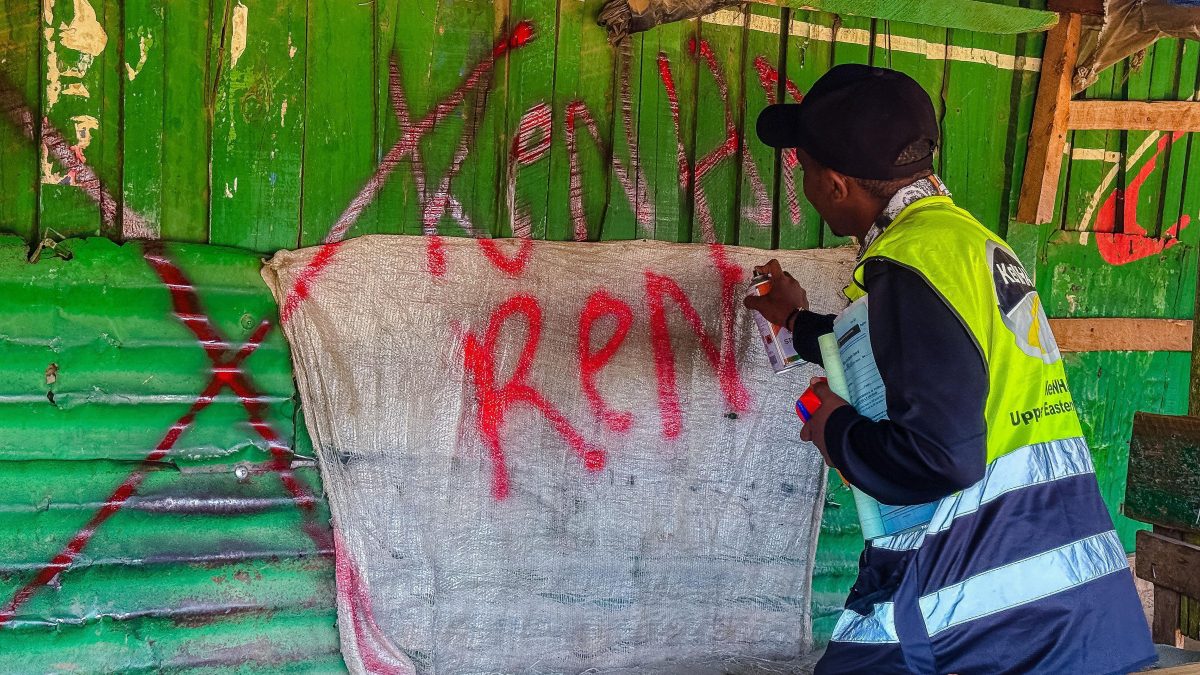
Waking up to a giant red “X” or the word “REMOVE” spray-painted across your building wall can be alarming.
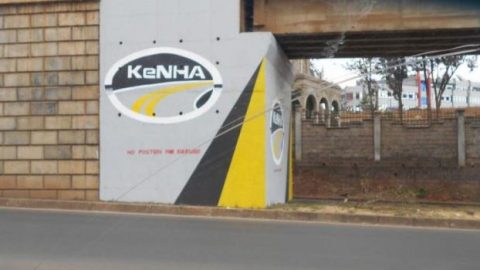
However, when officers from the Kenya National Highways Authority (KeNHA) leave that mark, it is not a casual warning or vandalism. It is an official statutory notice that your building, kiosk, or wall sits within a designated road reserve.
Enacted on July 23, 2007, the Kenya Roads Act establishes that road reserves are public land corridors set aside for transport infrastructure, traffic safety, and future highway expansions.
According to urban planning research, “Encroachment occurs when people use public lands for private activities without authorisation.”
What you are expected to do next
Once KeNHA tags a structure, the clock starts ticking immediately. The marking serves as a formal legal notice requiring the owner or occupant to vacate and clear the area within a specified statutory period, usually ranging between 14 and 30 days.
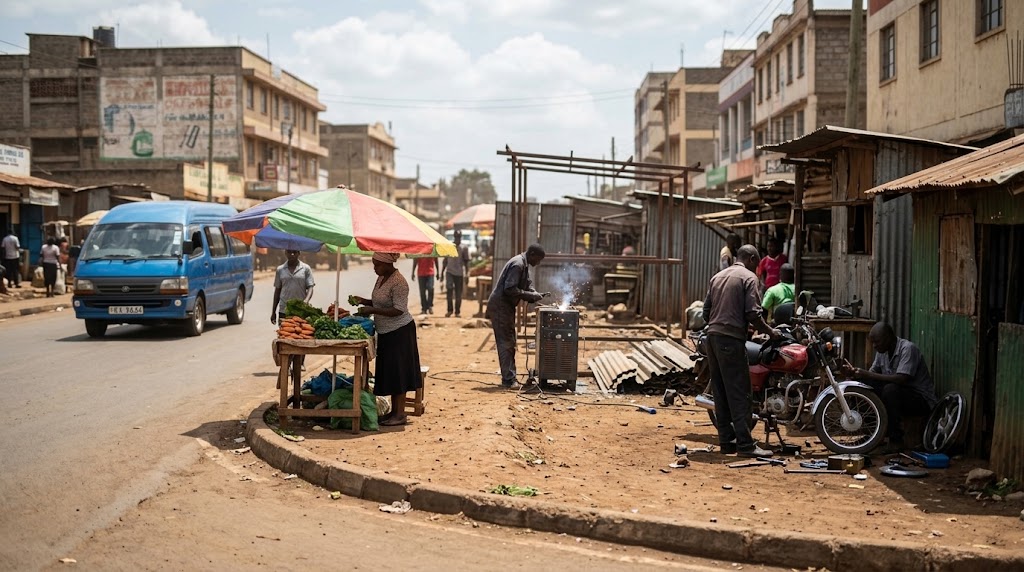
During this window, structure owners are expected to voluntarily demolish their developments, salvage valuable construction materials, and clear their personal belongings.
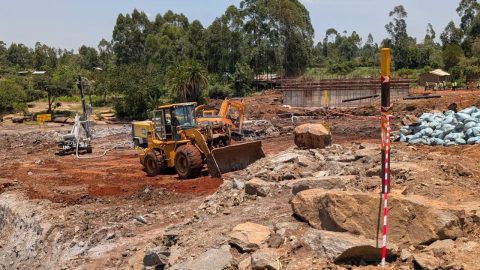
If you choose to ignore the red paint, KeNHA will not negotiate. Once the notice period expires, enforcement teams accompanied by police officers arrive with heavy machinery to pull down the structure.
Voluntary removal saves you money and preserves building materials that can be reused elsewhere, whereas forced demolitions often result in total destruction of property.
Fines, costs, and legal consequences
Ignoring the warning brings heavy financial and legal troubles. Section 49 of the Kenya Roads Act 2007 empowers road authorities to recover the full cost of demolition directly from the property owner if they fail to clear the site themselves.
That means after losing your structure, you will still receive a bill for the bulldozers and personnel hired to tear it down.
Beyond covering demolition bills, building within a road reserve is a criminal offence under Kenyan law. Convicted offenders face a fine of up to Ksh100,000, a jail term of up to one year, or both.
Additionally, national agencies offer zero compensation for developments erected on road reserves, regardless of how long the structure has stood.
Property buyers across Kenya should always verify boundary lines with a registered surveyor before purchasing land or starting construction.