Advertisement
What it takes to turn your home into an Airbnb in Nairobi
27th September, 2026 03:39 PM
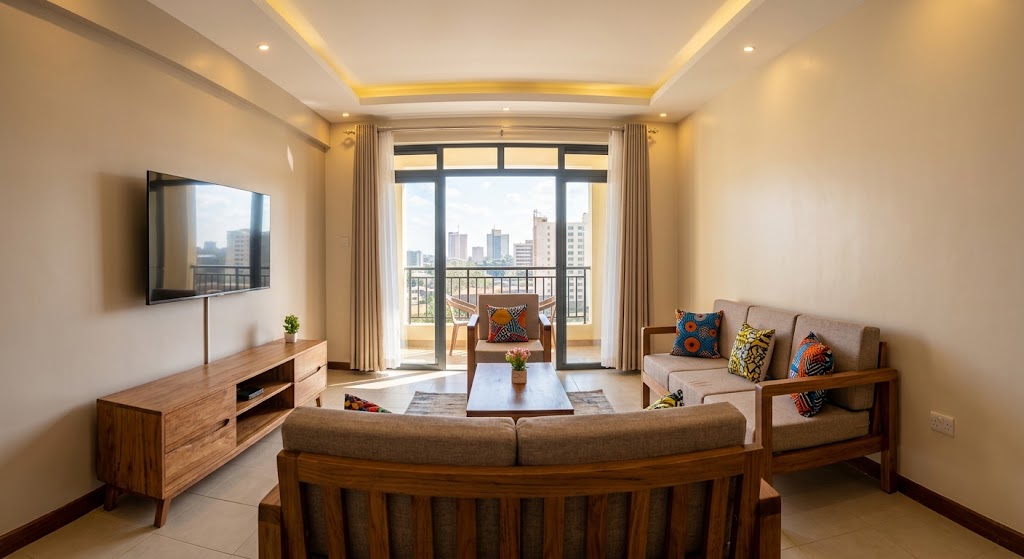
Listing a vacant apartment or spare room on Airbnb sounds like an effortless path to extra income. Across Nairobi estates such as Kilimani, Westlands, and Roysambu, short-term rentals have expanded rapidly.
However, standing out in a crowded market requires careful planning, legal compliance, and substantial upfront investment.
Legal compliance and initial setup costs
Before welcoming your first guest, you must clear administrative requirements. The government mandates that hosts register with the Tourism Regulatory Authority (TRA).
This process involves a Ksh1,000 application fee alongside an annual licence fee of Ksh26,000 for serviced apartments or Ksh11,000 for standard homestays.
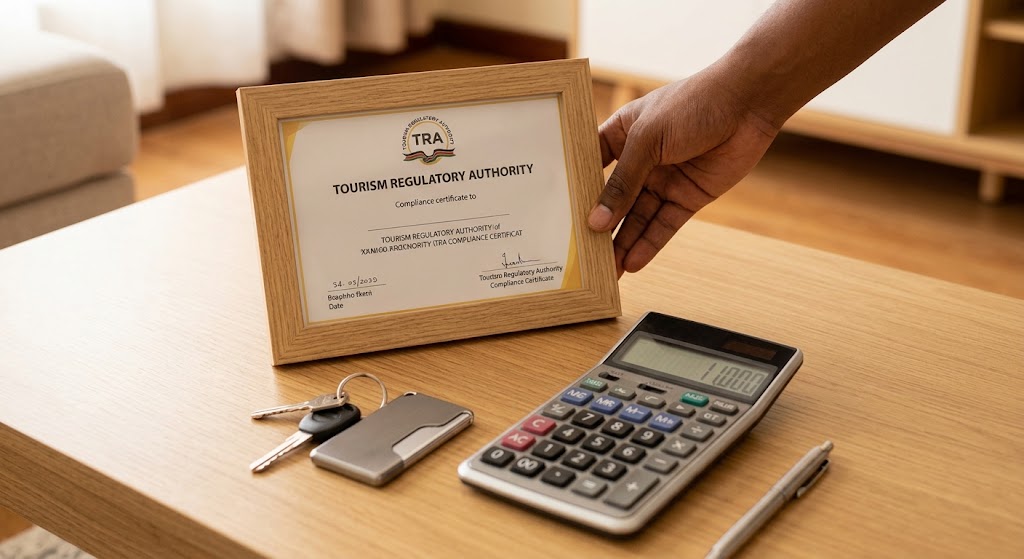
You also need a Single Business Permit from Nairobi City County, which costs around Ksh10,000 annually, and valid property insurance.
Furnishing the space accounts for the largest initial expense.
Guests expect reliable high-speed internet, smart televisions, quality bedding, kitchen amenities, and consistent hot water. Outfitting a standard one-bedroom apartment in Nairobi to an acceptable standard typically costs between Ksh150,000 and Ksh300,000.
Cutting corners on basic decor or appliances often leads to poor guest reviews, which quickly lowers listing visibility on booking platforms.
Operational expenses, realistic earnings
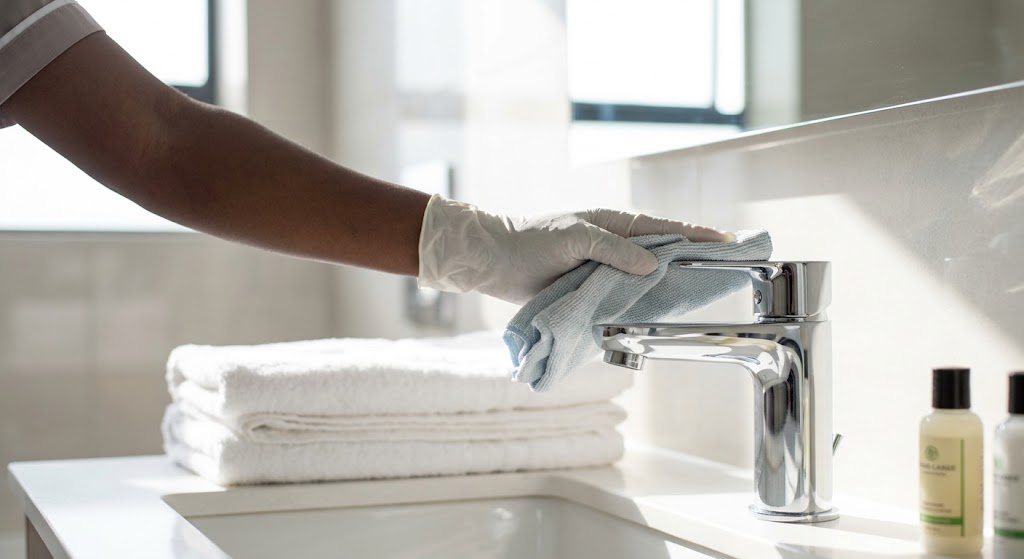
Operating a short-term rental introduces recurring overheads that long-term tenants usually cover themselves. Hosts pay for internet, electricity, water, service charges, frequent cleaning, and guest toiletries.
High running costs can quickly reduce profit margins if not monitored closely.
In a 2024 study on Kenya’s short-term rental market, researchers at the Kenya Institute for Public Policy Research and Analysis noted that “the critical challenges in the plausible future of short-term rentals (STRs) were found to be cyber security attacks, insecurity, competition from numerous listings on online platforms, and financial burdens to STRs investors due to high operation costs.”
Pricing requires an accurate understanding of current market rates. A decorated one-bedroom unit in Nairobi typically commands between Ksh3,000 and Ksh6,000 per night, depending on location and estate security.
However, expecting full monthly occupancy is unrealistic. Average occupancy rates across the city hover between 40 per cent and 60 per cent. A unit charging Ksh4,000 per night at 50 per cent occupancy brings in roughly Ksh60,000 gross monthly revenue.
After deducting platform fees, cleaning, utility bills, and maintenance, net profit is modest but steady. Short-term rentals can yield solid returns, but success requires active day-to-day management.