Advertisement
World Alzheimer’s Day: Simple home adjustments that make living with dementia easier
21st September, 2026 04:03 PM

Caring for a family member living with Alzheimer’s disease often begins with small, practical adjustments around the house.
On World Alzheimer’s Day, observed on September 21, 2026, health experts remind families that the home environment plays a direct role in how well a loved one manages daily tasks.
Thoughtful modifications can significantly lower confusion, prevent fall injuries, and give caregivers much-needed peace of mind.
Make spaces safe and easy to navigate
As Alzheimer’s progresses, spatial perception and memory gradually decline. Highly patterned carpets or dark floor mats often look like deep holes or obstacles to someone with cognitive impairment, causing hesitation or sudden falls.
Replace dark mats with plain, light-coloured flooring to create a clear, predictable walking path. Proper lighting is equally important in hallways, staircases, and bathrooms.
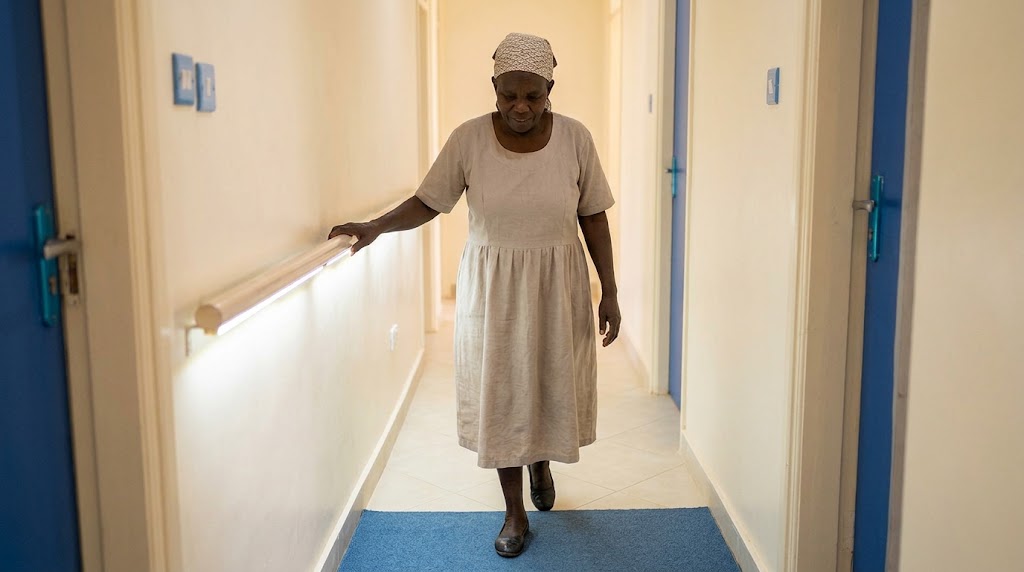
Fitting bright LED bulbs or plug-in nightlights eliminates harsh shadows that cause disorientation during late hours.
Peer-reviewed research published in the National Center for Biotechnology Information highlights how thoughtful interior layout directly affects patient well-being.
The authors noted that “the role that the built environment plays in supporting people with dementia can be either therapeutic or debilitating: it can be a home for compensatory strategies designed to bypass the cognitive impairment caused by the disease or a barrier for their independent functioning.”
Reducing clutter and visual noise
Cluttered rooms create visual noise, making everyday items hard to locate. Keep kitchen counters and tables tidy to help patients focus on basic routines like eating meals or drinking water.
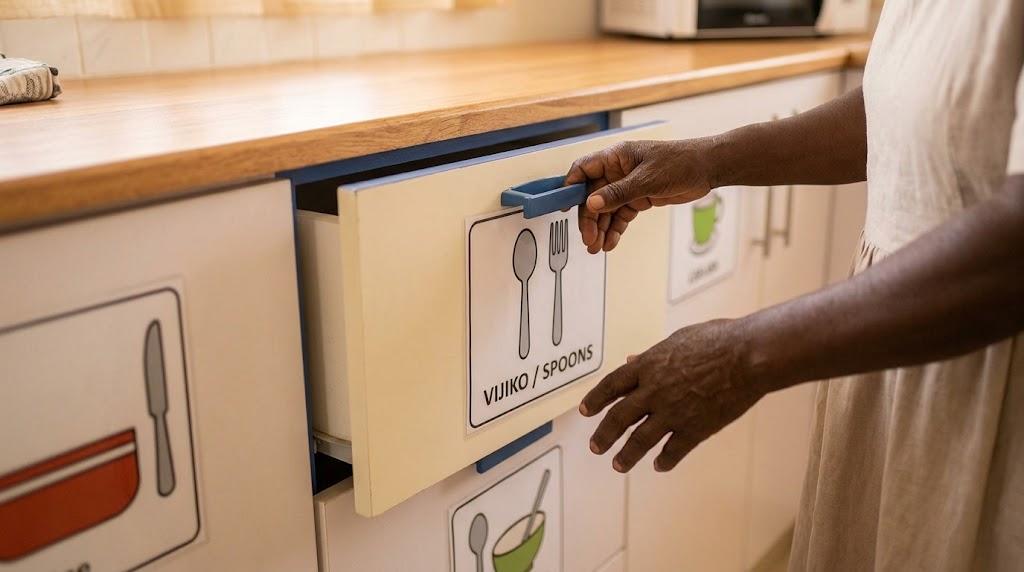
Labelling drawers and doors with simple words or picture signs offers clear visual guidance. Placing bold, contrasting colours on toilet seats, door handles, or light switches also makes these essential items much easier to spot against plain walls.
Securing hazardous household items remains a top priority. Cleaning products, sharp tools, and daily medications must stay locked away in cupboards.
Inexpensive cabinet latches, similar to those used for child safety, prevent accidental ingestion while preserving a calm, normal home atmosphere.
These steps do not require costly renovations, yet they preserve dignity, independence, and safety for everyone in the household.