Advertisement
World Alzheimer’s Day: How to deal with caregiver fatigue when caring for affected loved one
21st September, 2026 02:53 PM
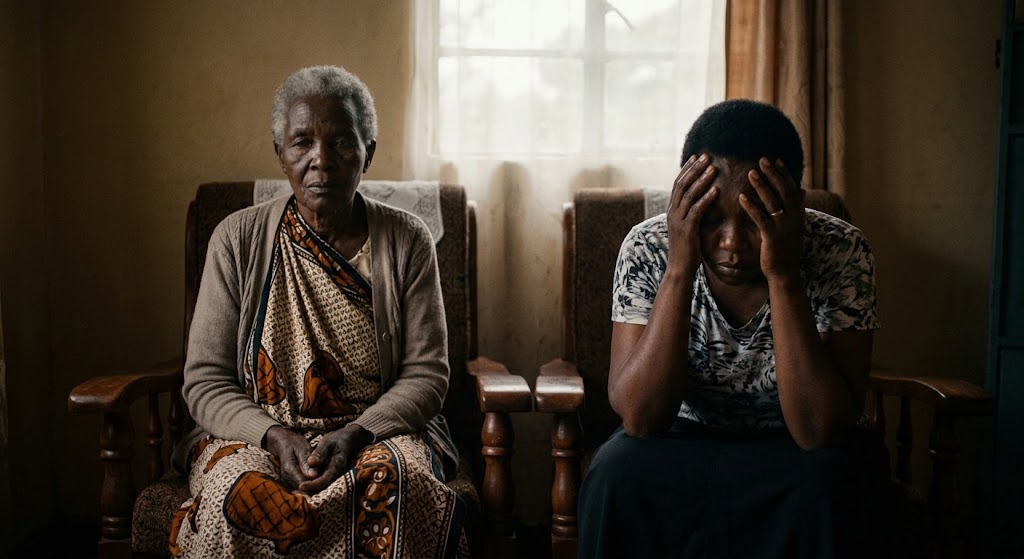
Looking after an ageing parent or relative living with memory loss is a profound act of love, but it also takes a heavy physical and emotional toll.
Every year on September 21, World Alzheimer’s Day highlights the daily experiences of millions of families living with dementia worldwide.
Across Kenya, family members serve as the primary carers for elderly relatives. When daily responsibilities turn into sleepless nights of constant supervision, primary carers frequently experience severe physical fatigue, emotional burnout, and isolation.
Establish rotational schedules and protect your mental health
Caregiver fatigue rarely happens overnight. It creeps in when a single individual carries the entire weight of daily care without relief. Sharing tasks across the extended family is essential for long-term health and stability.
Setting up a rotational care schedule allows siblings, adult children, or relatives to swap shifts on specific days. This structured arrangement gives the main carer predictable periods to sleep, attend to personal matters, or simply rest.
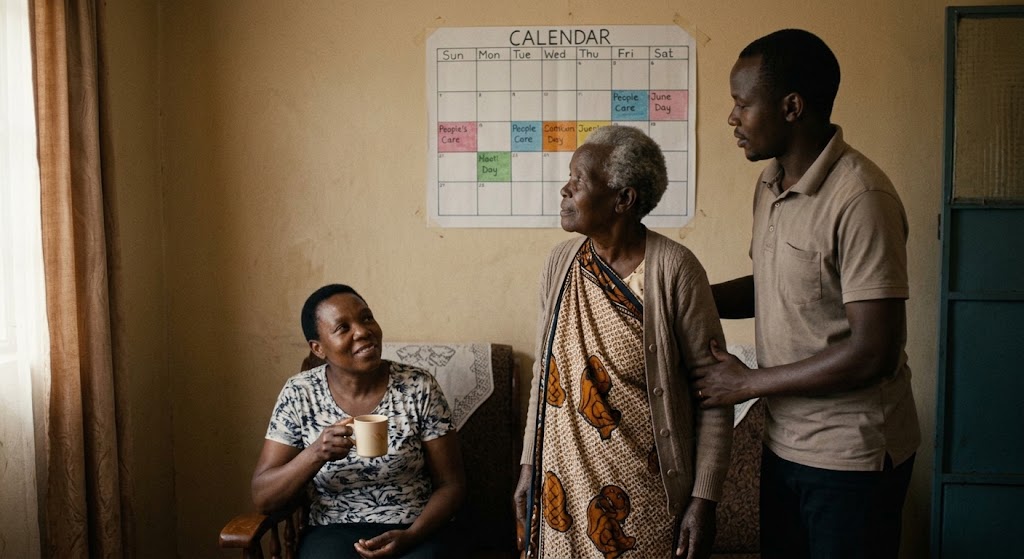
Be sure to take time away from caregiving duties. Peer-reviewed research confirms that “the overload observed in informal care has implications for caregiver health, which reduces the quality of care.”
Carers must protect their mental health by establishing clear personal boundaries, maintaining regular physical movement, and seeking professional counselling when emotional stress becomes difficult to manage alone.
Connect with local support networks
No family needs to manage dementia care in isolation. Joining a community of individuals who understand the daily realities of memory loss provides valuable emotional comfort.

In Kenya, some non-profit organisations offer caregiver training programmes, educational materials, and local support groups tailored for families managing cognitive decline.
These local networks connect carers with peer support groups where members share advice on managing Alzheimer’s-related behavioural changes, sourcing home medical supplies, and handling emotional grief.
Participating in support group sessions gives carers a safe space to share their experiences without fear of judgment.
Plan ahead, share responsibilities among relatives, and make use of local community support to ensure that carers stay healthy while continuing to provide compassionate care.