Advertisement
30-second habits to improve your mood
15th September, 2026 11:13 PM

If you’re feeling overwhelmed, consider taking part in short simple “micropractices” to improve your wellbeing.
I’m on a video call with a researcher and I’m laughing uncontrollably. My face is screwed up and my belly hurts, but I don’t seem to be able to stop.
I’m speaking to Natalie Van der Wal, a researcher at Delft University of Technology in the Netherlands, and we are taking part in a short session of laughter yoga. Much like traditional yoga, it starts with a breathing exercise, after which you are guided into emitting a fake laugh. “After a while it often becomes a real laugh,” says Van der Wal.
From 05:00 meditation sessions to icy winter swims, modern self-care trends can be time consuming. But numerous studies now show that this doesn’t have to be the case. There’s growing evidence that short, simple activities can improve our mood, wellbeing and energy.
Eli Susman, author of Micropractice, argues that some can take as little as 30 seconds. These are “micropractices”. Here is a selection you can start right now.
Laughter yoga
Laughter yoga is all about initiating non-humorous laughter, which involves the laughing but not the joke.
Initially my fake giggles felt awkward, but that didn’t last long. Then after the laughter session, I felt much more jovial and happier. Our conversation flowed seamlessly. When I told Van der Wal this, she laughed some more. She explained that following a laughter yoga session, she often finds that it’s easier to form friendships with participants.
I felt surprisingly calm too. That’s backed up by evidence. In a large meta-analysis (a study of studies) Van der Wal found that non-humorous laughter is about twice as effective as humour-related laughter at reducing depression and anxiety.
Micro yoga
If laughing alone (or to a mirror) doesn’t tickle you, how about trying a mindful stretch, which Susman refers to as “micro yoga”.
This exercise is particularly useful for anyone who tends to spend time sitting behind a screen for hours on end. This simple yoga exercise can help to from being in the same position for prolong periods of time, Susman tells me. This is the hunched position we sometimes adopt when sitting in front of a s screen for a long period. As we speak, he guides me into a gentle stretch that eases the tension in my neck and makes me think more about my posture.
One study found that taking just 15 to 30 seconds to stretch every 15 minutes improved productivity by about 15%. While this isn’t yoga per se, other research suggests that when stretching is paired with deep breaths and mindfulness, it can be more effective at improving psychological distress. Mindful stretching breaks have also been shown to reduce burnout and medical errors.
If in doubt, seek a medical opinion before starting a new exercise regime. All stretching comes with inherent risks.
The technique: Interlace your fingers behind your back. As you inhale, extend your arms downwards and gently lift your chest. As you exhale, soften into the stretch. Hold for two to three slow breaths.
Slow breaths
If you are stressed or experiencing some anxiety, there’s abundant evidence that mindful breathing practices can help calm the nervous system.
Physiologically, taking slow deep breaths can reduce the fight or flight response as doing so activates the parasympathetic nervous system of the body, which is our “rest and digest” state. Breathing exercises have therefore also been found to reduce stress, depression and anxiety.
In one recent study, a team found that taking three slow deep breaths boosted the alpha waves in the brain, which are associated with calm and focussed attention, as well as theta waves, which are associated with deep relaxation.
Amit Kumar, a researcher at the University of Naples Federico II, Italy, led the research. He advises that we can use this technique as often as we feel necessary, in the office before a big meeting or at any point when our mind is racing too much. If we do this regularly throughout the day, it can help to prevent stress from accumulating and building up, he says.
However, Kumar suggests that those experiencing greater stress may want to do more than 30 seconds of breathwork.
The technique: Sit in a comfortable position and close your eyes. Take three slow deep breaths lasting about 10 seconds each with a longer exhale than inhale. Focus on the sensation of air entering and leaving your lungs. You can repeat this as many times as you like throughout the day.
Self-compassionate touch
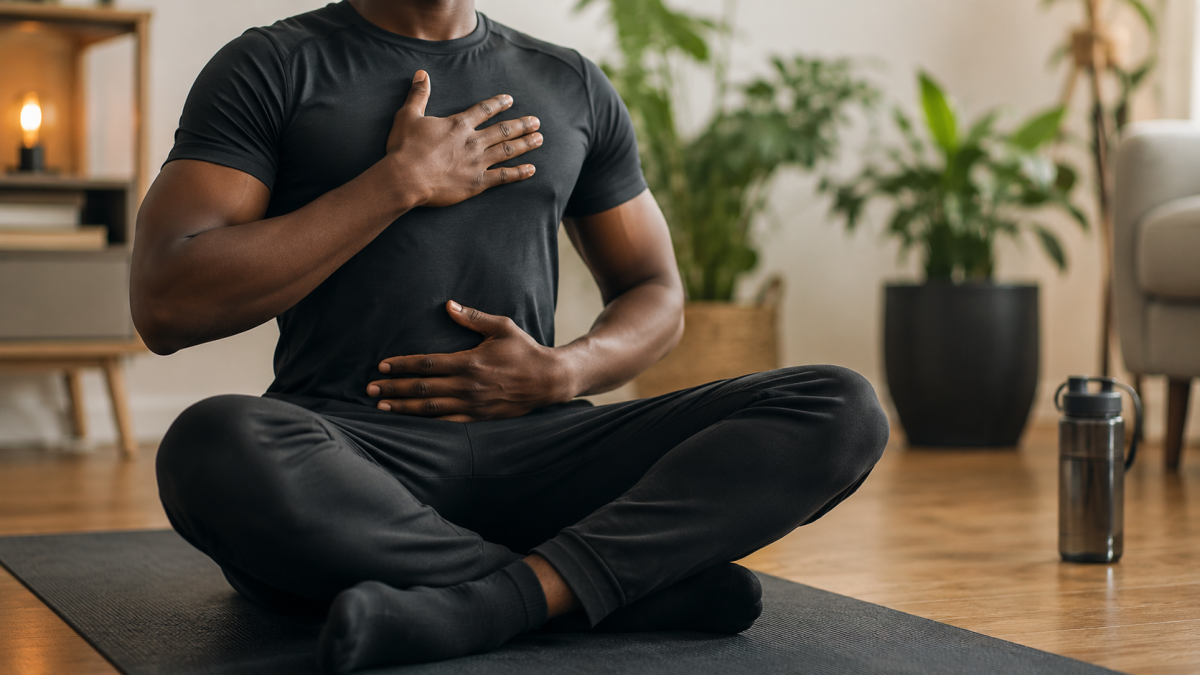
It’s long been understood that we benefit from touch. And while human touch is hard to replace, a study by Susman and colleagues has found that we can experience lasting benefits from a simple exercise of “self-soothing touch” in as little as 20 seconds.
In the study, participants placed their hands over their heart and belly while directing kind thoughts to themselves. Those who practiced it for only 20 seconds had significantly less of the stress hormone cortisol compared to the control group.
Sussman emphasises the importance of being compassionate to ourselves – something he thinks is underrated.
In a follow-up study published this week, Susman found that increasing the frequency of the practice was linked to even greater improvements in feelings of self-compassion six months later.
The technique: Place one or both hands gently over your chest or upper arms. Take a breath and focus on the warmth and gentle pressure of your hands while thinking kind thoughts about yourself.
Mindful living
Remember there’s no need to try every intervention but to find one that works as part of your lifestyle. “Try them out and see what fits,” advises Van der Wal. “The dose you need might be different for every person. Do what feels good.”
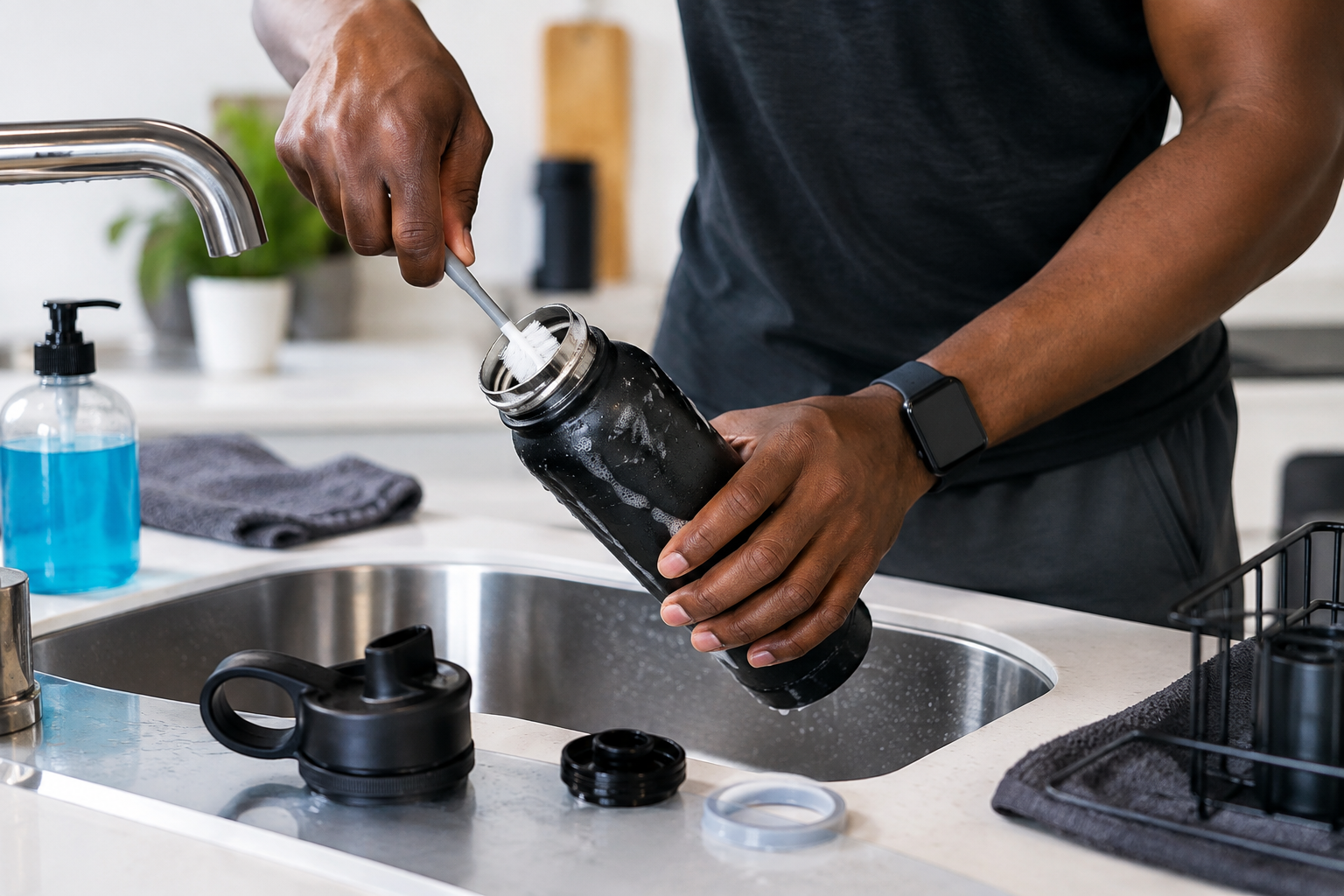
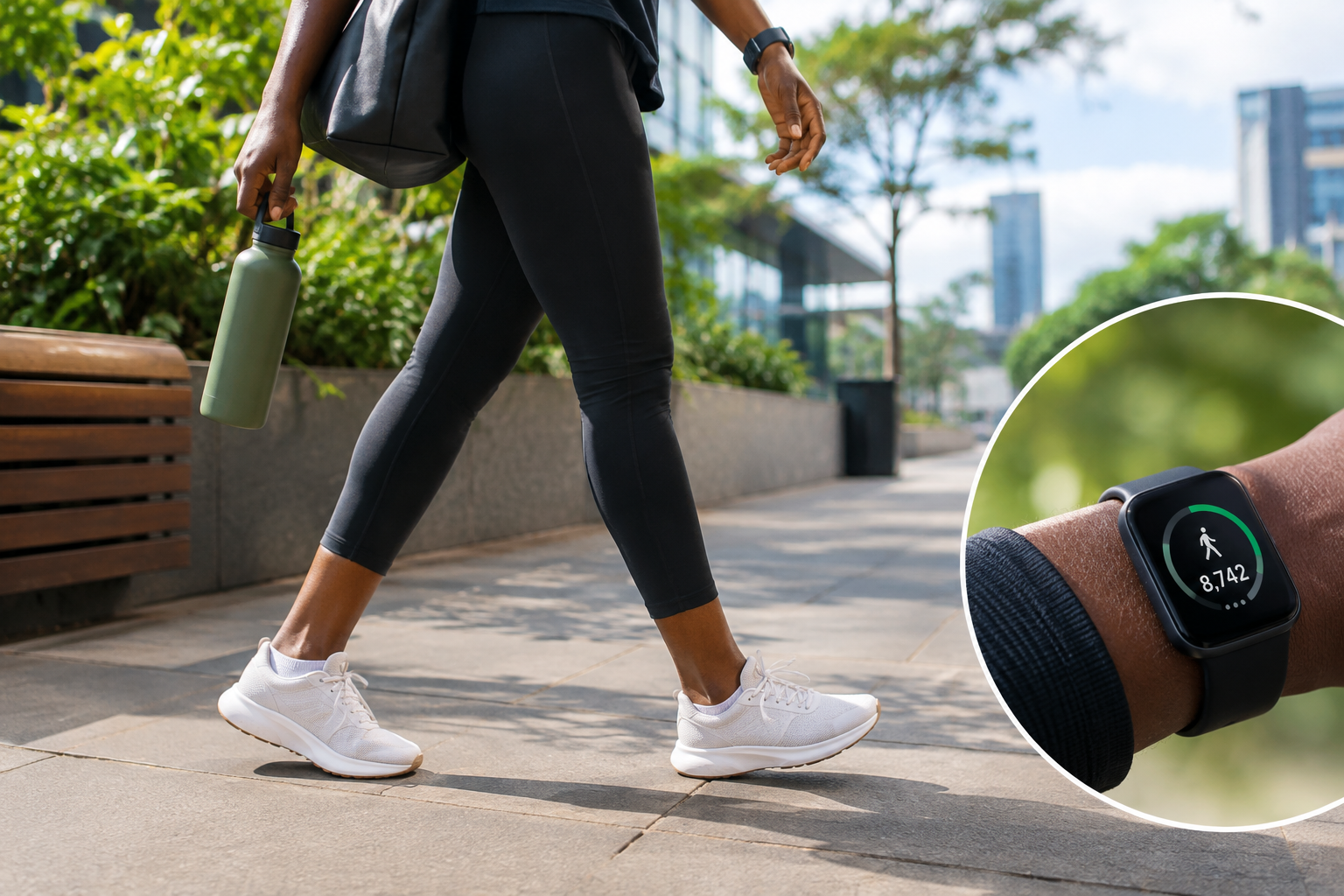
You may find that you can incorporate mindful breaks into everyday activities like walking, taking deep breaths while washing up. This will help improve your wellbeing and lower your stress in the process.
As for me, one practice I hope to continue with is laughter yoga. My belly still hasn’t quite recovered, and I feel all the better for it.