Advertisement
10,000 steps craze: Why you do not need to walk them all at once
15th September, 2026 11:20 PM
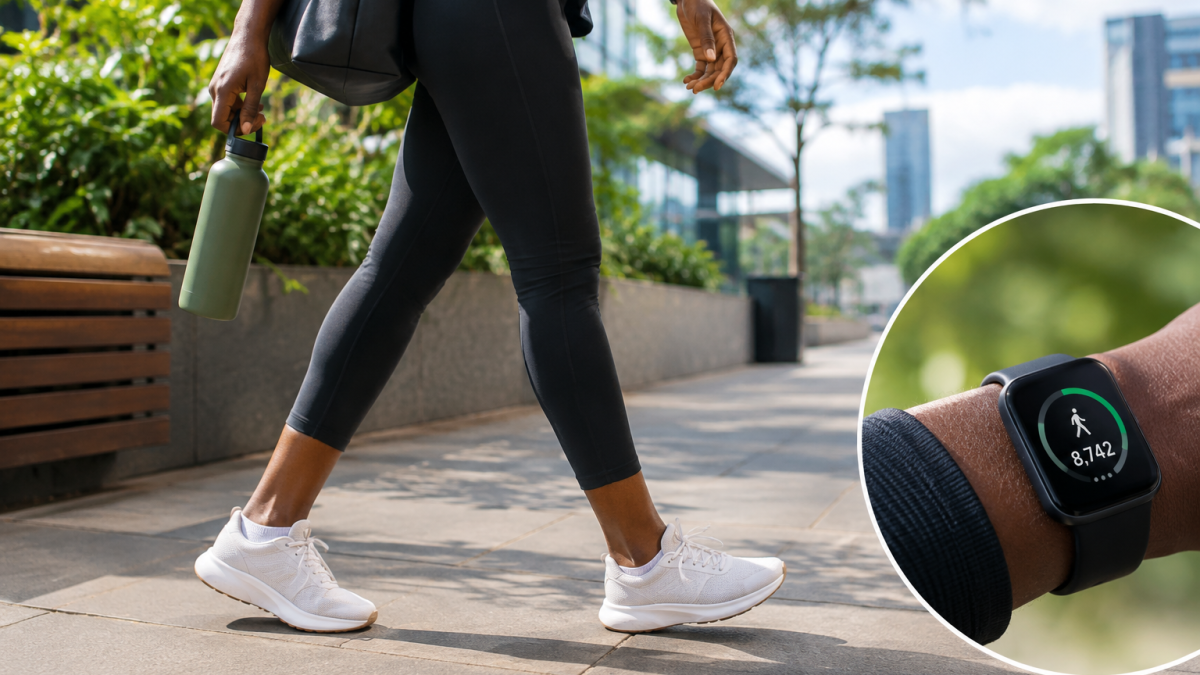
The modern fitness world has turned walking into a numbers game. Somewhere between the smartwatch, fitness app and social media post, simply taking a walk stopped being enough. Now there is a number to chase, a ring to close and, apparently, a small celebration waiting for you when your feet finally reach 10,000.
The famous 10,000-step target is not a medical rule that everyone must hit every day. In fact, the figure has limited scientific basis and was popularised partly through the marketing of a Japanese pedometer in the 1960s. Research has since found that health benefits are associated with increasing activity at different step levels, rather than suddenly appearing when the counter reaches 10,000.
More importantly, you do not need to take those steps in one long walk.
Let your steps collect naturally
Your daily step count is a total, not a single workout.
Walking to the bus stop, going upstairs, moving around the office, shopping, cleaning the house, walking to lunch and taking an evening stroll all contribute. Research has also found that incidental steps, rather than only deliberately planned walks, are associated with health benefits.
This is useful for people with busy schedules. You may not have an hour to walk around the neighbourhood after work, but you might have ten minutes in the morning, another ten at lunch and 20 minutes in the evening.
Those small walks add up.
Think of your steps like loose change. You do not need someone to hand you Sh1,000 in one note. A few coins here and there eventually make a useful amount.
Stop treating 10,000 as a pass-or-fail test
One of the biggest problems with step culture is the idea that 9,800 steps somehow means you failed while 10,000 means you nailed your fitness goals.
Your body does not know the difference.
Research has repeatedly challenged the idea that 10,000 is a magical number. A study of older women found that mortality rates were lower among women taking around 4,400 steps compared with those taking about 2,700, with the benefits increasing as steps rose before levelling off at around 7,500 steps.
A separate study involving middle-aged adults found lower mortality among those taking about 7,000 or more steps a day compared with people taking fewer than 7,000.
That does not mean everyone should suddenly aim for 4,400 or 7,000 steps and forget about movement. It simply shows that health is not waiting at the 10,000-step gate with a clipboard.
If you currently average 3,000 steps, moving to 4,000 or 5,000 is progress.
Break up long periods of sitting
You do not need to save all your walking for one dramatic evening session.
If you spend most of the day sitting at a desk, look for small opportunities to move. Stand up during breaks. Walk while taking a phone call. Use the stairs when practical. Walk to get water. Take a short walk during lunch instead of spending the entire break in the same chair.
These little movements are particularly useful because they interrupt long stretches of inactivity.
The US physical activity guidelines do not prescribe 10,000 steps as a requirement. They focus on getting regular moderate or vigorous physical activity, with brisk walking being one way to achieve it. Step counters can be useful for tracking movement, but the number itself is not the entire fitness story.
Do not confuse more steps with better fitness
This is where the internet can make things unnecessarily complicated.
Someone posts 18,000 steps and suddenly you feel guilty about your 7,000. The next person posts 25,000, and now 18,000 looks ordinary.
Before long, walking has become another form of comparison.
But your fitness goals may require more than simply accumulating steps. Strength training, cardiovascular exercise, mobility, balance, recovery and adequate sleep all have their place.
Someone who walks 10,000 steps but never does resistance training is working on a different part of fitness from someone who walks 7,000 steps and lifts weights three times a week.
There is also no need to chase increasingly large numbers just because your watch makes them look impressive.
The 2025 systematic review found that around 7,000 daily steps was associated with meaningful improvements across several health outcomes, while 10,000 remains a perfectly reasonable target for people who enjoy it and can achieve it comfortably.
Build your steps into your actual life
The easiest step target is one you can live with.
Instead of deciding that you must somehow squeeze one enormous walk into an already packed day, divide your movement into manageable pieces.
You could walk for 10 minutes after breakfast, take another short walk during lunch, choose a longer route when running an errand and finish the day with an easy evening stroll.
You might reach 8,000 steps. You might reach 10,000. You might reach 6,500.
The important thing is that you moved.
And if you enjoy chasing 10,000 steps, there is nothing wrong with that. The number can be a useful reminder to get off the chair and move. The problem begins when the tracker starts controlling your mood, making you feel guilty for having a quieter day or convincing you that 12,000 steps is automatically better than 8,000.
Fitness should make your life bigger, not turn your smartwatch into your boss.
So take the stairs. Walk to the shop. Take a stroll after dinner. Move around the office. Go for that weekend walk. Let the steps accumulate naturally.
And if your watch says 9,742 at the end of the day, you are allowed to go to bed.