Advertisement
Caving as a fitness challenge: what it demands of your body
13th September, 2026 06:26 PM
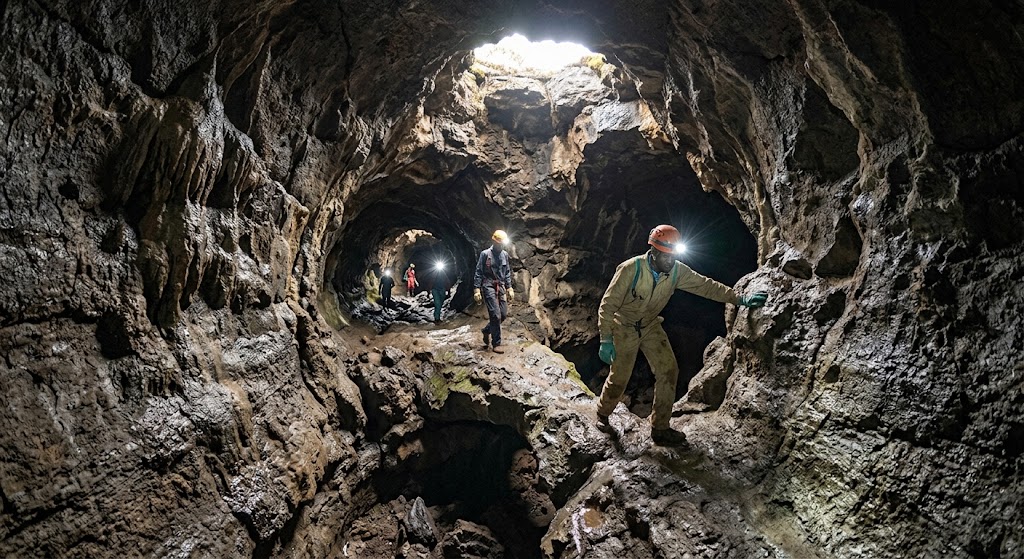
Caving looks like a walk with a torch, until you hit a gap the width of your shoulders or scramble over wet rock with no clear path out.
Kenya has real spots to try it, from the lava tubes of Mount Suswa in the Rift Valley to Karura Caves just outside Nairobi’s city centre.
Before booking a trip with a guide, it helps to know what the activity actually asks of your body.
It tests endurance, not strength
A 2017 study published in Frontiers in Physiology followed seventeen expert cavers and measured how their bodies worked during real cave sessions.
The trips lasted an average of 9.4 hours and covered a mean distance of 10.6 kilometres, yet the researchers found something surprising. Participants used only about 40 percent of their measured maximum oxygen uptake while underground.
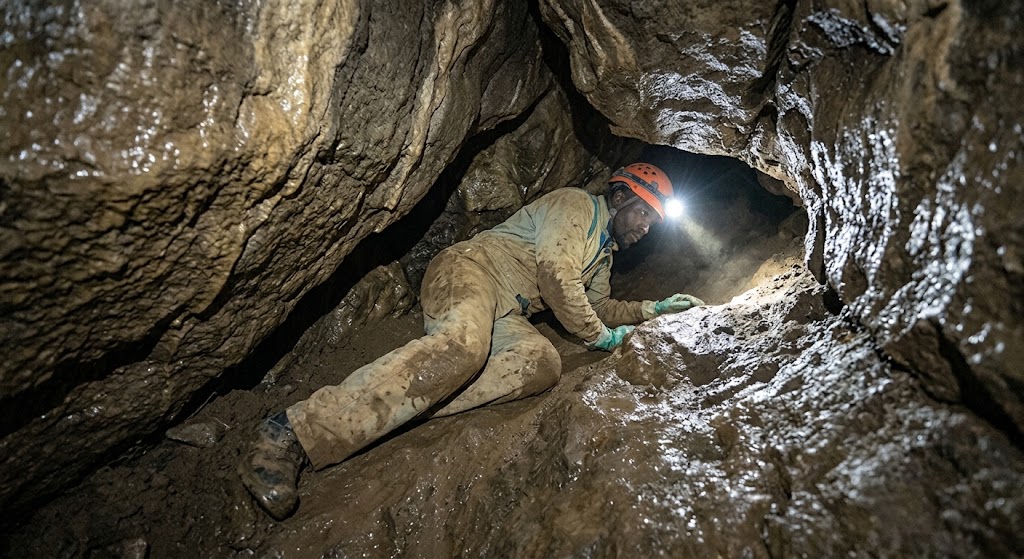
Their conclusion noted that “a high aerobic fitness is not needed by cavers.” What matters more is the ability to keep moving steadily for hours over uneven, low, and often slippery ground.
That does not make caving easy. Those same trips burned over 2,600 kilocalories in total, purely because of how long they run.
Add crouching, crawling, and climbing with no straight line to follow, and the strain on your legs, back, and grip becomes obvious long before you feel short of breath.
Getting your body ready
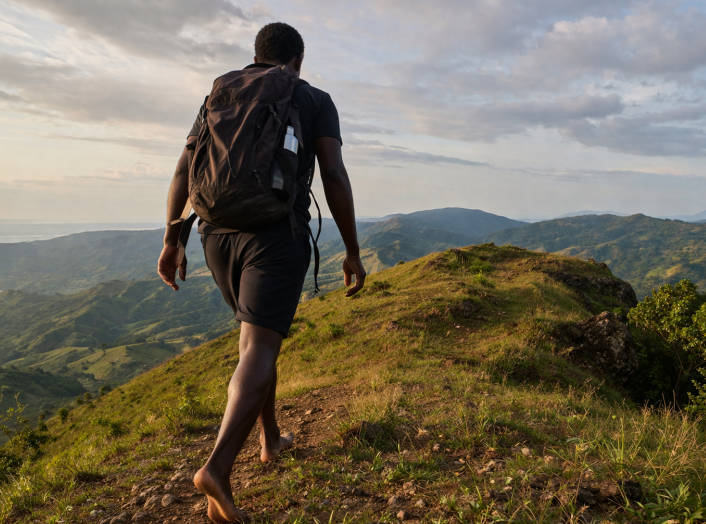
Anyone planning a caving trip in Kenya should train for stamina, not speed. Long, steady walks or hikes, ideally with a loaded backpack, build the kind of endurance caving actually needs.
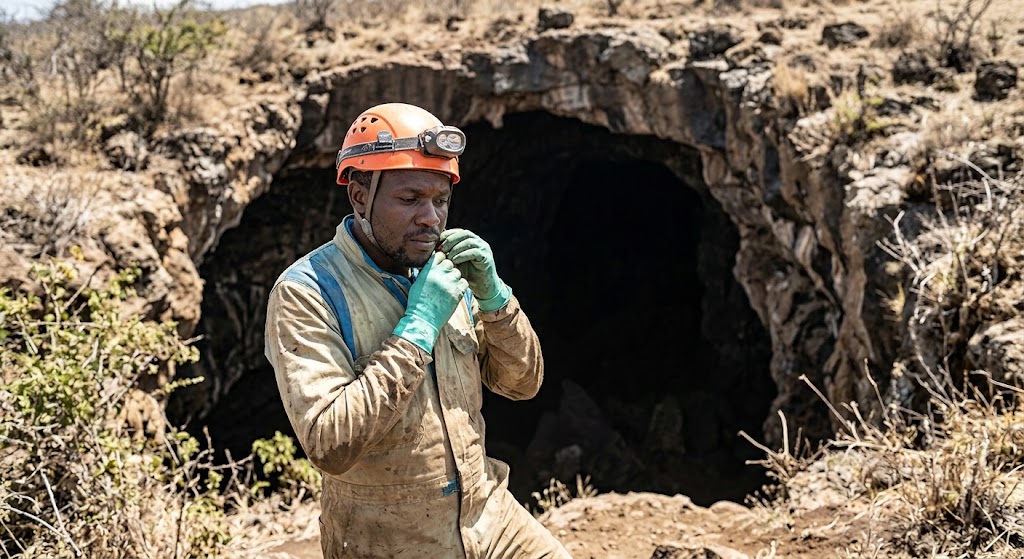
Core strength and flexibility matter too, since much of the movement underground involves twisting through narrow spaces rather than walking upright.
Local caving groups specialise in organising trips and can walk newcomers through what to expect and what to carry. A helmet, headlamp with spare batteries, sturdy boots, and gloves cover the basics for any lava tube or limestone cave.
At Mount Suswa Conservancy, guides provide climbing gear on site.
Caving rewards patience and steady effort more than fitness levels alone. Anyone reasonably active can handle a beginner route, as long as they respect how long it takes and how demanding the terrain gets once daylight disappears behind them.