Advertisement
5 health risks doctors watch for in quintuplet pregnancies
15th September, 2026 10:31 PM
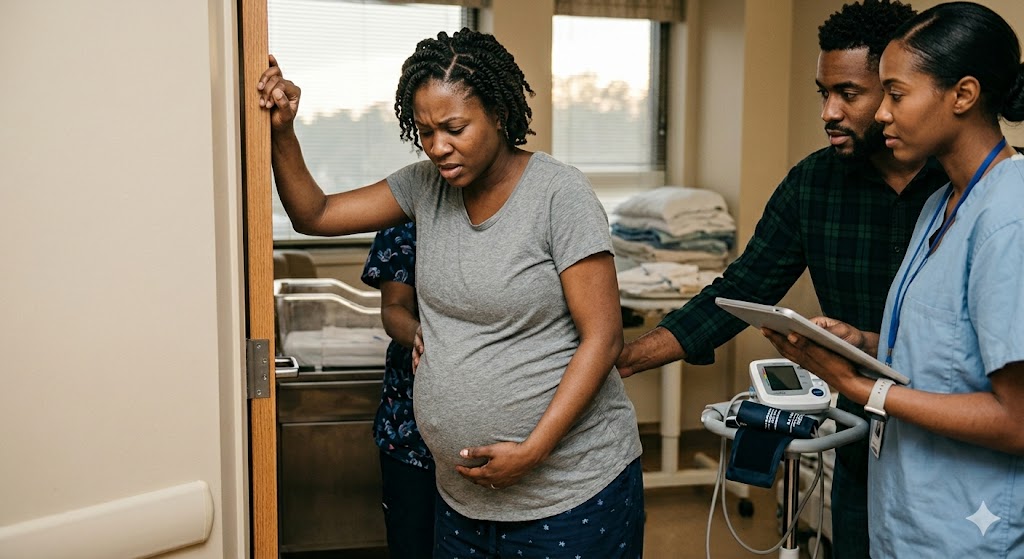
A pregnancy involving five babies is considered a high-risk pregnancy and requires close medical monitoring from the early stages.
While multiple pregnancies can result in healthy babies, carrying quintuplets places extra demands on the mother’s body and increases the chances of complications.
Doctors closely monitor the mother and babies throughout the pregnancy to identify problems early and decide when and how delivery should happen.
Here are five health risks doctors watch for in quintuplet pregnancies.
1. Premature birth
One of the biggest concerns in a pregnancy involving five babies is premature birth.
The uterus has to accommodate several growing babies, making it difficult for the pregnancy to continue until full term. Babies born too early may have underdeveloped lungs and other organs and may need specialised care in a neonatal unit.
Doctors therefore monitor the pregnancy closely for signs that labour could begin early.
2. High blood pressure
Multiple pregnancies increase the risk of pregnancy-related high blood pressure, including pre-eclampsia.
Pre-eclampsia can affect the mother’s organs and, in severe cases, become dangerous for both the mother and babies. Regular blood pressure checks and urine tests can help doctors identify warning signs early.
Symptoms such as severe headaches, changes in vision, sudden swelling or pain in the upper abdomen should be assessed by a health professional.

3. Gestational diabetes
Carrying several babies can increase the body’s demand for insulin, raising the risk of gestational diabetes.
The condition occurs when blood sugar levels become too high during pregnancy. If it is not properly managed, it can increase the risk of complications for both the mother and babies.
Doctors may recommend blood sugar testing, dietary changes and treatment where necessary.
4. Anaemia
A mother carrying quintuplets has increased nutritional demands, including a greater need for iron.
This can make anaemia a concern during pregnancy. Anaemia can leave the mother feeling unusually tired, weak or short of breath and, when severe, can increase pregnancy-related risks.
Doctors may monitor blood levels and recommend iron supplements and other nutritional support when needed.
5. Poor growth of the babies
Doctors also closely monitor whether each baby is growing as expected.
With several babies sharing the uterus, there can be differences in how much nutrition and blood flow each baby receives. Ultrasound scans can help doctors monitor the babies’ growth, movement, heart rates and blood flow.
Close monitoring allows doctors to identify babies who may need additional care and determine the safest time for delivery.
A quintuplet pregnancy requires specialised care because complications can develop quickly. Regular antenatal visits, ultrasound scans and other recommended tests help doctors protect the health of both the mother and babies throughout the pregnancy.