Advertisement
What childhood trauma can look like in everyday life
17th September, 2026 06:27 PM

Childhood trauma is often associated with major events such as abuse, neglect, the loss of a parent or exposure to violence. However, difficult experiences during childhood can affect people in different ways, and their effects are not always obvious.
For some adults, the impact may show up in everyday situations, relationships and reactions without them immediately connecting these experiences to their childhood.
Understanding these patterns does not mean diagnosing yourself. It can, however, help people recognise when they may need support.
Finding it difficult to trust people
A person who experienced betrayal, neglect or an unpredictable home environment as a child may find it difficult to trust others later in life.
They may constantly question people’s intentions or expect others to leave, disappoint or hurt them. Even when a relationship is healthy, they may struggle to feel completely secure.
Overreacting to conflict
Arguments can feel particularly overwhelming for someone who grew up around frequent shouting, threats or violence.
A raised voice, disagreement or tense conversation may trigger a strong emotional response. Some people may become extremely defensive, while others may immediately withdraw or try to end the conflict.
These reactions can sometimes be connected to earlier experiences in which conflict did not feel safe.
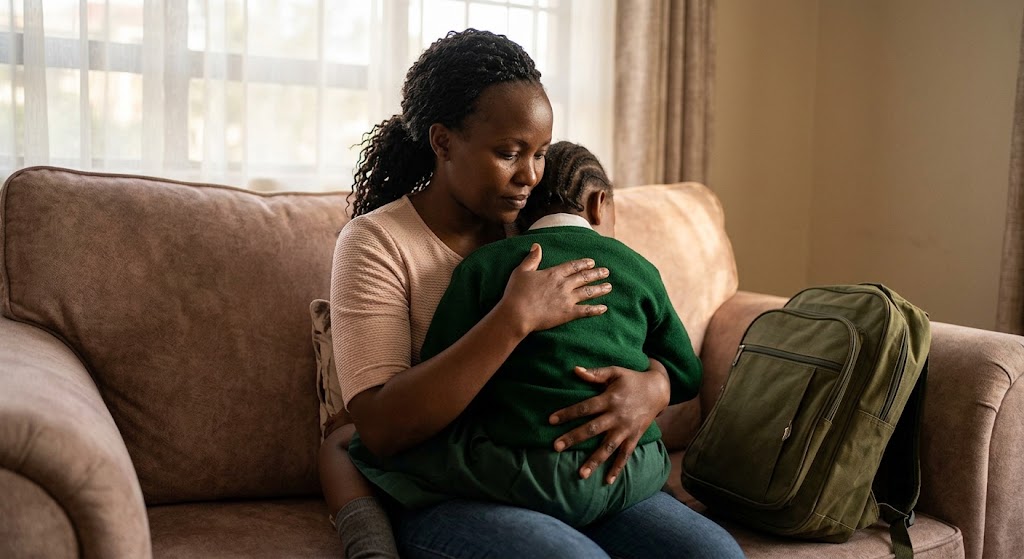
Struggling to set boundaries
Some people who grew up in environments where their needs were ignored may find it difficult to say no as adults.
They may agree to things they do not want to do, feel guilty when they prioritise themselves or worry excessively about disappointing others.
Learning that it is acceptable to have limits can be an important part of developing healthier relationships.
Being extremely independent
Independence is generally a positive quality, but sometimes a person may feel that they cannot rely on anyone.
Someone who had to deal with difficult situations without adequate support as a child may become uncomfortable asking for help. They may feel that they have to handle everything themselves, even when support is available.
This can make it difficult to accept care from friends, partners or family members.
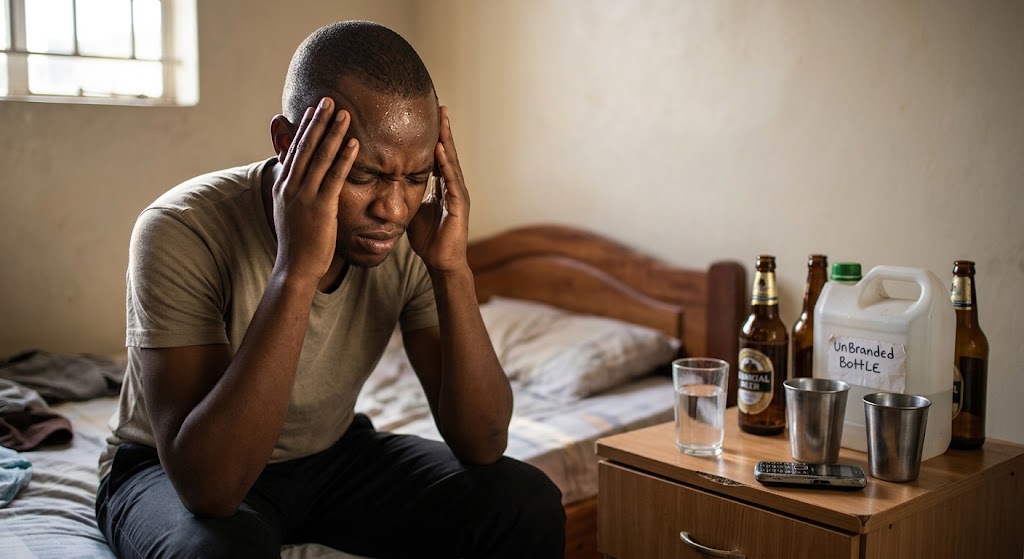
Struggling with self-worth
Childhood experiences can also influence how people see themselves.
Constant criticism, rejection, neglect or comparison may contribute to negative beliefs about one’s abilities or value. An adult may dismiss compliments, feel they are never good enough or constantly compare themselves with others.
These feelings can be difficult, but they do not define a person’s worth.
Childhood trauma does not affect everyone in the same way, and these behaviours can have many possible causes. Experiencing one or more of them does not automatically mean someone has childhood trauma.
For people who recognise themselves in these patterns and find that they interfere with daily life or relationships, speaking with a qualified mental health professional can provide a safe place to understand what they are experiencing and explore appropriate support.