Advertisement
Healing after trauma: Why recovery takes more than time alone
07th August, 2026 07:11 PM

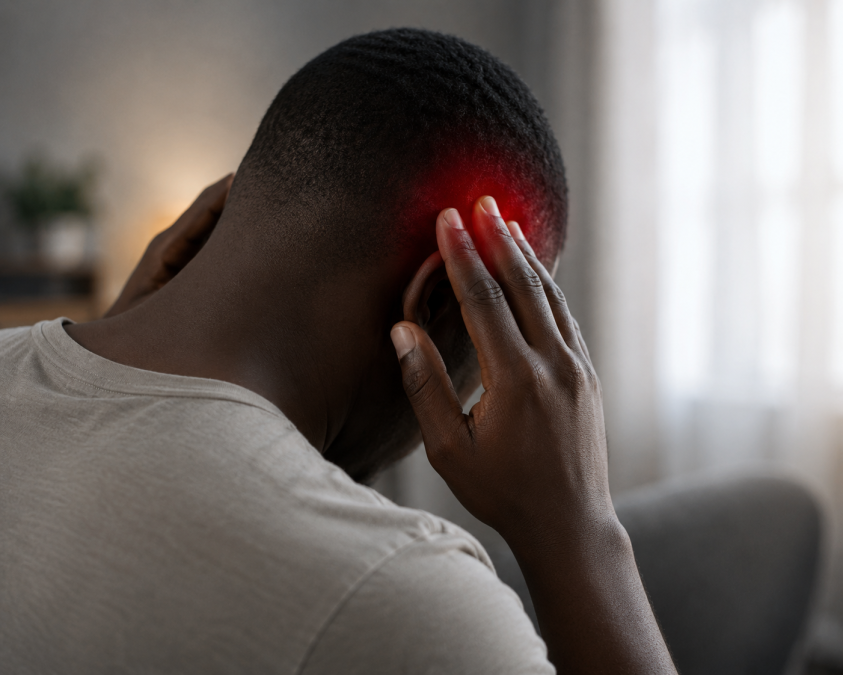
Experiencing a deeply distressing event leaves lasting marks on both the mind and body. Many people grow up hearing that time heals all wounds, but psychological recovery rarely works that way.
While time allows the initial shock to fade, unaddressed trauma often stays buried beneath the surface, showing up later as anxiety, unexplained anger, or chronic physical exhaustion.
Trauma alters how the brain processes stress, safety, and relationships. Leaving a painful experience to resolve itself without active care is like leaving a broken bone to set on its own.
It may mend eventually, but it often heals incorrectly, causing long-term pain and restricting movement. True recovery requires intentional steps, steady support, and practical coping mechanisms.
Steps to build sustainable emotional healing
Recognising the impact of past events is the first real step towards recovery. Trauma isolates individuals, making them feel misunderstood or overwhelmed by daily life. Reaching out to trusted friends, family, or professional counsellors creates a safe space to process difficult emotions.
Professional mental health services across Kenya are increasingly accessible through public facilities and community support groups.
Beyond therapy, daily lifestyle habits play a major role in restoring emotional stability. Regular physical movement, adequate sleep, and grounding exercises like deep breathing help calm an overactive nervous system.
Healing is not a linear journey, and bad days do not mean a lack of progress. Replacing self-judgment with patience allows individuals to rebuild their lives at a safe pace.
By moving past the myth that time fixes everything, individuals and families can take proactive steps toward genuine, lasting peace of mind.
Age at the time of trauma
One crucial factor in why some people recover faster than others is their age when the trauma occurred. Children’s brains and nervous systems are still developing, so when trauma strikes early in life, the younger the child, the deeper and more lasting the impact can be.
In contrast, a fully grown adult with a mature nervous system is affected differently by the same event. Therefore, an adult can recover more quickly.
Additionally, an adult has the knowledge and life experience to react and respond effectively in many situations, whereas a child naturally feels overwhelmed and scared because they cannot defend themselves physically and lack that experience.
Consequently, the same event is far more traumatising for a child than for an adult.