Advertisement
Feeling stuck? 5 tips for sitting on the toilet when you are constipated
25th September, 2026 03:46 PM
Constipation can turn an ordinary visit to the toilet into an uncomfortable waiting game. You sit down, wait for something to happen, adjust your position and try again, only to leave feeling as though your stomach is still holding a meeting without your permission. Hard stools, bloating and the constant urge to go without success can make the experience even more frustrating.
While constipation can have several causes, including a lack of fibre, dehydration and reduced physical activity, the way you sit on the toilet can also make a difference. A simple change in posture may help your body pass stool more comfortably and reduce the need to strain.
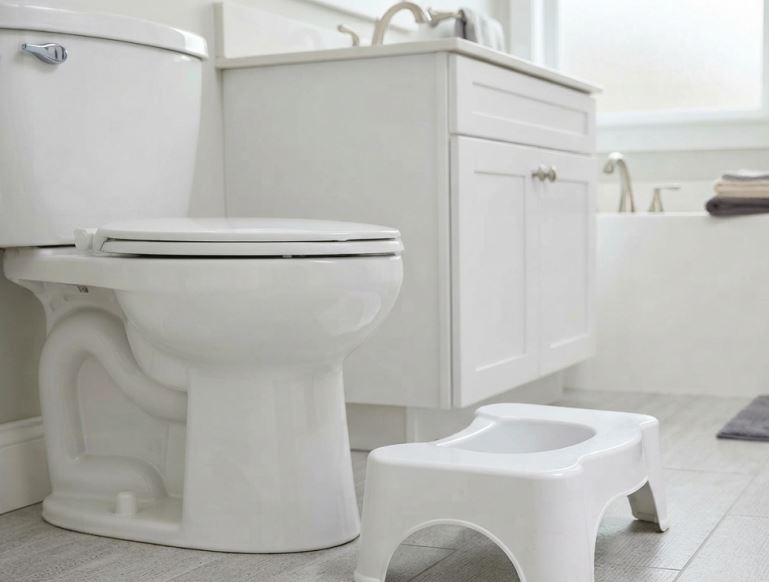
The recommended position is a supported squat, where your knees are raised slightly above your hips, your feet rest on a small stool and your upper body leans forward. This position helps relax the muscles involved in bowel movements and may make it easier to pass stool.
Here are five tips to help you sit more comfortably on the toilet when constipation strikes.
Raise your knees above your hips
If you usually sit upright on the toilet with your feet flat on the floor, you may want to try a different position. Placing a small footstool beneath your feet raises your knees above your hips, creating a posture that resembles a squat.
This position changes the angle between the rectum and the anus, potentially making it easier for stool to pass through. When you sit with your knees lower than your hips, the muscles around the rectum may maintain a bend that makes emptying the bowel more difficult.
You do not need an expensive bathroom accessory to achieve this position. A sturdy, low stool that allows both feet to rest comfortably is enough. Make sure it is stable and does not slide across the floor when you move.
The goal is to create a comfortable position that allows your body to work with you rather than making an already difficult bathroom visit more frustrating.
Lean forward and keep your back straight
Once your feet are supported and your knees are raised, lean forward slightly while keeping your back straight.
Rest your forearms or elbows on your thighs and allow your stomach to relax. This position can help you maintain a comfortable posture while encouraging the muscles involved in bowel movements to work together.
Avoid leaning too far forward or curling your back into a tight ball. You should feel supported rather than cramped.
Think of it as a gentle forward lean, not an attempt to inspect the bathroom floor. Your shoulders should remain relaxed, and your stomach should have enough room to expand naturally as you breathe.
According to bowel-health guidance from healthcare professionals, this posture, combined with raised knees, can help make bowel movements easier and reduce unnecessary straining.
Relax your stomach and breathe slowly
When stool refuses to move, the natural reaction is often to hold your breath and push harder. Unfortunately, this can increase pressure around the pelvic floor and make passing stool more difficult.
Instead, focus on slow, relaxed breathing.
Breathe in gently through your nose, allowing your stomach to expand. As you breathe out, let your abdominal muscles relax and avoid clenching your buttocks or tightening the muscles around your anus.
You can also breathe out slowly through your mouth, as though you are gently blowing out a candle. This encourages a more controlled effort rather than forceful pushing.
The idea is to allow the muscles around the back passage to relax while your abdominal muscles provide gentle pressure.
If nothing happens after a few attempts, do not turn the toilet into a weightlifting session. Excessive straining can contribute to haemorrhoids, also known as piles, and small tears around the anus.
Give yourself time, but avoid sitting too long
Constipation can make you feel as though you need to remain on the toilet until something finally happens. However, spending a long time sitting and repeatedly pushing is unlikely to solve the problem.
Give yourself a few minutes to relax and allow your body to respond naturally. Around five to ten minutes is generally enough for a toilet visit.
If you cannot pass stool, get up and try again later when you feel the urge. Sitting for extended periods, particularly while straining, can increase pressure on the veins around the anus and contribute to haemorrhoids.
It may also help to establish a regular bathroom routine. Some people find it easier to have a bowel movement after breakfast because eating stimulates movement in the digestive tract.
When the urge comes, try not to postpone it unnecessarily. Ignoring the urge repeatedly can allow stool to remain in the colon longer, where more water is absorbed, making it harder and drier.
Combine the right position with healthy bowel habits
Although adjusting your toilet posture may help, it will not necessarily solve constipation on its own. If your stool is hard and dry, you may need to make other changes to support regular bowel movements.
Start by drinking enough water throughout the day. Fluids help soften stool, making it easier to pass.
You should also gradually increase your intake of fibre-rich foods such as vegetables, fruits, whole grains, beans and oats. Fibre adds bulk to stool and supports regular bowel movements, although increasing it too quickly can cause gas and bloating.
Regular physical activity, including walking, may also help stimulate bowel movement. Even a short walk around your neighbourhood can be a useful addition to your routine.
If constipation continues despite these changes, speak to a pharmacist or healthcare professional about possible treatments, including laxatives.
Seek urgent medical attention if constipation is accompanied by severe or persistent abdominal pain, vomiting, a swollen abdomen or an inability to pass gas. Blood in your stool or unexplained weight loss also warrants medical assessment.