Advertisement
5 things you should know before using a tongue scraper
25th September, 2026 05:10 PM
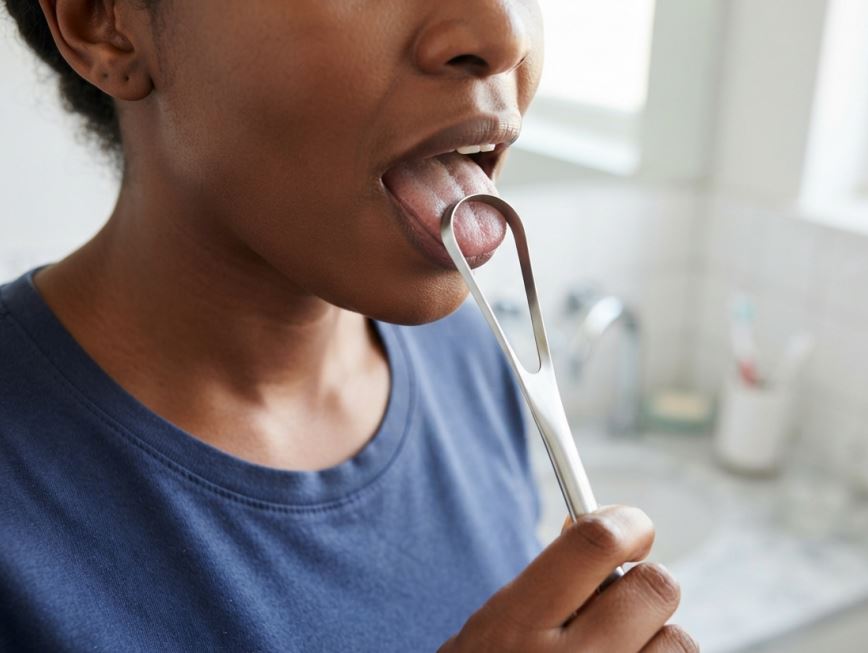
Brushing your teeth, flossing and rinsing your mouth are familiar parts of a daily hygiene routine, but how much attention do you give your tongue? If you have ever looked in the mirror and noticed a white coating on its surface, you may have wondered whether your regular toothbrush is doing enough.
Tongue scraping has become an increasingly popular addition to oral care routines, with people using small metal or plastic tools to remove the coating that builds up on the tongue. Some swear by the fresh, clean feeling it leaves behind, while others are still trying to figure out whether the extra step is worth the effort.
The tongue has a rough surface covered in tiny bumps called papillae, which help you taste and handle food. These little crevices can trap food particles, bacteria and dead cells, sometimes contributing to unpleasant breath. A tongue scraper is designed to remove some of this buildup, but using one requires a little care.
Before adding this tool to your bathroom shelf, here are five things you should know about tongue scraping and how to make it part of your oral hygiene routine.
Tongue scraping can help freshen your breath
If you brush your teeth regularly but still notice an unpleasant smell when you speak, your tongue could be contributing to the problem. Bacteria that collect on its surface can break down food particles and release compounds that produce an unpleasant odour.
A tongue scraper helps remove some of this coating, which may reduce bad breath and leave your mouth feeling cleaner. It can also help remove visible residue that makes the tongue appear white or coated.
However, scraping is not a magic solution for every type of bad breath. Odour can also come from gum disease, tooth decay, dry mouth and other conditions that require attention beyond cleaning the tongue.
The evidence on how much tongue scraping improves persistent bad breath is limited, so it is best viewed as an additional oral hygiene habit rather than a guaranteed cure. If unpleasant breath continues despite brushing, flossing and cleaning your tongue, a dental check-up can help identify the cause.
You need to use the scraper gently
The idea of scraping your tongue might sound straightforward, but the amount of pressure you apply matters. Your tongue is a sensitive muscle covered in delicate tissue, and pressing too hard can cause irritation, soreness or small injuries.
Start by standing in front of a mirror and sticking out your tongue comfortably. Place the scraper towards the back of your tongue, as far as you can manage without triggering your gag reflex, then gently pull it forward towards the tip.
Rinse the scraper after each pass to remove the coating before repeating the movement. A few gentle strokes across the surface are generally enough, so there is no need to keep scraping until your tongue looks unnaturally pink.
If you have a sensitive gag reflex, begin closer to the middle of your tongue and gradually work further back as you become more comfortable. The goal is to clean the surface, not to turn your morning routine into a wrestling match with your own mouth.
Stop if you experience pain or bleeding, and avoid scraping over cuts, sores or irritated areas.
Choosing the right scraper makes a difference
Tongue scrapers come in different shapes and materials, including stainless steel, copper and plastic. Some have a U-shaped design with handles on either side, while others resemble a small, rounded strip that you pull across the tongue.
Metal scrapers are often more durable and can last longer with proper care, while plastic versions may feel more flexible and comfortable for beginners. Neither material is automatically the right choice for everyone, so comfort and ease of cleaning should guide your decision.
When shopping for one, look for a scraper with smooth, rounded edges and a shape that allows you to reach the tongue without discomfort. Avoid tools with sharp edges, rough surfaces or damaged sections that could injure your mouth.
You also do not need to spend a fortune to get started. A simple, well-made scraper that feels comfortable in your hand can do the job without turning oral hygiene into an expensive hobby.
A tongue scraper does not replace brushing and flossing
It can be tempting to treat tongue scraping as the secret to a perfectly clean mouth, especially when your tongue feels noticeably fresher afterwards. However, this little tool cannot replace the basic habits that protect your teeth and gums.
Brushing twice a day with fluoride toothpaste helps remove plaque and protect against tooth decay, while cleaning between your teeth removes food particles and plaque that a toothbrush may miss.
Tongue scraping focuses on the surface of the tongue. It does not clean between your teeth, remove all dental plaque or treat gum disease.
The American Dental Association does not consider tongue scraping a necessary step in oral hygiene, although cleaning the tongue can be a personal addition to your routine if you find it helpful.
Think of it as an extra step rather than the main event. Your toothbrush and floss should remain the stars of your oral care routine, while the scraper plays a supporting role.
Cleaning your scraper is just as important as using it
A tongue scraper collects the very residue you are trying to remove, which means it needs proper cleaning after every use. Leaving it unwashed in a damp bathroom can make it less hygienic and allow residue to accumulate.
After scraping, rinse the tool under warm running water and wash it with soap before allowing it to dry completely. Store it in a clean, dry place rather than leaving it in a puddle of water beside the sink.
If you share a bathroom with a partner, family member or roommate, keep your scraper personal. Sharing a tongue scraper is unnecessary and can expose you to another person’s saliva.
Check the tool regularly for cracks, rough edges or signs of damage, and replace it if it becomes difficult to clean or no longer feels smooth against your tongue.
You should also pay attention to changes in your mouth. A persistent white coating, unusual patches, ongoing soreness or bad breath that does not improve with good oral hygiene should be checked by a dentist rather than repeatedly scraped away.