Advertisement
How to do squats correctly without straining your knees
27th September, 2026 05:09 PM
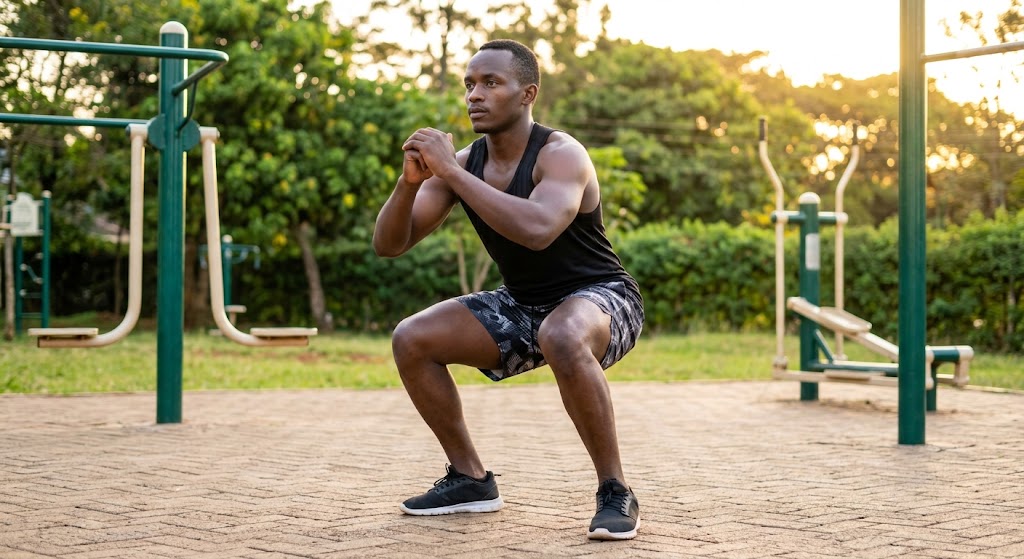
Squats are one of the best exercises for strengthening your legs, glutes, and core. Whether you are working out at home, at the gym, or simply trying to stay active, squats build power for everyday movements.
However, many people avoid them because of knee pain or discomfort. The good news is that knee strain during a squat is rarely caused by weak joints. It usually comes down to small errors in your setup and movement.
Mastering foot placement and knee direction
A solid squat begins with your feet. Stand with your feet shoulder-width apart and turn your toes slightly outward, around 15 to 30 degrees. This angle creates space for your hips to sink smoothly between your thighs.
As you begin to lower your body, push your hips back first, as though you are sitting down on a low chair, rather than bending directly at your knees.
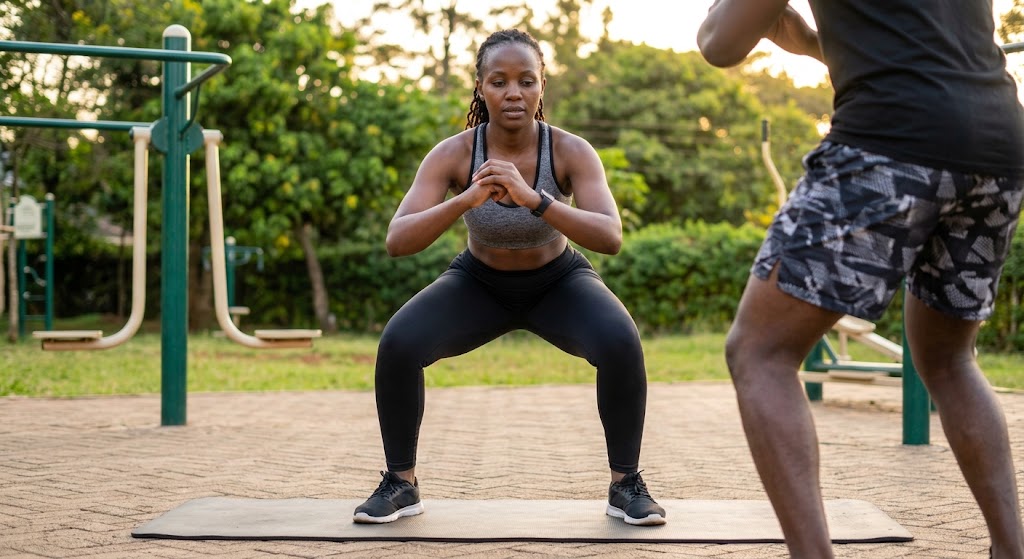
Keep your knees tracking in line with your toes throughout the entire movement. Avoid letting your heels lift off the floor. Lower yourself until your thighs are parallel to the ground, or as far down as your current flexibility safely allows.
Pushing past your comfortable range before building strength can force your spine or knees into poor alignment.
Proper technique protects your joints while arming your lower body against injury.
As biomechanics researchers noted in a study published in the Journal of Athletics and Physical Activity, “maintaining proper knee alignment in line with the feet significantly reduces joint shear forces during squatting.”
The common mistake causing knee strain
The most frequent mistake that triggers knee discomfort is knee valgus, which is when your knees cave inward as you lower down or push back up.
This inward collapse puts uneven pressure on your kneecap and surrounding ligaments. It usually happens when the outer hip muscles are weak or when you rush through the movement with poor form.
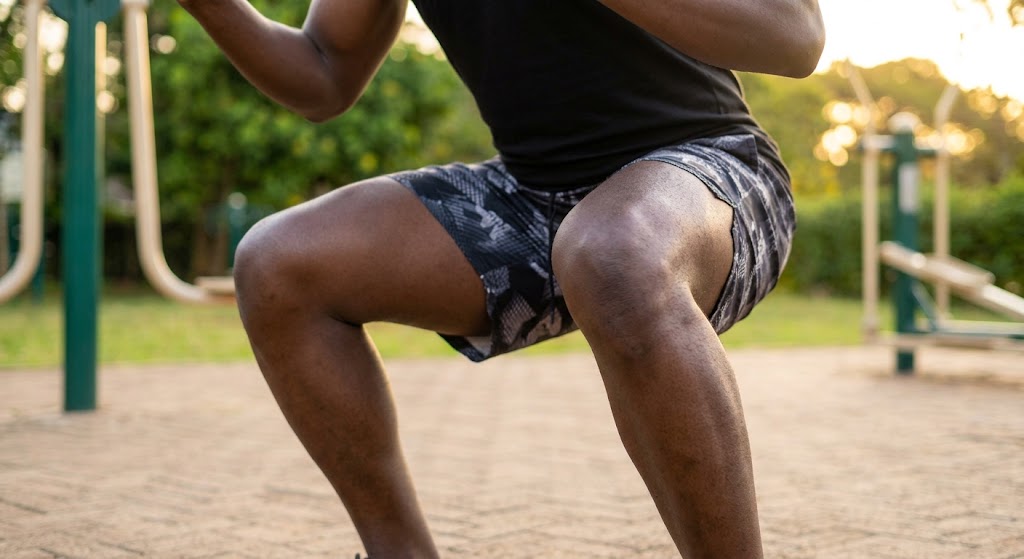
Another common error is allowing your knees to slide forward well past your toes before your hips travel back. This shifts the weight from your hips to your kneecaps. To fix this, focus on pressing evenly through your entire foot, keeping your chest lifted and your core firm.
Research published in the Journal of Athletic Training observed that “excessive inward knee movement during dynamic loading directly increases patellofemoral stress.”
Paying close attention to your knees moving outward over your toes helps protect your joints and keeps your workout pain-free. Always practise the movement with your own body weight before adding extra weights.