Advertisement
How to do a deadlift with correct form: Step-by-step guide for beginners
16th September, 2026 09:20 PM
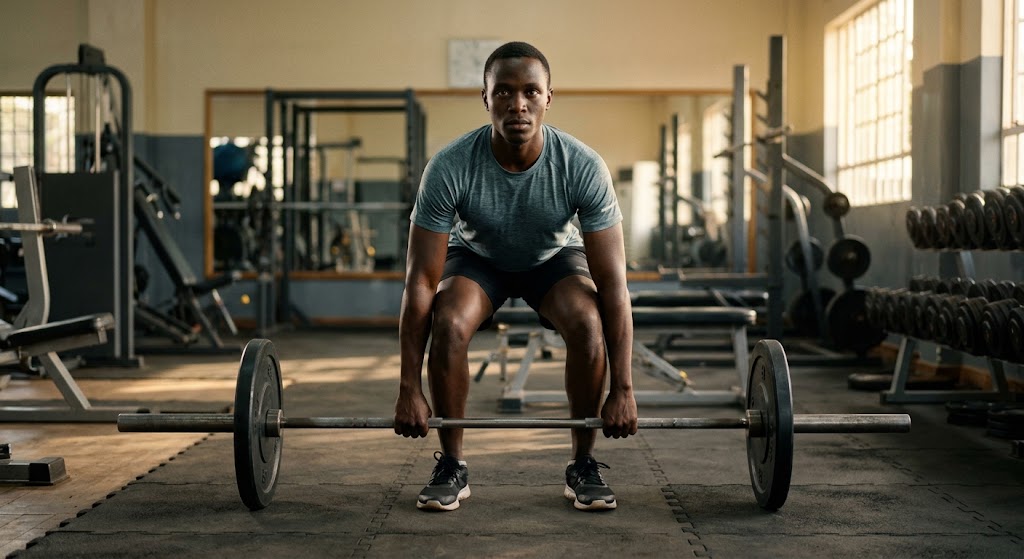
The deadlift is one of the most effective strength-building exercises you can add to your workout routine. By engaging your legs, glutes, core, and back simultaneously, it trains the body to lift heavy objects off the floor efficiently.
However, because it involves moving weight from a static position, poor execution can put unnecessary strain on your lower back. Learning proper technique right from your first repetition protects your joints and builds lasting physical strength.
Setting up your stance and grip
Start by standing upright with your feet hip-width apart and your toes pointed slightly outwards. The barbell should sit directly over the middle of your feet, roughly two inches away from your shins.
Without lowering your hips into a squat, bend forward at the waist to grip the bar just outside your legs using an overhand grip.
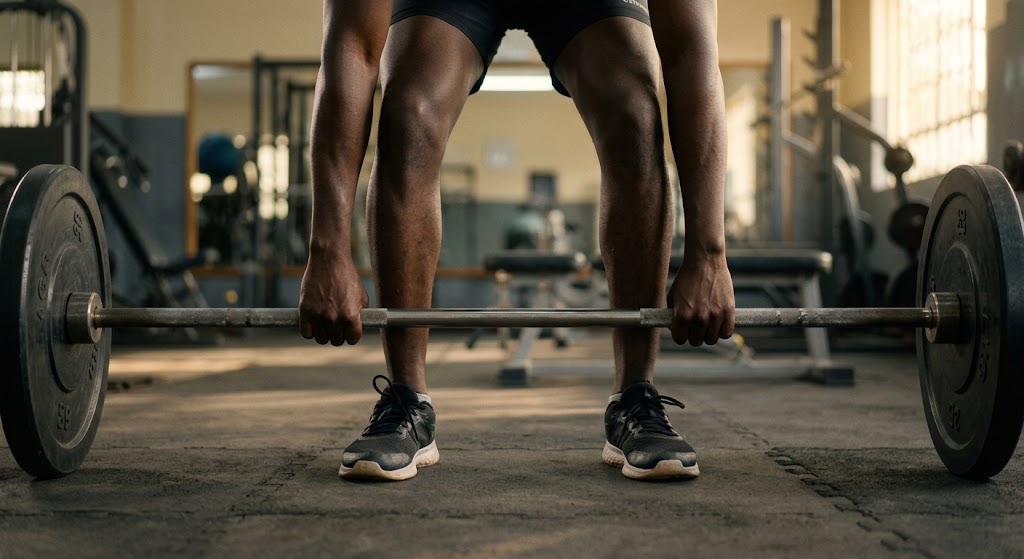
Next, bend your knees until your shins lightly touch the bar. Take a deep breath into your stomach and tighten your core muscles to brace your torso.
Lower your hips slightly and pull your chest up so your spine remains in a natural, straight line.
According to research published in the International Journal of Sports Physical Therapy, “a lifting technique that enables the lifter to maintain a neutral position of the spine ensures optimal loading on both passive and active structures.”
This neutral spine setup distributes the weight evenly across your body rather than concentrating force on your lower back.
Executing the lift and avoiding common mistakes
Before lifting, squeeze your shoulder blades back to engage your upper back muscles and remove any slack from the bar. Drive through your feet, pushing the floor away as if you are trying to press your heels through the ground.
Keep the bar close to your body throughout the upward movement, sliding it past your knees until you stand tall with your hips fully extended.
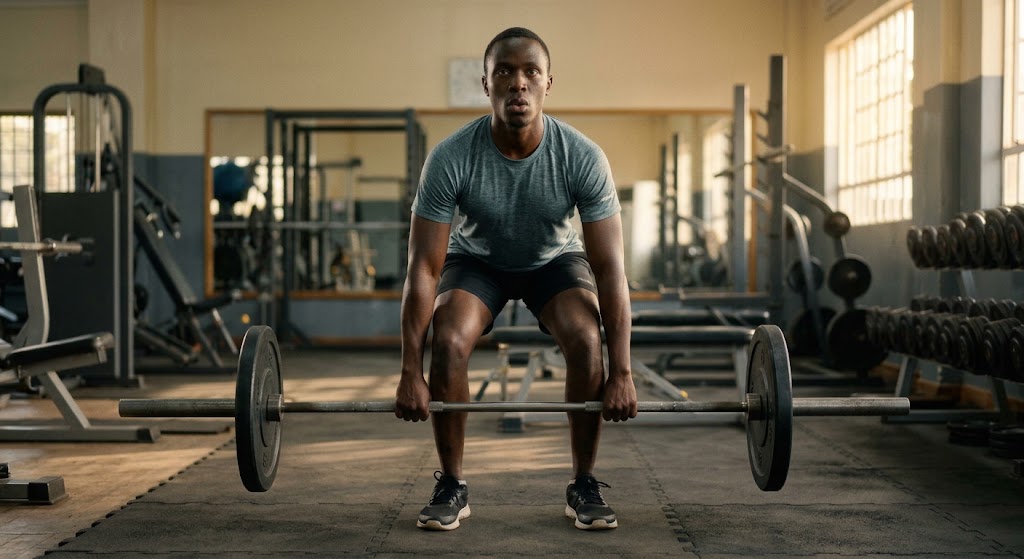
Avoid leaning backwards at the top of the lift, as overextending your lower back under tension increases injury risk.
To lower the bar safely, reverse the movement by pushing your hips backwards first, allowing the bar to glide down your thighs before bending your knees once it passes them.
The most common error among first-timers is rounding the lower back during the initial pull or allowing the barbell to drift away from the legs.
Keeping the load close to your centre of gravity prevents excessive torque on your spine and ensures a smooth, powerful lift every time.