Advertisement
Exercises that protect your knees as you age and the ones which destroy them
08th May, 2026 12:37 PM

Most people do not think about their knees until one of them starts hurting.
A dull ache after a run, a grinding feeling on the stairs, and stiffness that takes ten minutes to shake off in the morning. But by then, the conversation is already late.
What the research increasingly shows, though, is that the choices you make in the gym now, and how you make them, can either build lasting joint integrity or steadily erode it.
What actually protects your knees?
The most consistent finding in recent literature is that strengthening the muscles around the knee, particularly the quadriceps and hamstrings, is one of the most reliable ways to preserve joint health over time.
A 2023 study published in Arthritis & Rheumatology, which followed 2,607 adults over eight years, found that rates of knee osteoarthritis and pain were 20 per cent lower among people who did strength training compared to those who never tried it.
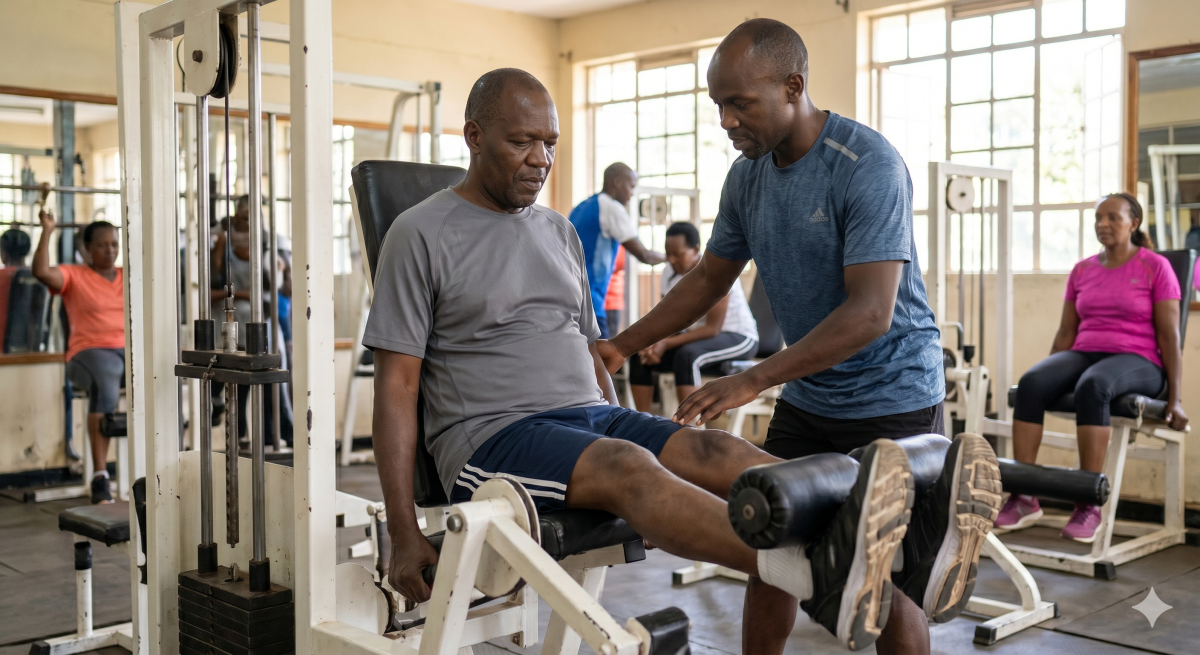
The same study carried an encouraging detail for anyone who feels they have left it too late: engaging in strength training after age 50 still provides joint protection comparable to people who started earlier.
Aquatic exercise (swimming, water aerobics, and pool walking) is another strong performer.
Research has found that regular swimming can ease joint pain and stiffness while improving muscle function in middle-aged and older adults with knee osteoarthritis, largely because water reduces the compressive load on the joint while still allowing the muscles around it to work.
Low-impact cardio such as cycling carries similar benefits.
Running, which has long been blamed for “wearing out” the knees, is also being substantially rehabilitated by the evidence.
What quietly damages them
The picture is not simply that exercise is good and rest is safe.
Sedentary habits carry their own risk. Cartilage needs movement and moderate loads to stay nourished.
The damage, when exercise is the cause, tends to come from a specific combination of high impact and poor preparation.

Explosive plyometric movements (box jumps, jump squats, high-intensity interval drills) can generate impact forces of four to seven times body weight on landing, which becomes a problem when the supporting muscles are underdeveloped or the session volume outpaces conditioning.
Unguided deep squats have a more nuanced reputation: a 2024 review found that of 15 studies examining deep squats and knee joint health, 14 showed no negative impact, provided proper technique was maintained.
The keyword there is technique. Sustained deep squat posture (holding the bottom position under load for extended periods) does show elevated stress on the femoral and tibial cartilage, which is a different thing from performing the movement with control and moving through it.
How to adjust at any age
Prioritise building strength in the quadriceps and the muscles of the posterior chain (squats, leg presses, Romanian deadlifts) and do them with controlled form rather than loaded depth.
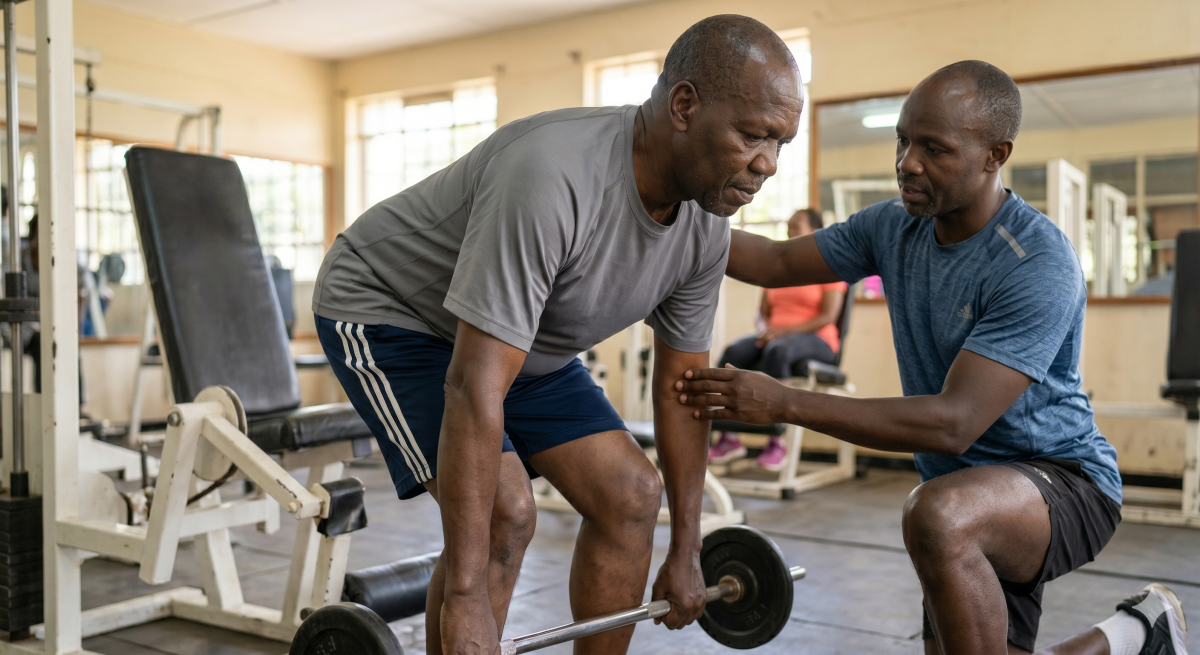
Keep at least one or two low-impact cardio sessions in your week, whether that is cycling, swimming, or simply walking.
If you run recreationally, you are likely doing your knees more good than harm. If you jump a lot, build the base first.
And if you have been putting off the weight room because it feels like it is for younger people, the evidence suggests it is never too late to start protecting your joints.