Advertisement
Cleaning products that kill germs may be putting your health at risk
07th August, 2026 04:28 PM
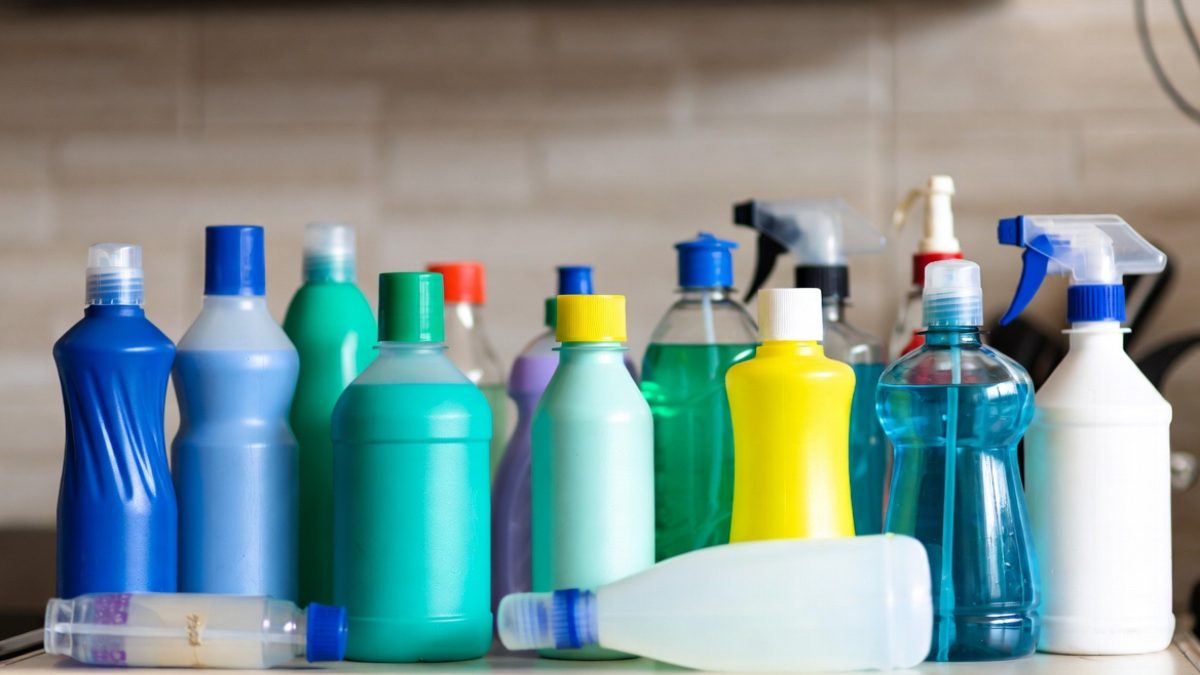
Classified as pesticides, quaternary ammonium compounds, or QACs, are the active ingredients in many popular hand sanitisers and disinfectants frequently used in homes, offices, daycare centres, schools, nursing homes and hospitals. The compounds are also found in baby wipes, air fresheners, laundry supplies, eye drops, nasal sprays and personal care products such as shampoos, mouthwash and toothpaste.
Developed in 1916 and widely used by the 1940s, QACs — like bisphenols — were long assumed harmless when used as directed. Emerging research, however, is challenging that conclusion.
“We now know QACs can be detected in human blood. There’s also a growing infertility problem, and based on studies in mice, I would expect that QACs are contributing,” said Hunt, a regents professor in the School of Molecular Biosciences at Washington State University in Pullman.
“These QACs are fantastic because they kill everything, but that doesn’t make them safe for people to use.”
Worried the public knows nothing
Lab and animal studies over the past decade have raised concerns about QACs’ effects on inflammation, the immune and respiratory systems, reproductive hormones, and the developing brain.
The compounds exacerbate asthma and chronic lung disease, “especially in occupational settings, where they have been most studied,” said Amina Salamova, an assistant professor of environmental health at Emory University’s Rollins School of Public Health in Atlanta.
Pilot studies have detected QACs in human blood serum, breast milk, urine and faeces. Based on human cell and animal studies, QACs “may also accumulate in the heart, kidneys, digestive tract and lungs,” said Libin Xu, an associate professor of medicinal chemistry at the University of Washington School of Pharmacy in Seattle, who studies the compounds.
How two labs unravelled the mystery
Hunt and Hrubec began collaborating, dosing mice in their labs with QAC-laced food for six months. The findings, published in 2014, found a dramatic drop in a mouse’s ability to become pregnant and successfully carry a fetus to term.
Female mice dosed with QACs lost interest in food, became lethargic and short of breath, and began to lose muscle control during late pregnancy. The study animals also experienced vaginal haemorrhages and difficult labour — more than one-third died close to giving birth.
“In later studies, we found QACs directly target the placenta of the mice, which delivers oxygen and nutrients to the baby,” Hrubec said. “Levels of inflammation rose in the placenta and were highest in fetuses with the neural tube defects.”
Higher levels of pro-inflammatory proteins from any source have been linked to neurological and sensory processing differences in conditions such as attention deficit hyperactivity disorder, or ADHD, and autism.
Widespread use may increase risk
Use of QACs soared during the COVID-19 pandemic as frightened masses sanitised themselves and nearly everything else in sight. One small study found levels of QAC in household dust rose 62% during the pandemic while levels in human blood rose 77% in just one year.
Fear of COVID has declined, but consumer interest in deeply sanitising homes, offices and schools has not diminished. Estimates put the global market for QACs in 2026 at $1.17 billion, more than a 21% increase since 2019. Today, the compounds remain the main ingredients in hundreds of products on the US Environmental Protection Agency’s list of disinfectants approved to combat SARS-CoV-2.
When a disinfectant is necessary, Hunt and other experts say products with citric acid, hydrogen peroxide and ethyl alcohol, such as alcohol wipes, are safer alternatives.
For Hunt, however, the problem is greater than what sits under the kitchen sink. She believes QACs repeat the story of BPA: A chemical becomes trusted and embedded in daily life — and only later do scientists begin to uncover its true cost.
“We have manufactured QACs and released them into commerce before we really understood how to monitor them in human bodies,” she said. “I just don’t think we should be coming in contact with these chemicals.”