Advertisement
Endometriosis and PCOS: 7 myths women should stop believing
03rd September, 2026 10:57 PM
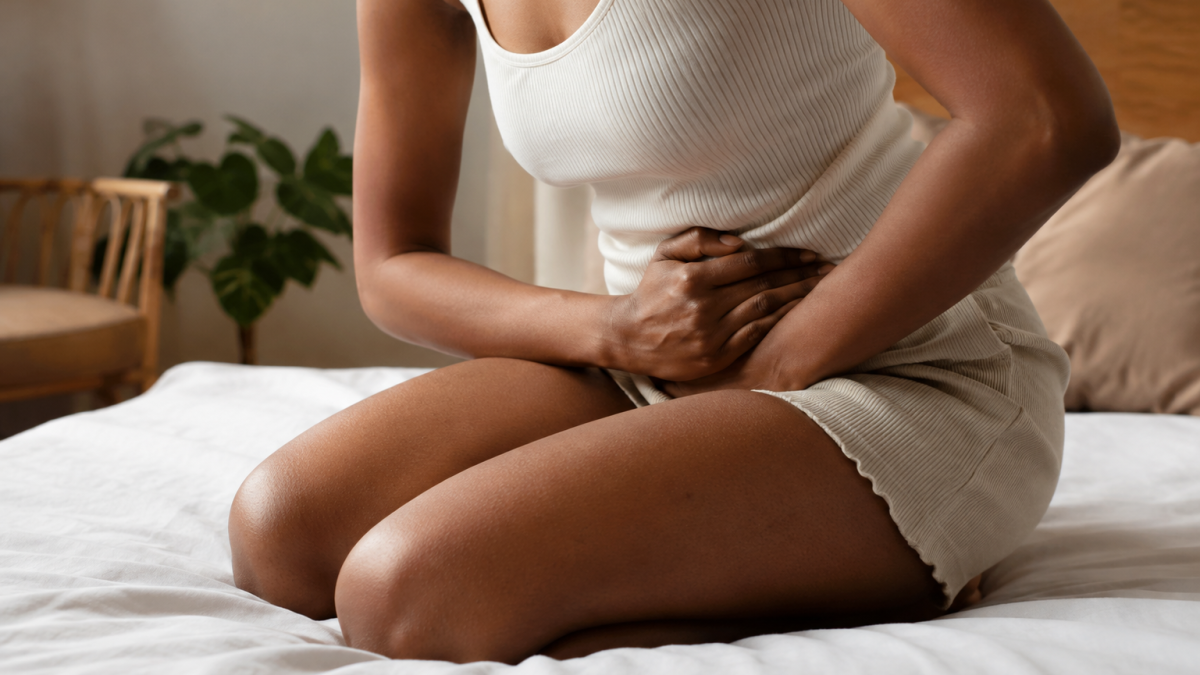
For many women, the first response to a painful period is often, “That is just how periods are.” If the periods disappear for months, it may be blamed on stress. If weight suddenly creeps up, the solution is often presented as simple: eat less and exercise more.
But the female reproductive system is not always that straightforward.
Endometriosis and PCOS have become major talking points, yet myths about both conditions continue to spread. Here are seven common ones women should stop believing.
Pain is normal
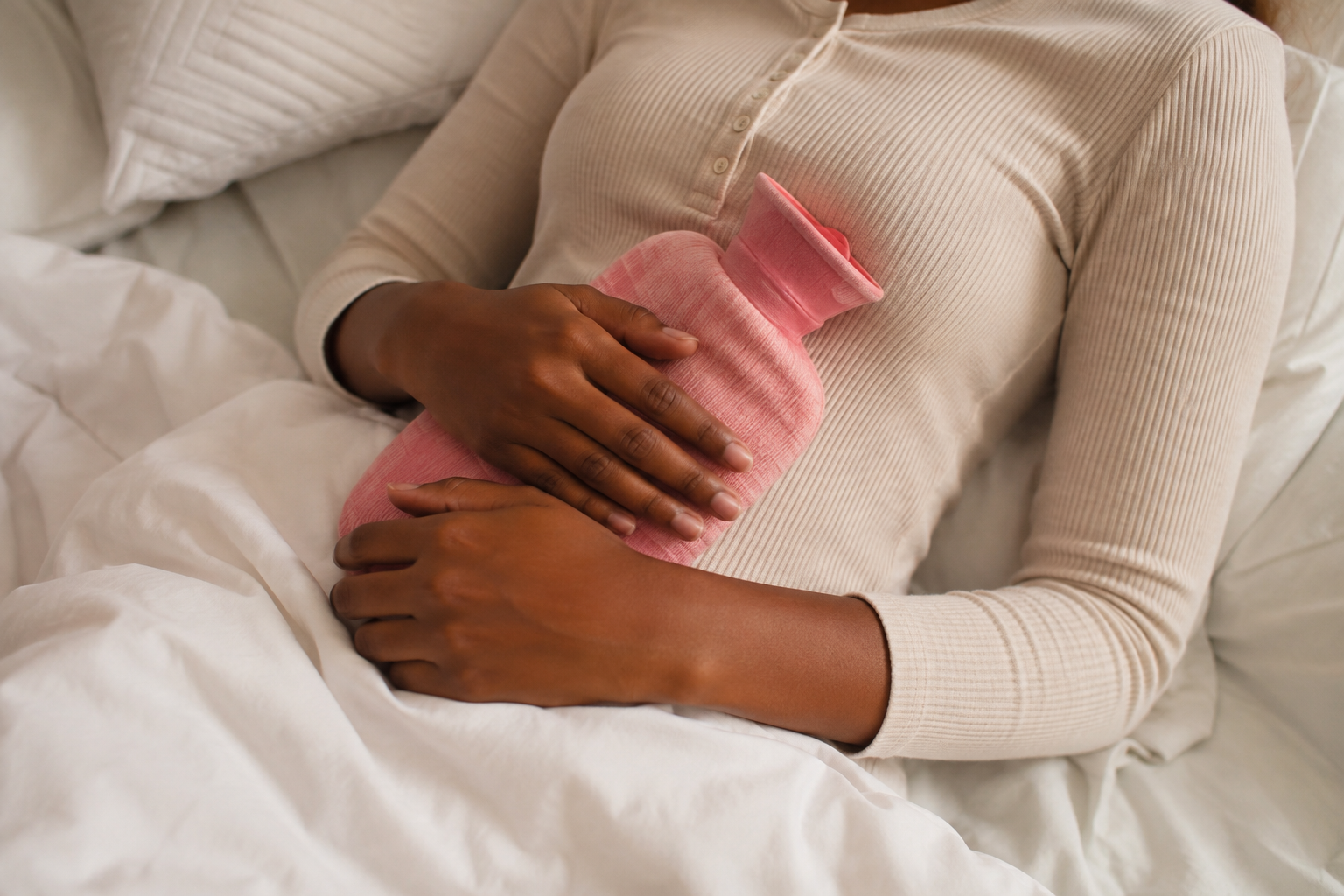
Some cramping during menstruation is common, but pain that leaves you unable to work, sleep, study or move normally should not simply be brushed aside.
Endometriosis can cause severe period pain, pelvic pain, heavy bleeding and pain during sex or when going to the toilet. For some women, the pain is not limited to the days when they are menstruating and can interfere with ordinary life.
This does not mean every painful period is caused by endometriosis. There are several reasons why periods can hurt. However, pain that is severe, persistent or getting worse is worth discussing with a healthcare professional.
Being able to function should not be treated as a luxury during your period.
PCOS means overweight
PCOS has become closely associated with weight gain, but the condition does not check your weighing scale before showing up.
Women with PCOS can have different body types. Some experience weight gain or difficulty losing weight, while others are not overweight at all. Symptoms can include irregular periods, acne, excessive facial or body hair, hair thinning and difficulty becoming pregnant.
This is why assuming that a slim woman cannot have PCOS can delay diagnosis.
PCOS is a hormonal and metabolic condition, not simply a problem caused by eating too much food or failing to exercise enough.
PCOS means cysts
The name itself can be confusing.
Despite being called polycystic ovary syndrome, not every woman with PCOS has what people commonly refer to as ovarian cysts. The condition is diagnosed using a combination of symptoms, medical history, examination and, where appropriate, laboratory tests or ultrasound.
An ultrasound is therefore not a magic crystal ball that can independently confirm or rule out PCOS.
The important thing is the overall medical picture, rather than one scan.
Endometriosis causes infertility
Endometriosis can affect fertility, but it does not automatically mean a woman cannot become pregnant.
Some women with endometriosis conceive naturally, while others may need medical assistance. The effect on fertility can vary depending on the severity of the disease and other individual factors.
PCOS can also make conception more difficult because it can interfere with regular ovulation. However, many women with PCOS are able to become pregnant with appropriate treatment and support.
A diagnosis can change the journey to pregnancy, but it does not necessarily close the door.
Irregular periods mean PCOS
An irregular menstrual cycle can be a sign of PCOS, but it is not exclusive to the condition.
Periods can become irregular because of stress, major changes in weight, intense exercise, certain medications, thyroid problems, pregnancy and other health conditions.
This is why it is risky to see a few irregular cycles and immediately declare, “I have PCOS.”
Your period can provide useful clues about your health, but it is not a complete diagnostic report.
Birth control cures them
Hormonal contraceptives can be very useful for managing certain symptoms, but they do not magically remove the underlying conditions.
For women with PCOS, hormonal birth control can help regulate periods and manage symptoms such as acne and excessive hair growth. For endometriosis, hormonal treatment can help control pain and reduce symptoms.
Treatment, however, is about management rather than pretending the condition never existed.
The best option also depends on the individual woman, her symptoms, other health considerations and whether she wants to become pregnant.
Diet can cure them
The internet has no shortage of miracle solutions. One week it is cutting out sugar, the next it is drinking a particular herbal mixture before breakfast, and suddenly someone online is promising that your hormones will be “balanced” by Friday.
Nutrition and lifestyle can play an important role in overall health, particularly for women living with PCOS. Regular physical activity, a balanced diet, adequate sleep and maintaining a healthy weight where appropriate can support general wellbeing.
But there is no single diet that cures PCOS or endometriosis.
Women should be especially cautious about online advice promising to “flush out” endometriosis, dissolve cysts or permanently balance hormones without medical treatment.