Advertisement
5 reasons tenants leave rental houses even when the property is good
03rd September, 2026 07:26 PM
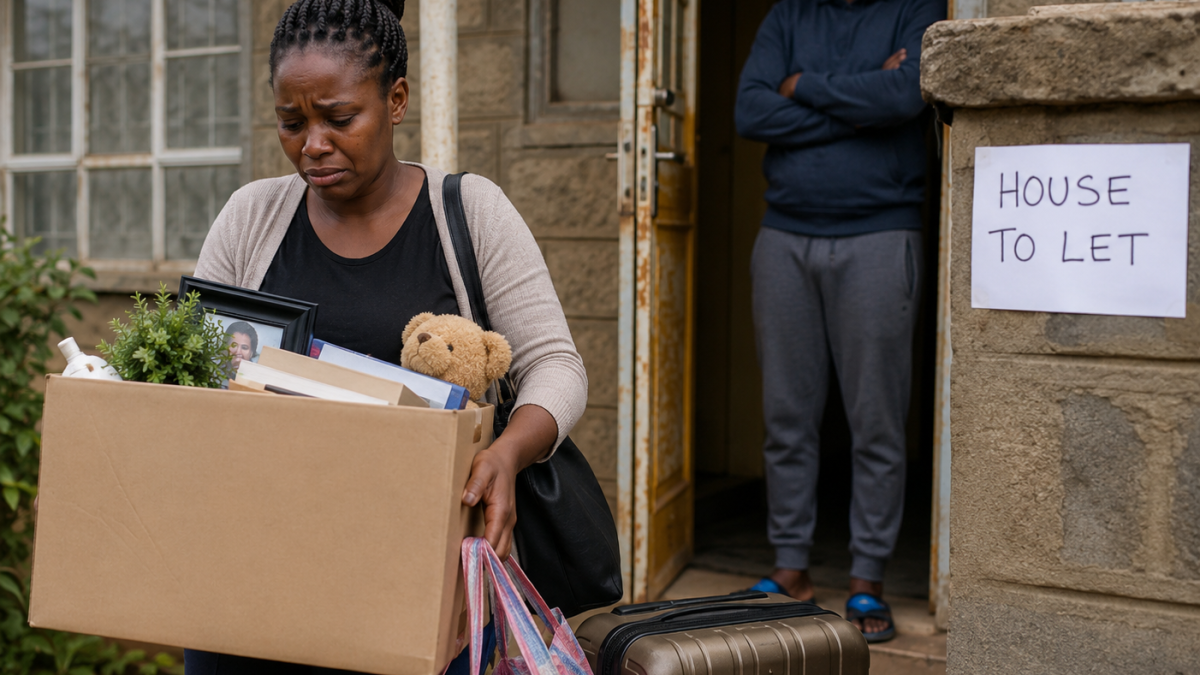
Finding a house that fits your budget and needs can be a relief, especially in busy towns and cities where rental houses can be expensive.
But while tenants are often expected to pay rent on time and take care of the property, the behaviour of a landlord can also determine whether someone stays or starts looking for another house.
A good landlord-tenant relationship requires respect, communication and clear boundaries. When these are missing, even a house that seemed perfect at first can quickly become uncomfortable.
Here are five things landlords do that can make tenants want to move out.
1. Entering the house without notice
Few things make a tenant uncomfortable like finding their landlord inside their house without prior communication.
Whether the landlord wants to inspect the property, check a repair or show the house to another person, tenants generally expect to be informed beforehand.
2. Ignoring repairs
A leaking tap may seem like a small problem, but when it remains unfixed for weeks, it can become a major source of frustration.
Broken doors, leaking roofs, faulty plumbing, electrical problems and other maintenance issues can affect a tenant’s safety and quality of life.
Tenants are more likely to stay when they know that genuine maintenance concerns will be taken seriously and addressed in reasonable time.

3. Constantly changing the rules
A landlord who keeps introducing new rules without proper communication can make life difficult for tenants.
For example, changing parking arrangements, suddenly restricting visitors or introducing new charges without clear explanation can create unnecessary conflict.
Clear rules should be communicated from the beginning, preferably as part of the rental agreement, so both sides understand what is expected.
4. Poor communication
A tenant should not have to make several calls and send numerous messages just to get a response about an important issue.
Landlords who are difficult to reach, ignore complaints or become aggressive when tenants raise legitimate concerns can quickly damage the relationship.
Good communication does not mean a landlord must respond instantly to every message. However, tenants appreciate knowing that there is someone they can contact when something needs attention.
5. Treating tenants without respect
Renting a house does not mean a tenant has given up their dignity or privacy.
Shouting at tenants, insulting them, threatening them or publicly embarrassing them over rent disputes can create a hostile living environment.
Even when there is a genuine disagreement about rent, repairs or other issues, both parties can address the matter respectfully.