Advertisement
5 things women should remember about endometriosis and PCOS
03rd September, 2026 11:23 PM
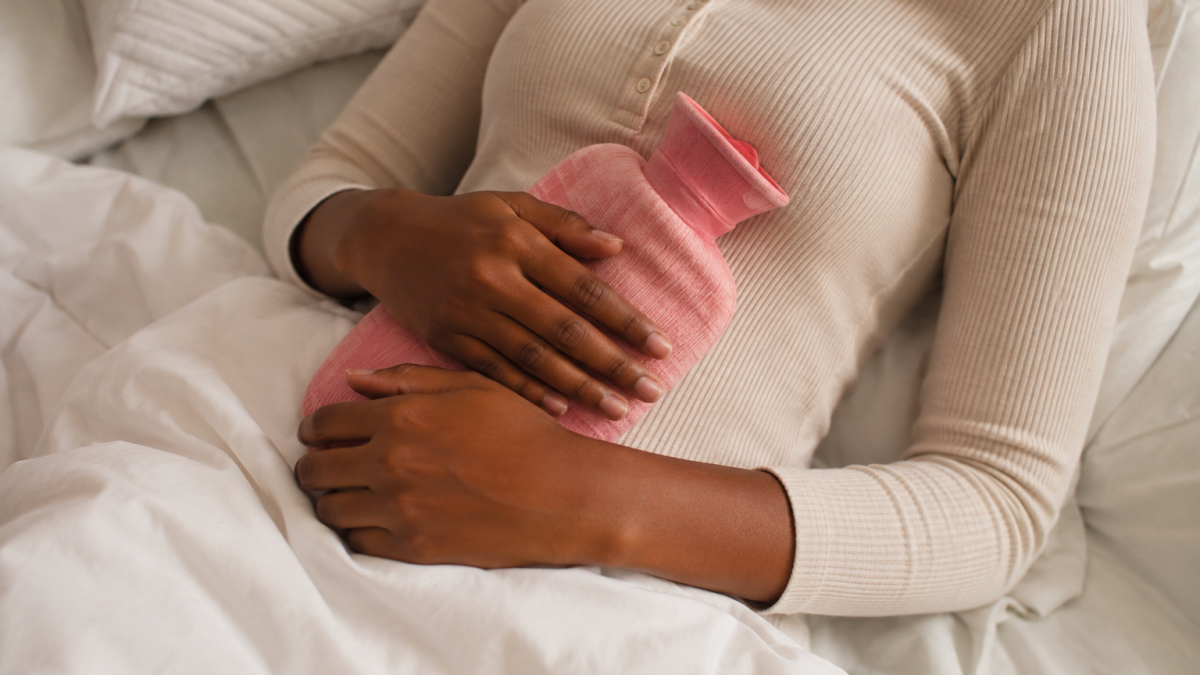
For years, women have been told to put up with painful periods, strange cycles and hormonal changes as if they are simply part of the package. Take a painkiller, drink some tea, sleep it off and get on with life.
But sometimes, the body is trying to say something.
Endometriosis and polycystic ovary syndrome, commonly known as PCOS, have become part of a much bigger conversation about women’s health. The two conditions are different, but both can affect periods, fertility and everyday life. They can also be difficult to recognise because symptoms vary from one woman to another.
Here are five things every woman should remember.
Pay attention to your period
Your period can tell you quite a bit about what is happening in your body, so do not treat it as a monthly nuisance that deserves nothing more than a glance at the calendar.
Pay attention to when your period arrives, how long it lasts, how heavy the bleeding is and how much pain you experience. Notice whether your cycle is becoming shorter, longer or increasingly unpredictable.
Severe period pain is particularly important to watch. While some discomfort is common, endometriosis can cause intense menstrual pain, chronic pelvic pain, heavy bleeding and pain during sex or when passing stool or urine. The pain can become so disruptive that it affects work, school, relationships and ordinary daily activities.
Irregular periods can also be a sign of PCOS because the condition can interfere with ovulation. However, an irregular cycle does not automatically mean a woman has PCOS. Stress, changes in weight, intense exercise, pregnancy, thyroid problems and other conditions can also affect menstruation.
Keeping a simple record of your cycle can therefore be useful when speaking to a healthcare professional.
Every woman is different
One of the biggest problems with conversations around PCOS and endometriosis is the expectation that every woman should have the same symptoms.
She does not.
Two women can have the same condition and have completely different experiences. One woman with endometriosis may spend the first few days of every period in severe pain, while another may experience pelvic discomfort, pain during sex or fertility problems without the dramatic period pain people often associate with the condition.
PCOS is just as varied. Some women experience irregular or absent periods, acne, excess facial or body hair, weight changes or difficulty becoming pregnant. Others may have only a few noticeable symptoms.
This is why comparing yourself with a friend, sister or woman on social media can be misleading. Your body is not required to follow someone else’s symptom list.
PCOS has no body type
There is a stubborn idea that PCOS belongs only to women who are overweight. It does not.
Weight gain and difficulty losing weight can occur in women with PCOS, but women of different body sizes can have the condition. A slim woman can have PCOS just as an overweight woman can.
This matters because stereotypes can cause women to dismiss symptoms they should investigate. Someone may have irregular periods, acne or other signs of hormonal changes and assume PCOS is impossible simply because she does not fit the picture she has seen online.
At the same time, being overweight does not automatically mean a woman has PCOS. Weight alone cannot diagnose the condition.
PCOS is a hormonal and metabolic condition, and proper assessment is much more useful than trying to identify it from someone’s appearance.
Do not trust every TikTok
Social media has made it easier for women to talk openly about periods, fertility, hormones and conditions that were once rarely discussed. That is a good thing.
The problem starts when a short video turns into a diagnosis.
A woman might watch a video listing bloating, acne, irregular periods and weight gain and immediately conclude that she has PCOS. Another might experience painful periods and decide she definitely has endometriosis.
Symptoms can overlap with many other conditions, and some women may have few obvious symptoms at all. Proper diagnosis usually involves looking at medical history, symptoms, examination and, where appropriate, tests or scans.
Online communities can help you find questions to ask and make you realise that you are not alone. They should not replace a qualified healthcare professional.
And beware of anyone promising that one herbal drink, expensive supplement or miracle diet will “cure” your hormones overnight. If it sounds too good to be true, your bank account probably knows the answer already.
Know when to seek help
Perhaps the most important thing is knowing when a symptom has crossed the line from inconvenient to concerning.
Persistent pelvic pain, very painful periods, unusually heavy bleeding, prolonged irregular periods, bleeding between periods, pain during sex or difficulty becoming pregnant should not simply be accepted as the price of being a woman.
This does not mean every unusual period is a medical emergency. Bodies change, and menstrual cycles can occasionally behave strangely. But when a problem keeps returning, becomes worse or begins interfering with your everyday life, it deserves attention.
Endometriosis can take years to diagnose, partly because its symptoms vary and period pain is often normalised. PCOS can also go undiagnosed for years, particularly when symptoms are mild or do not fit the usual stereotype.
Seeking help does not mean you are overreacting. It means you are paying attention.