Advertisement
Natalie Githinji shares ways in which people can support women battling endometriosis
28th September, 2026 11:37 AM
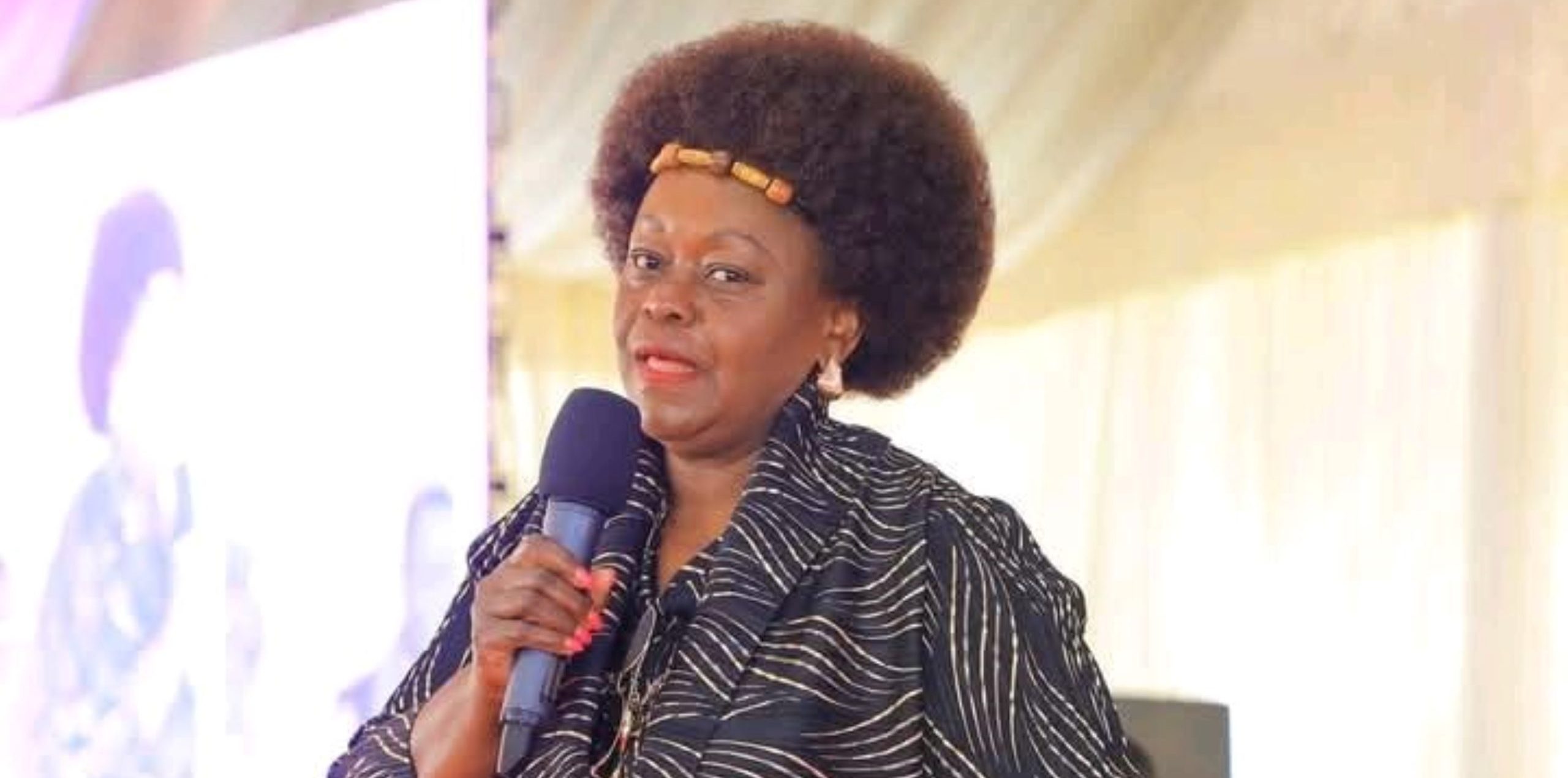
Kenyan media personality Natalie Githinji has called for continued conversations around endometriosis, urging people to keep speaking about the condition even after her Endometriosis Warriors event ended.
Natalie made the remarks on Sunday, September 27, 2026, during the event held at the Kenyatta International Convention Centre (KICC), where thousands of women, supporters, celebrities, musicians and dancers gathered to create awareness around the condition.
After Janet Mbugua asked Natalie how people could continue showing up for the thousands of girls and women living with endometriosis, she urged them not to let the conversation end at the event.
“Don’t stop talking about endometriosis until something is done. Even when we leave this event after having fun, can we still talk about endometriosis?” Natalie said.
Natalie’s difficult endometriosis journey
Natalie has openly shared her experience living with endometriosis and the challenges that came with seeking treatment.
Her journey reached a difficult point when she was admitted to hospital as she dealt with complications linked to the condition. The experience eventually led to her undergoing surgery as part of her treatment.
For Natalie, the process was not only about dealing with the physical effects of endometriosis but also the emotional and financial pressure that comes with seeking treatment.

She has since spoken about the recovery process and encouraged other women not to compare their healing journeys, noting that recovery can take different amounts of time depending on the individual.
Her experience also became part of the reason she wanted to create a space where women could openly discuss what they go through without feeling alone.
From hospital admission to surgery
As her condition became more difficult to manage, Natalie eventually underwent surgery.
The treatment marked an important stage in her journey, although recovery did not happen overnight. She has continued to share updates about healing while encouraging other endometriosis warriors to give themselves patience and grace.
Speaking about the financial side of treatment, Natalie recalled that there was a time when people suggested raising money to help her travel abroad for surgery.
“There is a time I was told that people should contribute money so that I could go abroad for my surgery, but you see, now I did my surgery here already; what about the rest of the women?” she said.
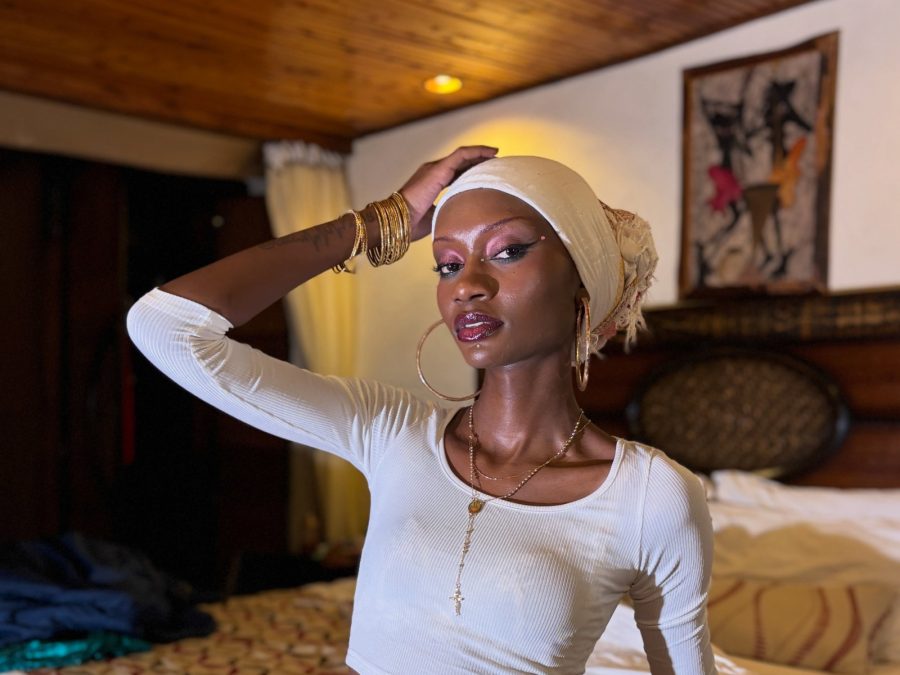
The experience made her think beyond her own treatment and about the many other women who continue to struggle with the cost of managing endometriosis.
Natalie launches Endometriosis Warriors event
That journey eventually led to the Endometriosis Warriors event, organised through Natalie’s Yellow Bold Girl Initiative in partnership with Eric Omondi’s Sisi Kwa Sisi Initiative Kenya.
The KICC gathering brought together women living with endometriosis, their supporters and people from the entertainment industry for a day of awareness, music, performances and conversations.
Natalie became emotional after taking the stage and seeing the large turnout, a moment that showed her the number of people willing to stand with women living with the condition.
The event also provided an opportunity for women to share their experiences and for the public to learn more about the challenges associated with endometriosis.
‘Make every day an awareness day’
Natalie said the support should not end once the event is over. “Every single day, make it endometriosis awareness day, because people are suffering,” she said.

She also highlighted the high cost of treatment, saying even women living outside Nairobi and those within the city continue to struggle to afford the care they need.
“Endo treatment is really expensive. Even for the girls living out of town and living here, they still can’t afford it,” Natalie said.
She had earlier considered raising about Ksh6 million to help women access treatment, but acknowledged that such an amount would not be enough to support everyone living with the condition.
For Natalie, the next step is therefore keeping the conversation going beyond one event, so that more women can talk about their experiences and access the support they need.