Advertisement
Food safety myths that could put you at risk
04th August, 2026 01:29 AM
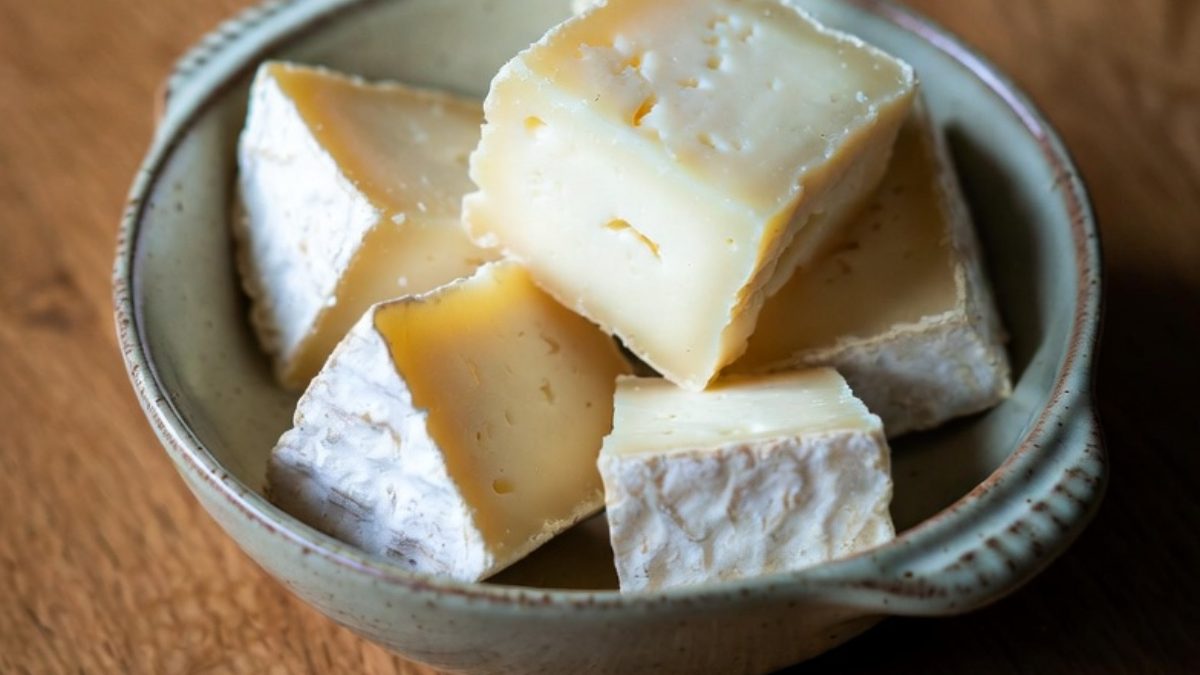
Food safety is often based on habits passed down from family members, friends or even social media.
While some of these practices may seem harmless, others can increase the chances of food becoming contaminated or causing illness.
Knowing the difference between safe food practices and common myths can help you handle, prepare and store food more safely. Here are some food safety myths that are worth knowing.
Myth 1: Washing raw chicken removes bacteria
Washing raw chicken before cooking is a common habit in many homes, but it does not make the chicken safer. Rinsing the chicken can cause water droplets to spread bacteria onto nearby surfaces, utensils and other foods.
The safer approach is to avoid washing raw chicken and cook it properly instead. Proper cooking kills harmful bacteria that may be present in raw poultry. It is also important to wash your hands with soap and water after handling raw chicken and to clean surfaces that may have come into contact with it.
Myth 2: You can tell if food is unsafe by its smell
Many people believe that spoiled or contaminated food will always smell bad. While some spoiled foods may have an unusual smell, harmful bacteria do not always change the smell, taste or appearance of food.
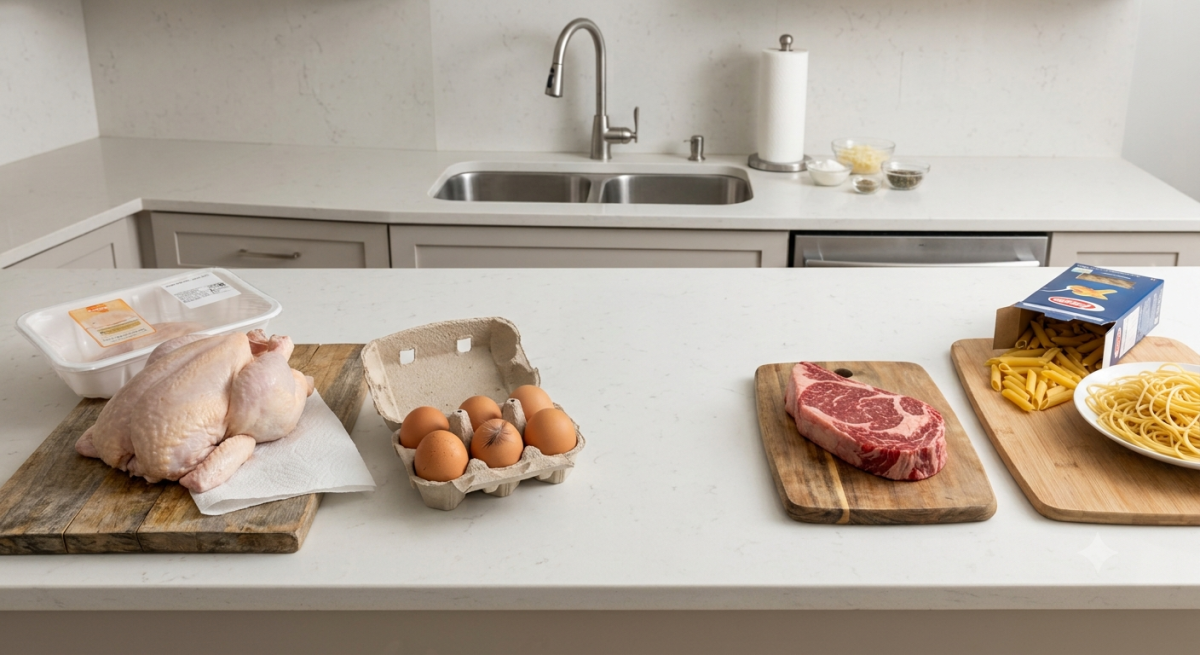
This means that food can look completely normal and still make you sick. Tasting a small amount to check whether something is safe is also not a reliable method. Instead, pay attention to proper storage, expiry dates and how long food has been kept at unsafe temperatures.
Myth 3: You can leave cooked food out for several hours
Another common belief is that cooked food is safe as long as it is covered. However, covering food does not stop bacteria from growing if the food is left at an unsafe temperature for too long.
Cooked food should be handled carefully after preparation. Perishable foods should not be left sitting out for extended periods, especially in warm conditions. Refrigerating food promptly can slow bacterial growth and help keep leftovers safe for longer.
Myth 4: Freezing food kills all harmful bacteria
Freezing can help preserve food by slowing or stopping the growth of many bacteria, but it does not necessarily kill all harmful bacteria. Some bacteria can survive freezing and become active again once the food is thawed.
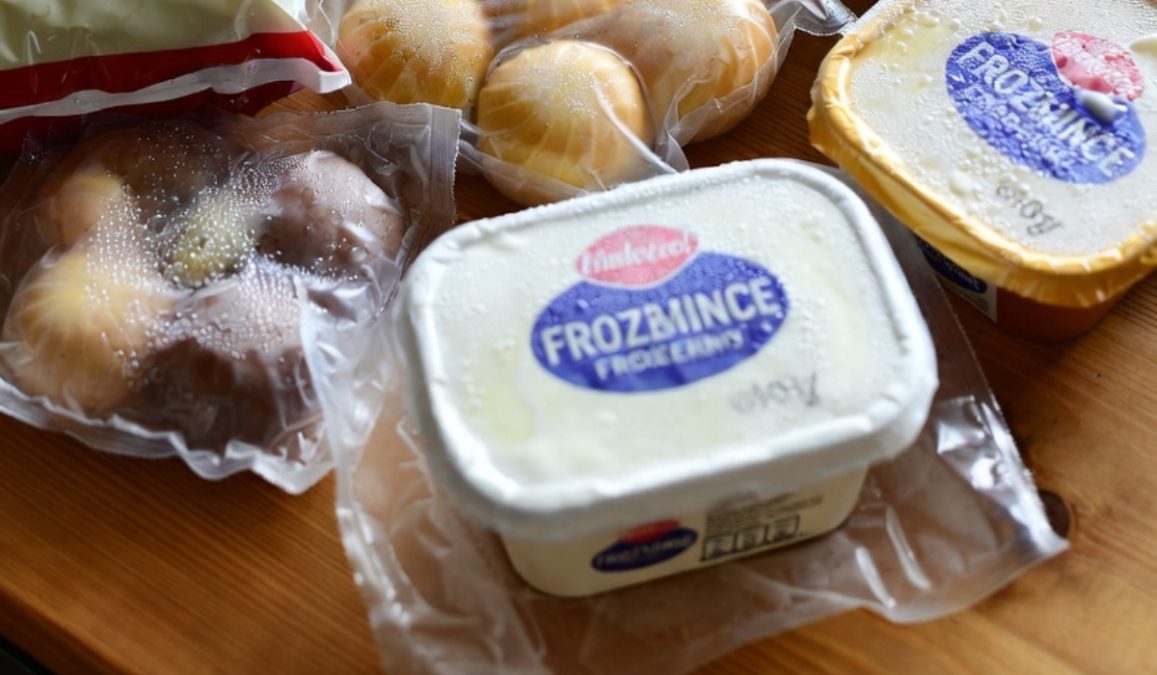
This is why frozen food still needs to be handled safely. Food should be thawed properly and cooked according to safe preparation practices. Freezing should not be viewed as a way of making unsafe food safe again.
Myth 5: If you cut off mould, the rest is safe
Cutting mould off food and eating the remaining part may seem like a way to avoid wasting food. However, mould can spread deeper into some foods even when it is not visible on the surface.
For soft foods, such as some fruits, vegetables and bread, simply removing the visible mould may not be enough. When in doubt, it is safer to discard food that has developed mould rather than risk eating it.