Advertisement
5 hygiene rules to follow when sharing a house or apartment
02nd September, 2026 11:37 PM
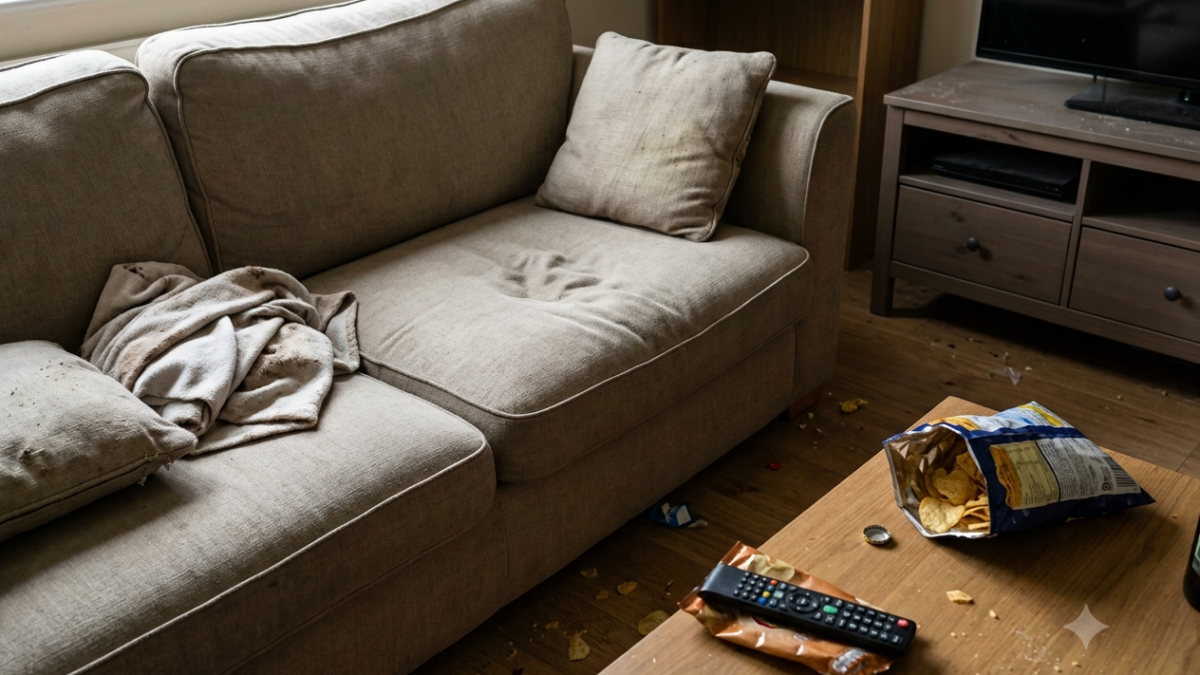
Living with roommates can be fun until you discover that the person you thought was simply relaxed actually believes a pile of dirty dishes is part of the interior décor.
Whether you are sharing an apartment with friends, living with university roommates or splitting rent with colleagues, living together means sharing more than the Wi-Fi and electricity bill. You are also sharing bathrooms, kitchens, door handles, sinks, couches, and sometimes cleaning responsibilities. That makes hygiene a group effort, not just a personal choice.
Good household hygiene does not mean turning your house into a hospital. It simply means cleaning regularly, washing your hands, dealing with rubbish properly and keeping shared spaces reasonably tidy. A few simple habits can go a long way in reducing the spread of germs, preventing unpleasant smells and keeping the house comfortable for everyone.
Here are five simple hygiene rules that can save you from both germs and roommate drama.
Clean up after yourself
This sounds obvious, but apparently it needs to be said.
If you cook, wash your dishes. If you spill something, wipe it. If you leave hair around the bathroom sink, remove it. If your takeaway container has been sitting on the kitchen counter since Tuesday, it has officially overstayed its welcome.
Shared spaces belong to everyone, so one person should not be forced to clean up after another person every day. This is particularly important in the kitchen, where food scraps, dirty plates and overflowing rubbish can attract insects and create unpleasant smells.
Wipe kitchen surfaces after preparing food, wash dishes promptly and take out rubbish before it turns into a small ecosystem. You do not need to scrub the entire house every time you make tea. Just deal with your own mess before it becomes somebody else’s problem.
It is also good manners. Nobody wants to come home after a long day only to find a sink full of plates belonging to someone who cooked a feast three days ago and has now mysteriously disappeared whenever cleaning is mentioned.
Keep the bathroom clean
Few things reveal differences in household habits faster than a shared bathroom.
One roommate may arrive armed with cleaning products every Saturday morning, while another considers splashing water around the sink a deep clean. Somewhere between the two is a reasonable routine.
The toilet, sink, shower and other frequently touched surfaces should be cleaned regularly. Hair should also be removed from drains before it turns into a plumbing problem that suddenly becomes everybody’s emergency.
Do not leave toothpaste marks around the sink or puddles all over the floor. If you use the toilet, leave it clean for the next person. It takes only a few seconds to check the bathroom before walking out.
Handwashing is equally important. Wash your hands properly with soap and water after using the toilet and before handling food. It is one of the simplest habits in a shared home, but it can make a big difference.
And please, keep your personal toiletries personal. Toothbrushes, razors, washcloths and towels are not community property.
Keep personal items personal
Living together does not mean everything automatically becomes communal.
Some things can be shared, such as salt, cooking oil, a television or perhaps the occasional packet of biscuits. Personal hygiene items are a completely different matter.
Avoid sharing toothbrushes, razors, washcloths and towels. Everyone should have their own items and store them properly after use.
Towels should also be hung somewhere they can dry properly rather than being left in a wet heap on the bathroom floor. A permanently damp towel can quickly develop an unpleasant smell, and nobody wants to discover that their bathroom now smells like forgotten laundry.
The same rule applies to grooming tools. If it touches your skin, mouth or hair, it is usually better to keep it to yourself unless it has been properly cleaned and is designed to be shared.
A little boundary between roommates is not rude. It is simply good hygiene.
Create a cleaning routine
The biggest mistake people make in a shared house is assuming someone will just clean it.
That someone eventually becomes the person who complains the loudest.
Instead of waiting for the kitchen to become unbearable, create a simple cleaning routine. One person can handle the bathroom during a particular week, another can take responsibility for the kitchen, while everyone takes turns sweeping, mopping and taking out rubbish. You can also rotate the chores so nobody gets permanently sentenced to toilet duty.
The routine does not have to be complicated. A weekly deep clean combined with quick clean-ups during the week can keep the home manageable.
Most importantly, talk about the arrangement early. People have different standards of cleanliness. What looks clean to one person may look like a disaster zone to another.
It is much easier to agree on chores over a relaxed conversation than to have a dramatic 11 pm meeting about whose dirty socks have been living in the sitting room for four days.
Be extra careful when someone is sick
A shared house becomes a different environment when one person falls ill.
When someone has a contagious illness, everyone should pay more attention to handwashing, keeping shared spaces clean and avoiding unnecessary contact with items used by the sick person. Frequently touched areas such as door handles, light switches, taps and countertops should also be cleaned regularly.
The sick roommate should cover coughs and sneezes properly, dispose of used tissues and avoid leaving cups, plates and other rubbish lying around in shared spaces.
It also helps to keep rooms well ventilated when possible and to give the sick person enough space to rest. You do not have to treat them like they have been banished from the apartment, but a little extra caution can help stop one person’s illness from becoming the entire house’s problem.