Advertisement
El Niño rains: The hidden health risks of walking through floodwater
16th September, 2026 01:24 PM
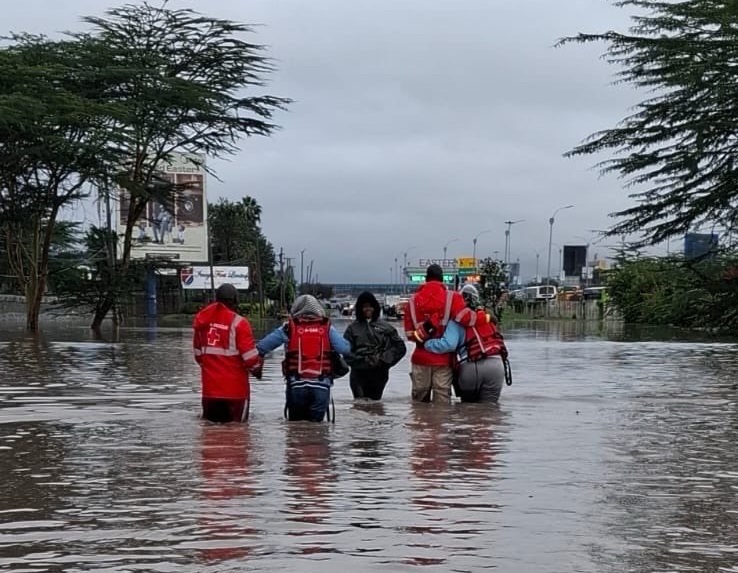
As Kenya prepares for the October–December 2026 rainy season, the expected increase in rainfall is likely to bring renewed attention to flooding in areas that are prone to waterlogging.
The Kenya Meteorological Department has warned of above-normal rainfall in much of the country during the October–December 2026 season as El Niño conditions develop. However, the weather agency has also cautioned that El Niño does not automatically mean flooding, as the amount and distribution of rainfall can vary across different parts of the country.
For residents in flood-prone areas, one of the health concerns during periods of heavy rain is exposure to floodwater. When roads and footpaths become flooded, walking through the water may appear to be the easiest way to get to work, school or home. But the water can carry health risks that are not always visible.
How floodwater can expose people to infections
Floodwater often collects waste from blocked drainage systems, overflowing toilets and contaminated surroundings. As it moves through neighbourhoods, it can pick up germs from human and animal waste.
One of the illnesses associated with exposure to contaminated water is leptospirosis, a bacterial infection that can spread when water or soil contaminated with infected animal urine comes into contact with the body.
The bacteria can enter through cuts, scratches or the eyes, nose and mouth. A person may also become infected when they handle contaminated materials.
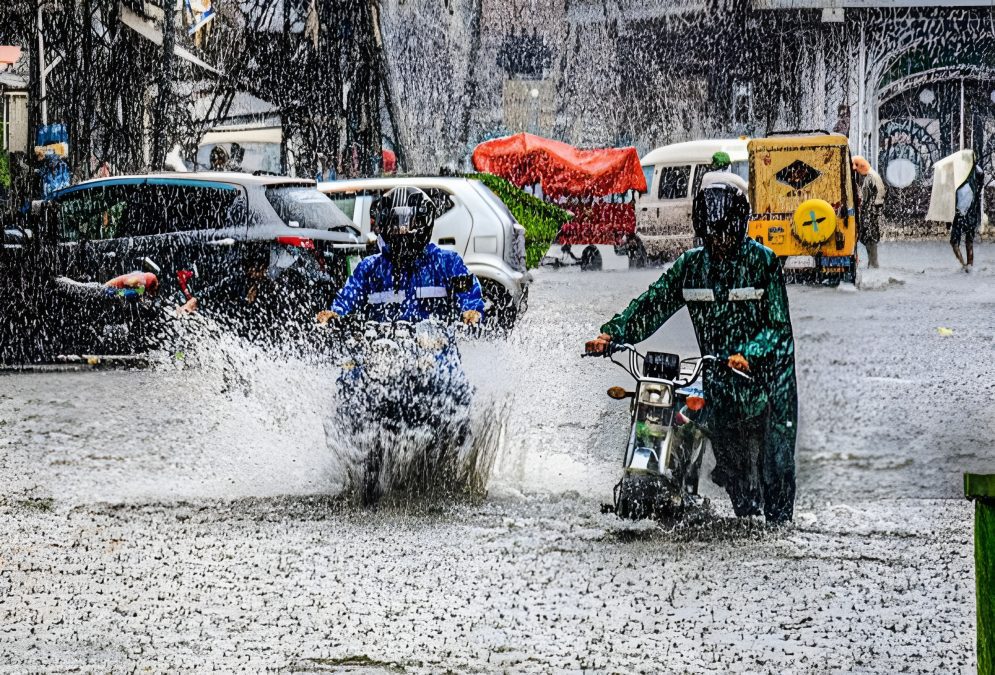
According to the Centers for Disease Control and Prevention (CDC), floodwater can increase the risk of waterborne, fungal and vector-borne diseases. The agency advises people to avoid contact with floodwater whenever possible, particularly when its contents are unknown.
Leptospirosis may initially cause symptoms such as fever, headache, muscle pain, chills, vomiting and red eyes. In serious cases, it can affect the kidneys, liver and other organs.
The danger of wounds and hidden objects
Floodwater can make it difficult to see what lies beneath the surface. Broken glass, sharp pieces of metal, nails and other objects may be hidden in the water, increasing the risk of cuts and puncture wounds.
When a person walks through the water barefoot or wearing open shoes, their feet may come into contact with these objects. Even a small wound can become infected if exposed to contaminated water.
People with existing cuts, skin conditions or wounds may also be more vulnerable to infections. For this reason, covering wounds with waterproof dressings before exposure and avoiding unnecessary contact with floodwater can help reduce the risk.
Floodwater can also contain chemicals from fuel, pesticides, cleaning products and other materials washed away from homes, businesses or roads. Contact with these substances may irritate the skin or cause other health problems, depending on what is present in the water.
Floods can increase the risk of stomach illnesses
Another concern during heavy rains is the contamination of drinking water and food.
Floodwater can enter water sources, damage sanitation systems and interfere with the supply of clean water. If contaminated water is used for drinking, cooking or washing food, it can spread illnesses such as diarrhoea, cholera and typhoid.
According to the World Health Organization (WHO), flooding can increase the risk of waterborne diseases when sanitation systems are damaged and clean water becomes difficult to access. The organisation has also highlighted the need for disease surveillance and safe water supplies during flood emergencies.
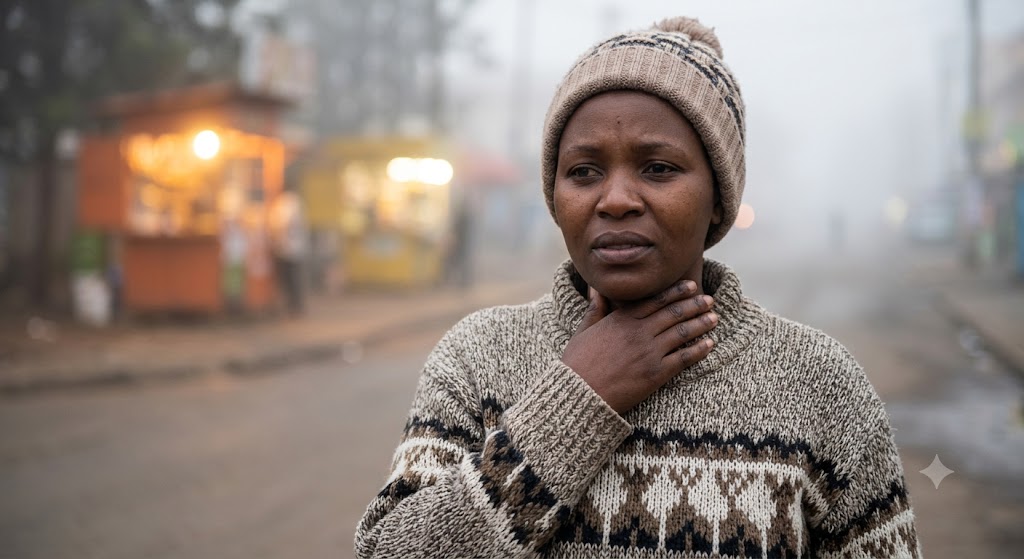
Symptoms such as diarrhoea, vomiting, stomach pain and fever should not be ignored, especially when several people in the same area become sick.
Mosquitoes and other risks after flooding
Flooding can leave behind pools of stagnant water, creating conditions where mosquitoes may breed. Depending on the location and the diseases circulating in the area, this can increase the risk of mosquito-borne infections such as malaria.
However, malaria is not contracted simply by walking through floodwater. It is spread through the bites of infected mosquitoes.
Floods can also force people to move through unsafe areas, increasing the risk of drowning, falls and other injuries. Strong currents may be difficult to judge, even when the water appears shallow.
How to protect yourself during heavy rains
The safest option is to avoid walking or driving through floodwater whenever possible. If a road is flooded, it is better to wait for the water to recede or find a safer route.
People who come into contact with floodwater should wash exposed skin with clean water and soap as soon as possible. Any cuts or wounds should be cleaned and monitored for signs of infection.
If someone develops fever, severe headache, muscle pain, diarrhoea, vomiting or other unusual symptoms after exposure to floodwater, they should seek medical attention and inform the healthcare provider about the contact.
Floodwater may look like an ordinary obstacle on the road, but its contents can pose several health risks. Taking precautions during the rainy season can help prevent infections and injuries that may otherwise go unnoticed.