Advertisement
British theatre career: 5 things many fans may not know about Olu Jacobs
16th September, 2026 10:19 PM
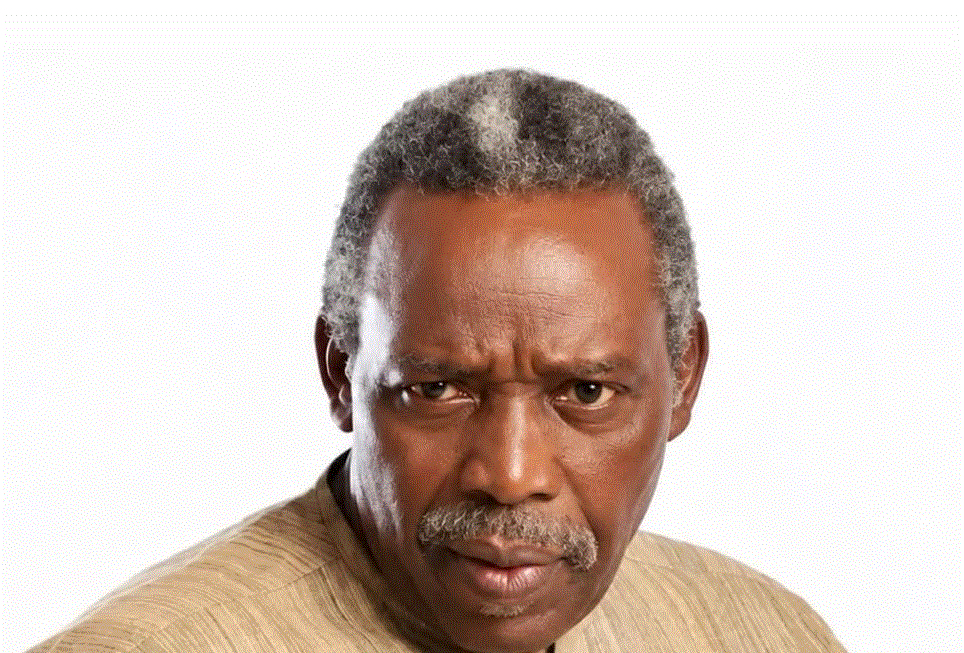
Olu Jacobs was already an established international actor long before many African viewers knew him as the stern father, traditional ruler or powerful businessman who could silence an entire room with a single look.
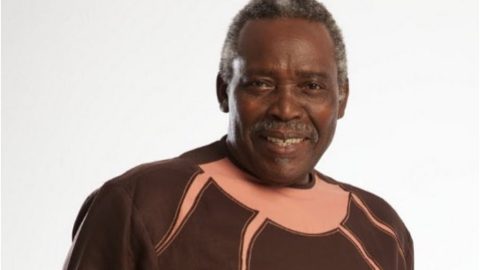
Following his death at the age of 84 on September 16, 2026, attention has naturally turned to the career he built over more than five decades. For many fans, Jacobs will forever be associated with Nollywood, but his acting journey began much earlier and took him through British theatre, television and international cinema.
Born Oludotun Baiyewu Jacobs in Kano on July 11, 1942, he developed an interest in acting while growing up in northern Nigeria. A performance by renowned Nigerian theatre pioneer Hubert Ogunde reportedly strengthened his desire to pursue acting. He eventually travelled to Britain to study drama, beginning a journey that would take him much further than he may have imagined.
Here are five details that help tell the wider story of the actor beyond his Nollywood fame.
His acting journey started on the British stage
Before he became a familiar face in Nigerian cinema, Jacobs was earning his place in British theatre.
After training at the Royal Academy of Dramatic Art in London, he began working professionally in theatre. One of his early recorded stage appearances came in 1972, when he played The Boy in A Taste of Honey at Sheffield’s newly opened Crucible Theatre.
He later took on more substantial stage work, including the role of President Mageeba in Tom Stoppard’s Night and Day in 1978. His theatre career also included work with major British theatrical institutions.
This background helps explain the measured delivery and commanding presence that later became part of his screen identity. Theatre does not give an actor the luxury of simply waiting for an editor to rescue a weak scene. You have to hold the room yourself.
Jacobs clearly learned how to do that.
RADA was part of his early professional training
Jacobs was not simply a naturally talented performer who found his way into films. He received formal training at the Royal Academy of Dramatic Art, one of Britain’s best-known drama schools.
His time at RADA came before the international screen roles and the Nollywood fame. He was learning the craft at a time when professional theatre remained a major route into acting in Britain.
That training became one of the foundations of a career that would eventually move comfortably between stage, television and film.
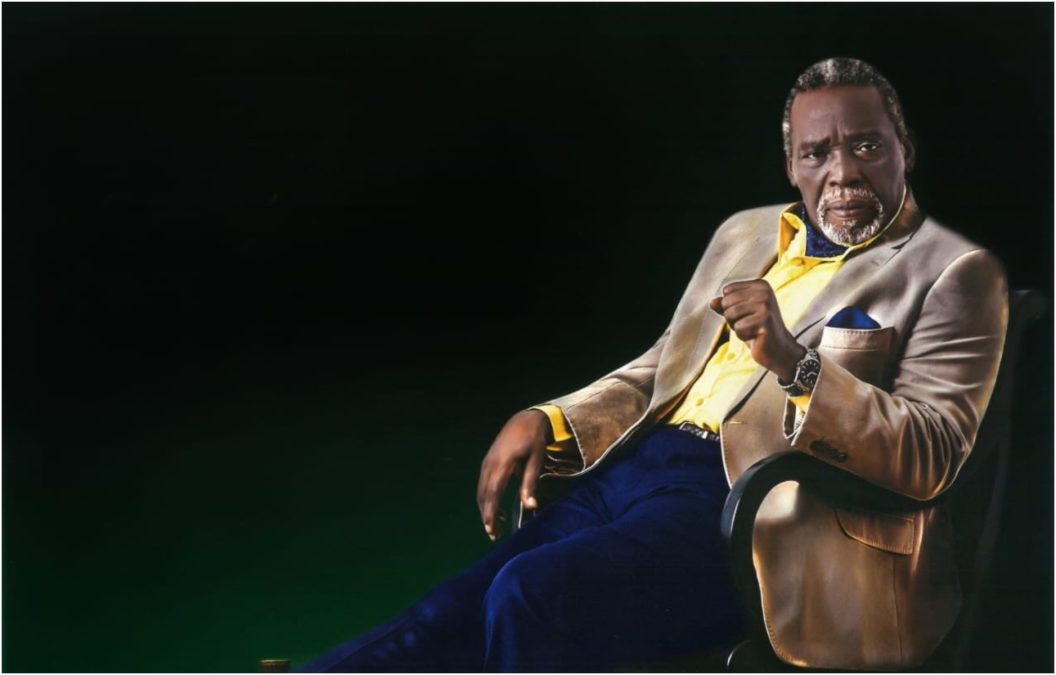
For younger audiences who encountered him mainly through Nigerian home-video films, this part of his story can be easy to miss. By the time Jacobs became a familiar Nollywood name, he had already spent years studying and practising the craft.
He appeared in British television shows many fans may recognise
Jacobs’ résumé from the 1970s reads almost like a tour through British television of the period.
He appeared in programmes including The Goodies, Till Death Us Do Part, Barlow at Large, The Venturers, Angels, The Tomorrow People and The Professionals.
That meant he was working in British television years before Nigeria’s home-video industry grew into the enormous film business now known around the world as Nollywood.
His television work also showed the range required of an actor working in a foreign industry. Instead of being tied to one familiar character type, Jacobs moved between different productions and roles.
He appeared in international films before Nollywood made him famous
Jacobs also had a place in international cinema.
His film credits included Ashanti in 1979, The Dogs of War in 1980, Baby: Secret of the Lost Legend in 1985 and Roman Polanski’s Pirates in 1986.
These were productions outside Nigeria, giving Jacobs experience in international film at a time when African actors had fewer opportunities to build visible careers in major overseas productions.
It is an interesting piece of his history because many people first encountered Jacobs through Nollywood and may therefore assume that Nigerian cinema was where his international acting career began.
In reality, he had already appeared in international productions before returning home.
His return to Nigeria was another major chapter
Jacobs returned to Nigeria around 1990 and quickly became a familiar television presence. One of his significant roles was Inspector Best Idafa in the NTA detective series The Third Eye, which ran from 1990 to 1993.
This was an important transition. The actor, who had spent years working in Britain, was now bringing that experience back into Nigeria’s growing entertainment industry.
From there, his career in Nigerian film and television expanded considerably. He eventually appeared in more than 100 Nollywood productions and became associated with characters ranging from traditional rulers and political figures to fathers, businessmen and other authority figures.
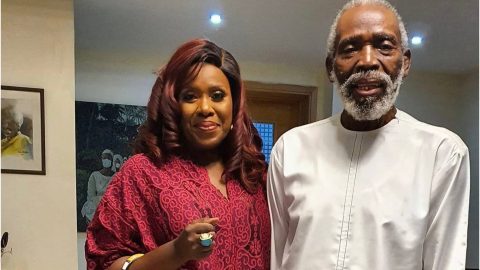
His contribution also extended beyond appearing in front of the camera. Jacobs and his wife, actress Joke Silva, co-founded the Lufodo Group, which includes the Lufodo Academy of Performing Arts.
That makes his legacy broader than a long list of film credits.
Olu Jacobs’ career was a journey between several worlds. He left Nigeria as a young man interested in acting, trained in Britain, worked on British stages and television, appeared in international films and eventually returned home to become one of the most recognisable figures in Nigerian cinema.
For fans who knew him mainly as the imposing patriarch in a Nollywood classic, there was a whole earlier career hiding behind that familiar face. The throne, the tailored suit and the stern family meeting may have become his trademark on screen, but Jacobs had already lived several acting lives before Nollywood gave him another one.