Advertisement
5 things to know about exercising during pregnancy
27th September, 2026 06:56 PM
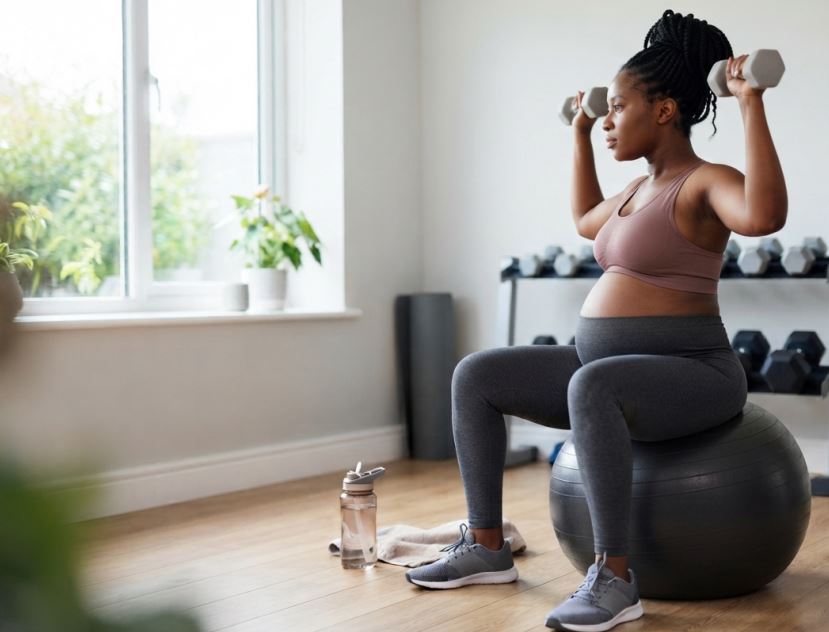
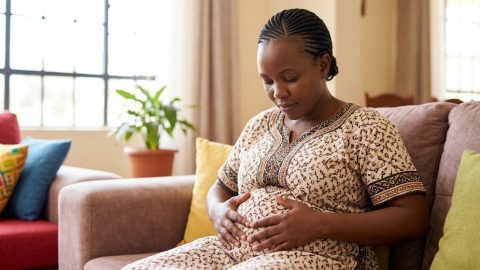
Pregnancy does not mean you have to hang up your gym shoes for nine months. While a growing belly, morning sickness and unpredictable energy levels can make exercise feel like the last thing you want to do, staying active can be beneficial for both mother and baby.
For women who enjoy lifting weights, running or taking long walks, pregnancy often comes with questions about which activities are safe and which ones need to be put on hold. Even simple movements can feel different as the body changes, and a workout that once felt effortless may suddenly leave you reaching for a chair and a bottle of water.
The good news is that most women with uncomplicated pregnancies can continue exercising with a few adjustments. Regular physical activity can help improve sleep, ease some pregnancy discomforts and support overall well-being. However, knowing how to exercise safely is just as important as finding the motivation to get moving.
Here are five important things every woman should know about exercising during pregnancy.
Your workout routine may need a few adjustments
Finding out you are pregnant does not automatically mean you must stop exercising. However, it is important to reconsider the intensity and type of workouts you do as your body changes.
Women who exercised regularly before pregnancy can often continue their routines, provided their healthcare providers approve. Activities such as walking, swimming, stationary cycling and modified strength training are generally suitable for many women with uncomplicated pregnancies.
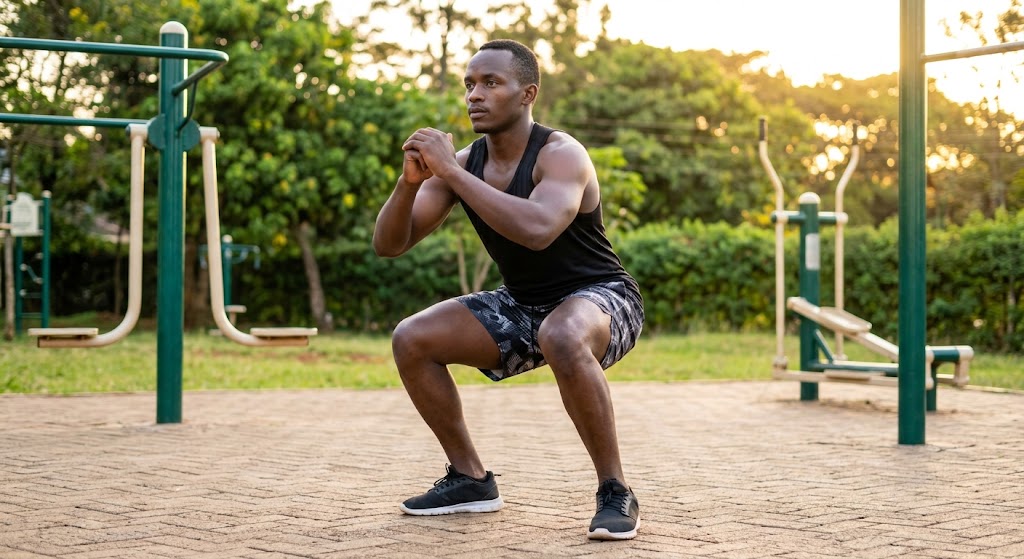
However, pregnancy is not the time to push your body to its limits. If you enjoy lifting weights, you may need to reduce the load, avoid straining and focus on controlled movements. Women who enjoy running may also need to slow down or switch to walking if running becomes uncomfortable.
For beginners, pregnancy can be an opportunity to develop a gentle exercise routine. Starting with short walks and gradually increasing activity can help build consistency without overwhelming the body.
The important thing is to understand that your fitness routine should adapt to your pregnancy rather than forcing your changing body to follow the same schedule.
Exercise can help ease some pregnancy discomforts
Pregnancy can bring a collection of physical discomforts, including back pain, constipation, swollen feet and restless nights. While exercise cannot eliminate every unpleasant symptom, regular movement may help ease some of these challenges.
Walking, for instance, encourages circulation and can help relieve the stiffness that comes from spending too much time sitting. Gentle stretching and pregnancy-friendly yoga may also help ease muscle tension, particularly around the hips and lower back.
Physical activity can also support bowel regularity, which may be helpful for women experiencing constipation during pregnancy.
Another benefit is improved mood. Hormonal changes, physical discomfort and worries about childbirth can sometimes leave expectant mothers feeling overwhelmed. Exercise may help reduce stress and improve sleep, making it easier to cope with the emotional demands of pregnancy.
However, exercise should not be treated as a cure for every pregnancy symptom. Persistent pain, severe swelling or unusual discomfort should always be discussed with a healthcare provider.
Your balance and flexibility may change
As your baby grows, your body undergoes physical changes that can affect how you move. Your centre of gravity shifts, your joints become more flexible and your posture may change as your belly gets bigger.
These changes can make certain exercises feel less comfortable or increase the risk of losing your balance.
Activities that involve sudden changes in direction, jumping or a high risk of falling may need to be avoided. Contact sports and exercises that could result in a blow to the abdomen are also unsuitable during pregnancy.
Women who enjoy yoga or Pilates should consider pregnancy-specific modifications rather than attempting demanding poses that place unnecessary pressure on the abdomen.
Strength training can remain part of a pregnancy routine for many women, but exercises should be performed with proper technique and without excessive straining.
As pregnancy progresses, simple movements such as getting up from the floor or maintaining balance during lunges may require more attention. There is no shame in holding onto a support or choosing a gentler variation.
Hydration and rest should be part of every workout
Pregnancy places additional demands on the body, making hydration and recovery particularly important during exercise.
Drinking enough water before, during and after a workout helps replace fluids lost through sweating and supports normal body functions. Exercising in hot conditions or wearing heavy clothing can make it harder to stay comfortable, so choose a cool environment and lightweight outfits.
It is also important to pay attention to hunger and energy levels. Pregnancy can make fatigue unpredictable, and trying to complete a demanding workout when you are exhausted may leave you feeling worse.
A comfortable pair of shoes, supportive workout clothing and a sports bra that fits properly can make movement easier as your body changes.
Rest days are equally valuable. You do not have to exercise every day to enjoy the benefits of physical activity. Shorter sessions spread throughout the week can be just as useful as longer workouts.
If your body is asking for a break, listen to it. Sometimes the most sensible fitness decision is to put your feet up and enjoy a quiet afternoon.
Know the warning signs that mean you should stop
Although exercise is generally safe for many pregnant women, certain symptoms require immediate attention.
Stop exercising and seek medical advice if you experience vaginal bleeding, chest pain, dizziness, painful contractions, fluid leaking from the vagina or shortness of breath before beginning physical activity.
Severe headaches, abdominal pain, unusual muscle weakness and pain or swelling in one calf are also warning signs that should not be ignored.
Pregnant women should also avoid prolonged periods lying flat on their backs during exercise, particularly after about 20 weeks of pregnancy, because this position can affect blood circulation.
Women with certain medical conditions or pregnancy complications may need to avoid specific exercises or follow an individually tailored activity plan.
Before beginning a new routine or continuing an intense workout programme, speak to your doctor or midwife about what is appropriate for your pregnancy.
The goal is to stay active without putting yourself or your baby at unnecessary risk.