Advertisement
How to rebuild core strength safely after a C-section or abdominal surgery
24th September, 2026 01:31 PM
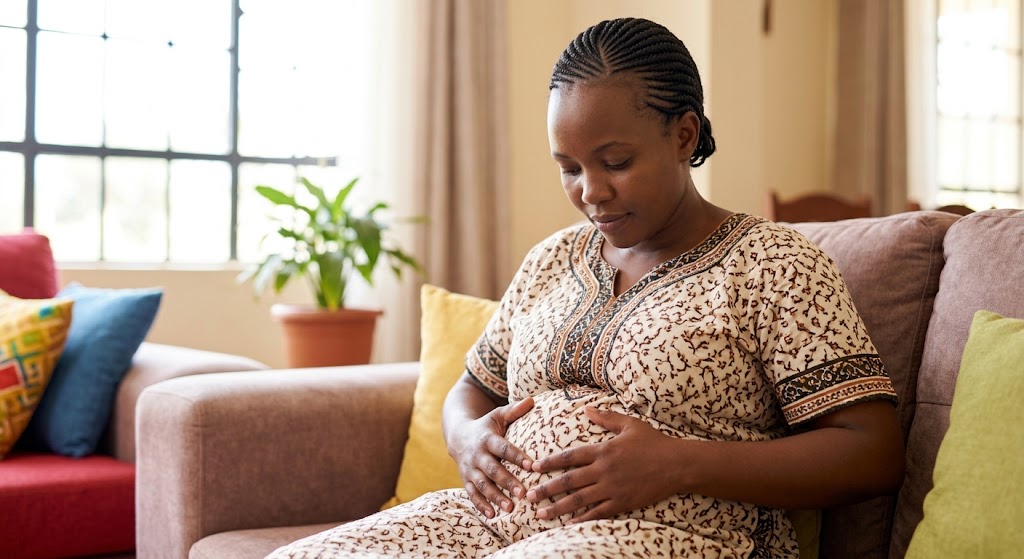
Having a baby through a caesarean section is a major abdominal surgery that involves cutting through multiple layers of tissue.
While society often pressures new mothers to “bounce back” quickly, your body needs real time and patience to heal properly.
Rushing into crunches or planks too soon can cause harm, stretching still-weak abdominal muscles and straining your scar.
Rebuilding your core is not about aesthetics or getting flat abs for photos; it is about restoring stability so you can carry your baby, walk comfortably, and move without pain.
Start with gentle breathing and pelvic floor work
Before starting any routine, getting medical clearance from your healthcare provider at your six-week postpartum check-up is essential.
Once cleared, focus on the deepest layer of your core: the transverse abdominis and the pelvic floor. These muscles act as an internal corset that supports your spine and organs.
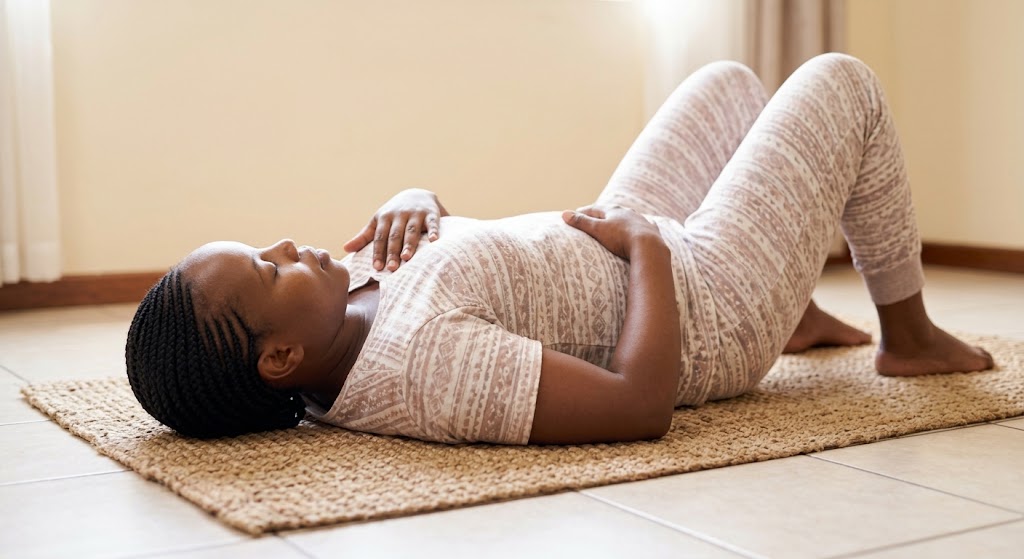
Diaphragmatic breathing is the safest way to reintroduce movement. Lie on your back with your knees bent, inhale deeply into your ribs, and softly draw your belly button toward your spine as you exhale.
Research published in the Journal of Physical Therapy Science found that “the deep core stability exercise program is effective in treating diastasis recti and improving postpartum women’s quality of life.”
Combine light breathwork with gentle pelvic floor squeezes to activate dormant muscles without putting pressure on your incision. If you feel pulling, sharp discomfort, or heavy pressure, stop right away.
Progress to slow functional movements
When basic breathing feels easy and painless, you can gradually introduce low-impact movements like pelvic tilts, modified glute bridges, and heel slides.
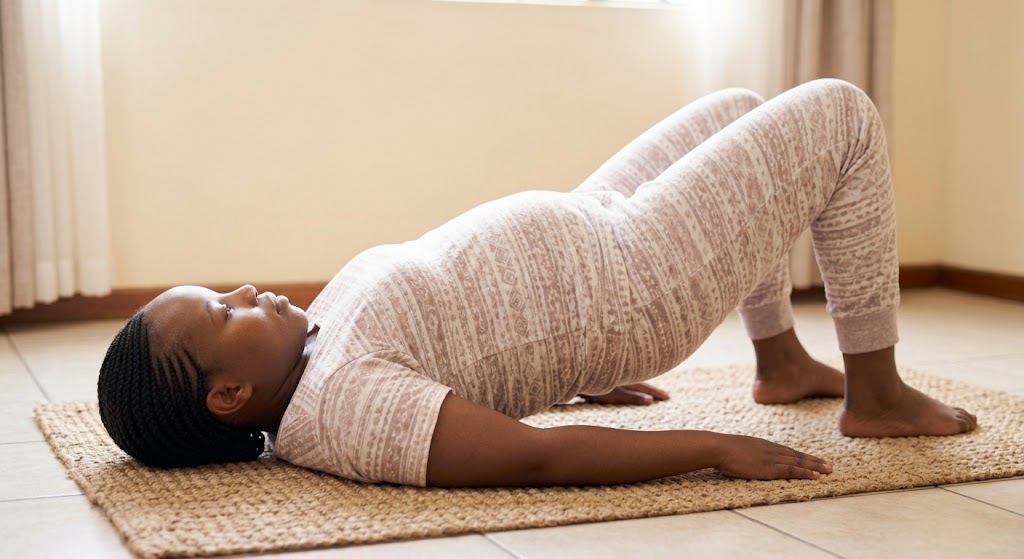
Steer clear of sit-ups, leg raises, or heavy weights during the early stages, as these exercises increase pressure inside the abdomen and can worsen muscle separation.
Pay close attention to how your body responds. Look out for any bulging or “doming” down the middle of your stomach when you move, which is a clear signal that your core is not ready for that load.
Real recovery takes months, not weeks. Prioritise how strong and stable you feel in your daily routine rather than what you see in the mirror.