Advertisement
‘Speak up for your kids’ – Lilian Ng’ang’a tells parents to challenge school decisions
24th September, 2026 12:34 PM
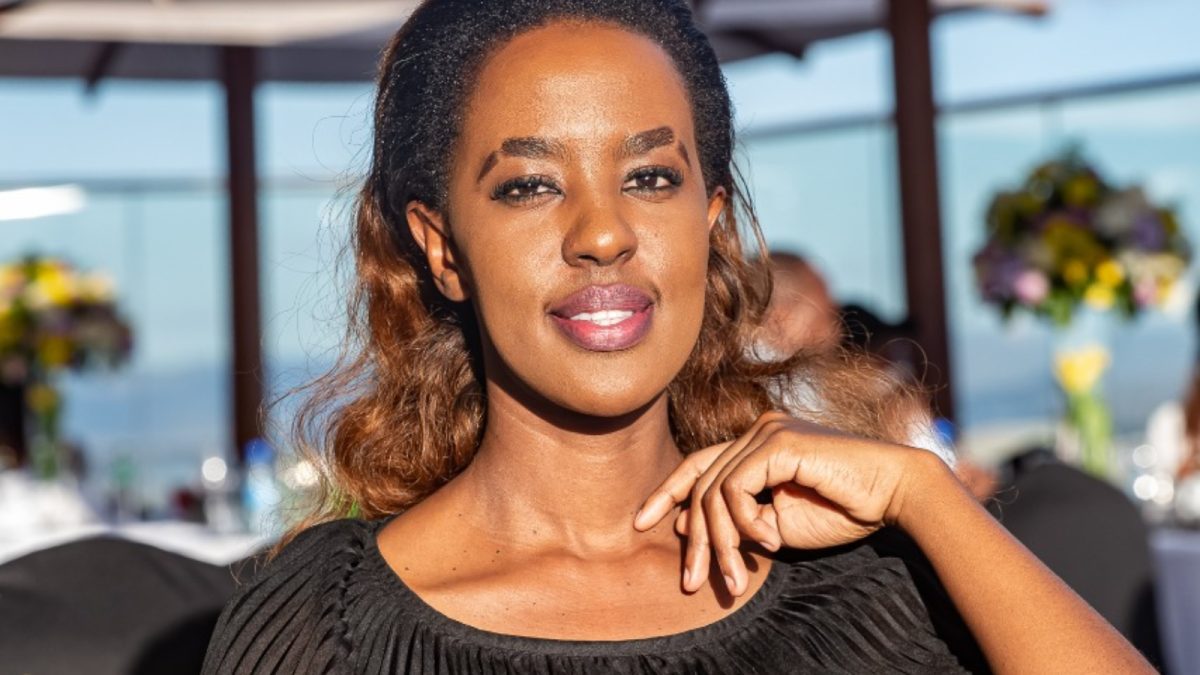
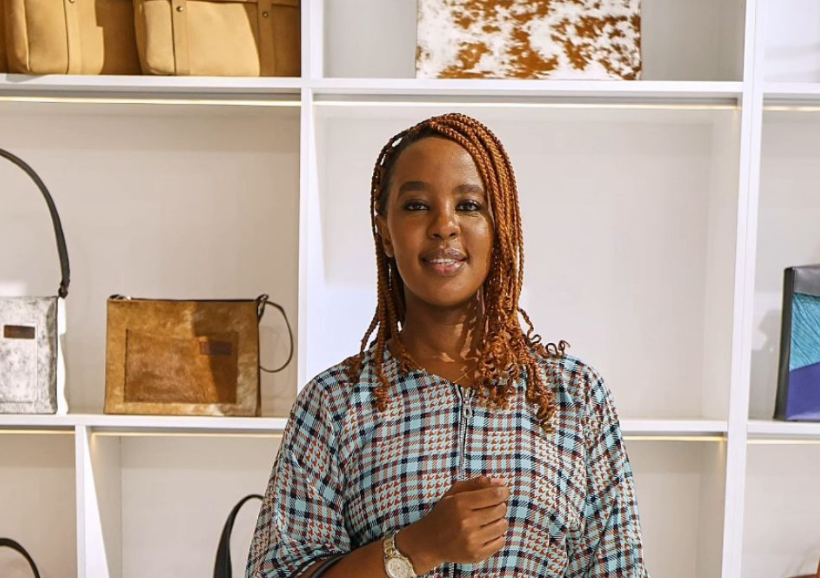
Kenyan celebrity Lilian Ng’ang’a has urged parents to speak up for their children when they disagree with activities or decisions made at school, stressing the importance of open communication between parents and teachers.
In a post shared on Thursday, September 24, 2026, Ng’ang’a asked parents, “Has your child’s school done something you spoke up against?” She said sharing opinions can help create a respectful relationship between parents and teachers, adding that children ultimately benefit when they feel considered and loved.
Don’t rush childhood
In a video accompanying the message, Ng’ang’a spoke about allowing children to learn and develop at their own pace rather than rushing them through childhood.
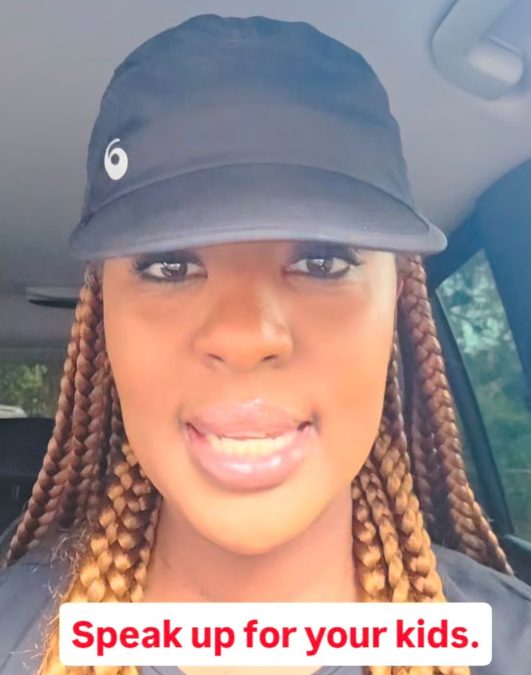
She recalled seeing a video of children taking part in a game that involved dressing themselves. One boy struggled because he had not been taught how to dress himself, while others laughed as he tried to complete the activity.
Ng’ang’a said the situation made her uncomfortable because, in her view, the child should have been prepared before being placed in such a situation.
She also explained that her own child enjoys the process of trying to dress himself, including “getting it right and getting it wrong,” reinforcing her view that children need time and support as they learn new skills.
Parents should speak up
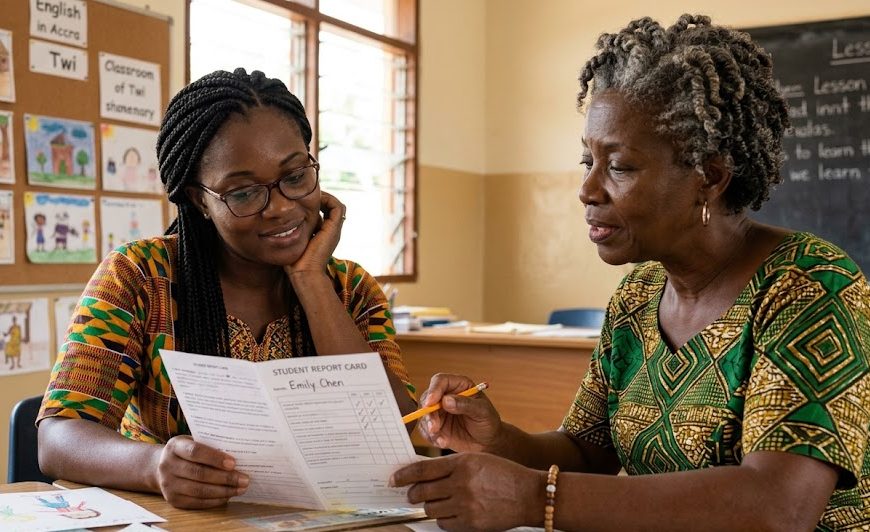
Ng’ang’a encouraged parents not to remain silent because they feel intimidated by teachers or educators.
She connected the issue to how some people grew up being afraid to question teachers, saying parents should not carry that fear into how they advocate for their children.
She urged parents to tell teachers when their children are not ready for a particular activity instead of allowing them to struggle publicly.
Her message has therefore centred on creating a relationship where parents can express concerns respectfully while educators listen and work with them.
For Ng’ang’a, speaking up is not about undermining teachers but ensuring children are supported, understood and protected from situations that could leave them feeling embarrassed or excluded.