Advertisement
How to read a food nutrition label properly
23rd September, 2026 10:50 AM
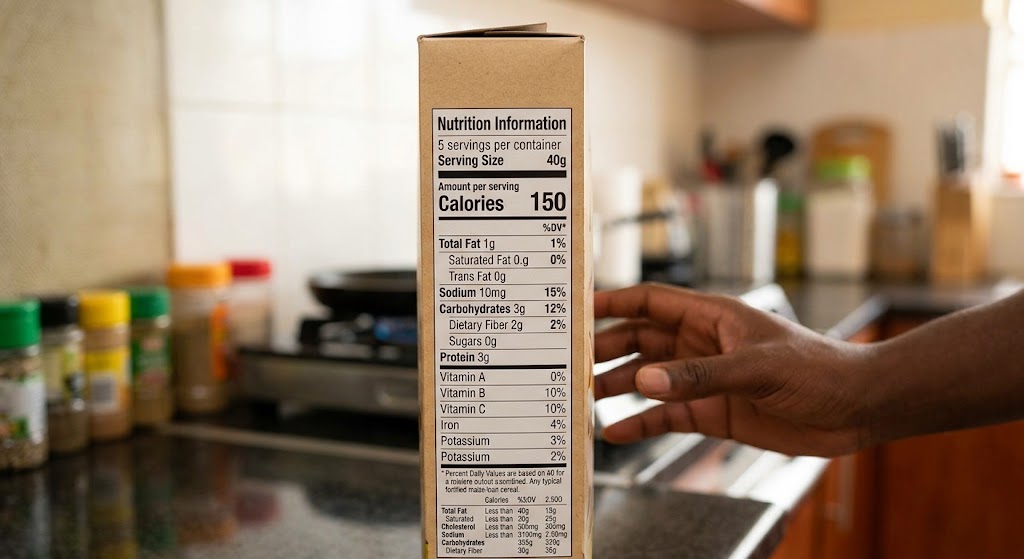
Choosing healthy groceries in a supermarket often feels like a guessing game. Brightly coloured boxes make big promises, but the true picture of what’s inside is always found in the same place: the nutrition panel on the back or side.
For everyday shoppers, unlocking this information is the key to intentional purchasing. This simple health literacy skill cuts through marketing noise and puts families back in control of their health decisions, turning a confusing trip down the aisle into an efficient shop for nutritious food.
Understanding the numbers is easier than most people think and can quickly improve how families eat.
Start with serving sizes and daily values
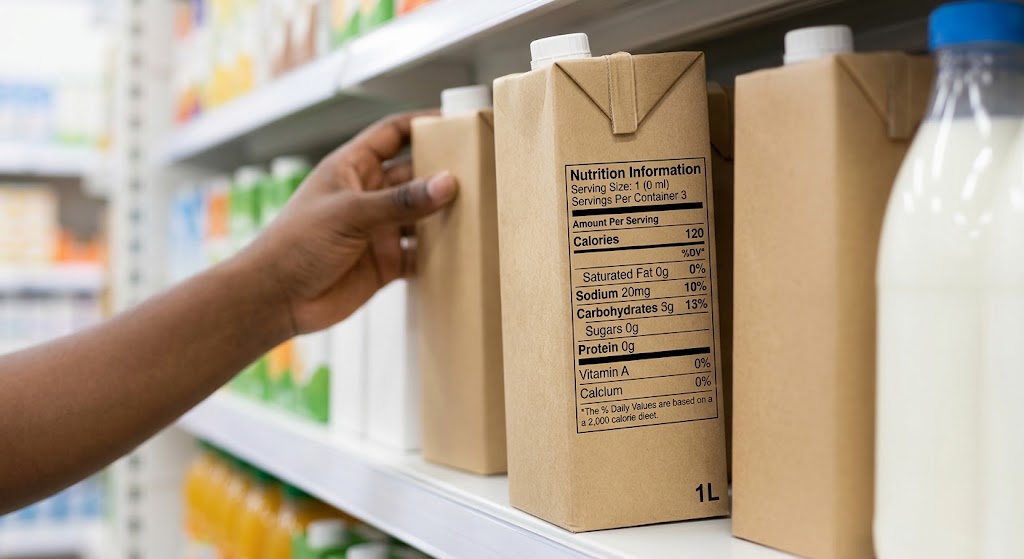
Every nutrition label starts with the serving size and the number of servings per container. A 500ml bottle of flavoured milk or a small bag of roasted peanuts often contains two or three servings rather than one.
Consuming the entire package doubles or triples the listed calories, fat, and sugar. Check the serving size first to ensure that the daily portion calculation remains accurate.
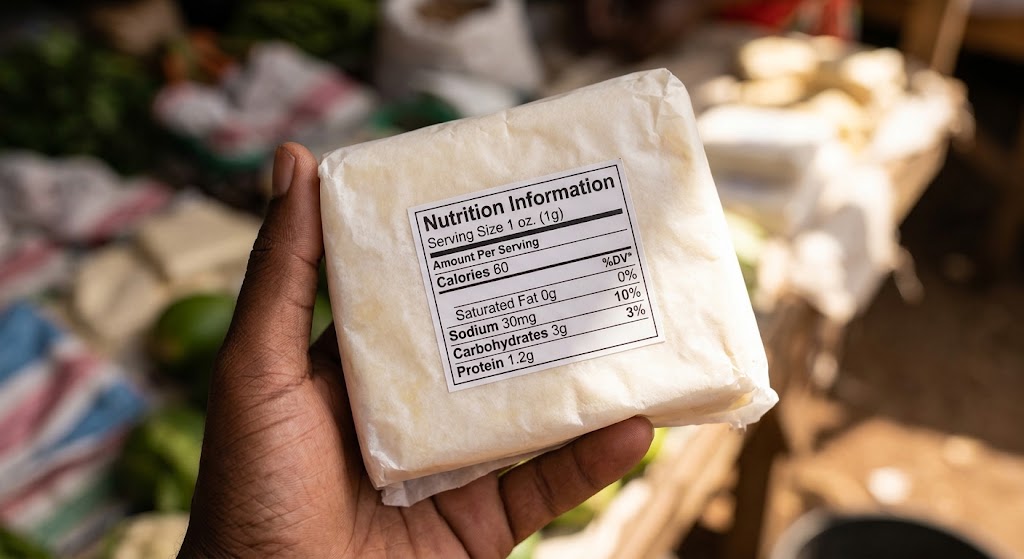
Below the serving size, the percentage Daily Value (per cent DV) shows how much a single serving contributes to a standard 2,000-calorie daily diet.
A reliable guideline helps simplify these numbers: 5 per cent DV or less is considered low, while 20 per cent DV or more is high. This simple rule makes it easy to identify foods heavy in saturated fat or sodium.
Research published in the National Institutes of Health repository notes that “prior nutrition knowledge can facilitate comprehension of, and memory for, food label nutrition information.”
Knowing these basic numbers allows shoppers to compare two similar items on a shelf within seconds.
Spotting hidden sugars and high sodium
The ingredients list shows what actually goes into the product, arranged in order of weight from highest to lowest. Food manufacturers sometimes use multiple types of sugar so that no single sweetener appears at the top of the list.
Words ending in “ose”, such as sucrose, fructose, glucose, and maltose, are all added sugars. Syrups, honey, and fruit juice concentrates also boost total calories without adding beneficial vitamins or minerals.
Sodium follows a similar pattern on packaged food labels. Beyond common table salt, sodium hides under names like monosodium glutamate (MSG), sodium benzoate, and disodium phosphate.
Instant noodles, seasoning cubes, and tinned sauces frequently pack high sodium levels. Selecting products where salt and sugars sit near the end of the ingredient list keeps daily nutrition balanced and affordable.