Advertisement
How to avoid supermarket middle-shelf traps while shopping
19th August, 2026 08:07 PM
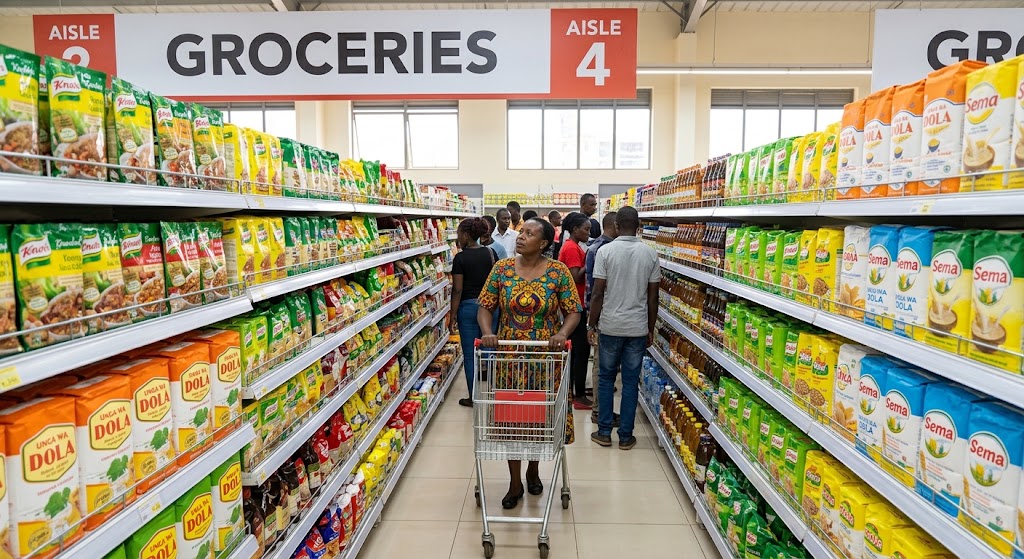
Walking down a supermarket aisle in Kenya feels simple enough, but where items sit on a shelf is no accident. Supermarkets arrange products to direct how shoppers spend their money long before they reach the cash register.
Big-name brands with high price tags sit right in front of your eyes. Retailers call this middle section the target zone because it catches your attention the moment you walk past.
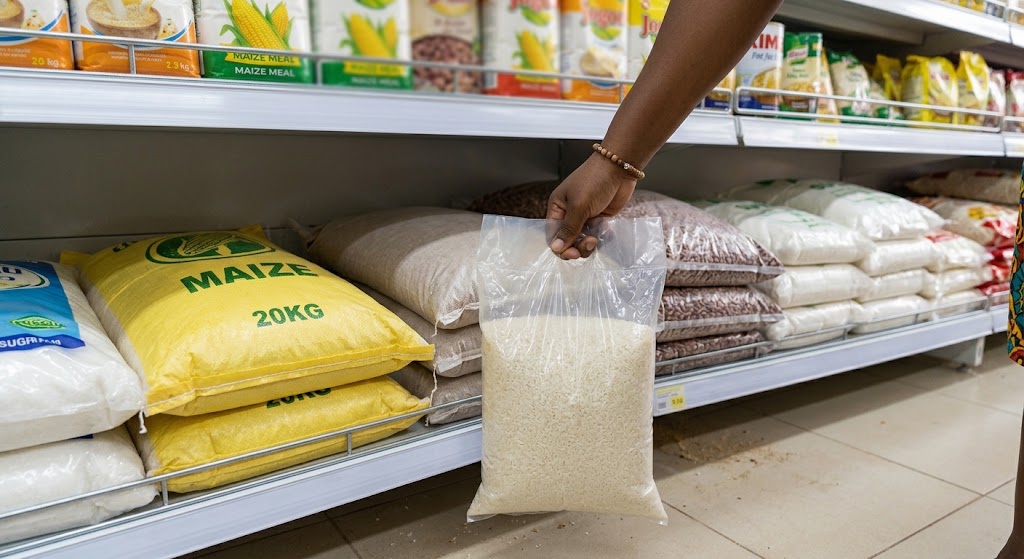
Economical bulk goods, local staples, and basic store brands sit out of sight on the bottom shelves.
Why stores put expensive items at eye level
Retailers give the best shelf space to products that make the business the highest profit margin. Most shoppers scan store displays from left to right at eye level, so items placed in direct sight sell much faster than items positioned near the floor.
Research published in the Journal of Retailing notes that “consumers make price inferences based on products’ vertical shelf space position (i.e., higher equals better and more expensive)”.
This layout tricks shoppers into assuming that bottom shelves hold inferior goods. In reality, those bottom rows usually hold the exact same basic foods in plain bags without expensive brand labels or heavy marketing budgets added to the final tag.
How looking down saves real money
Breaking the habit of reaching for middle shelves brings quick financial relief to household budgets. Taking a moment to look at the bottom shelf reveals unbranded maize flour, rice, beans, sugar, and lentils at much lower prices per kilogram.
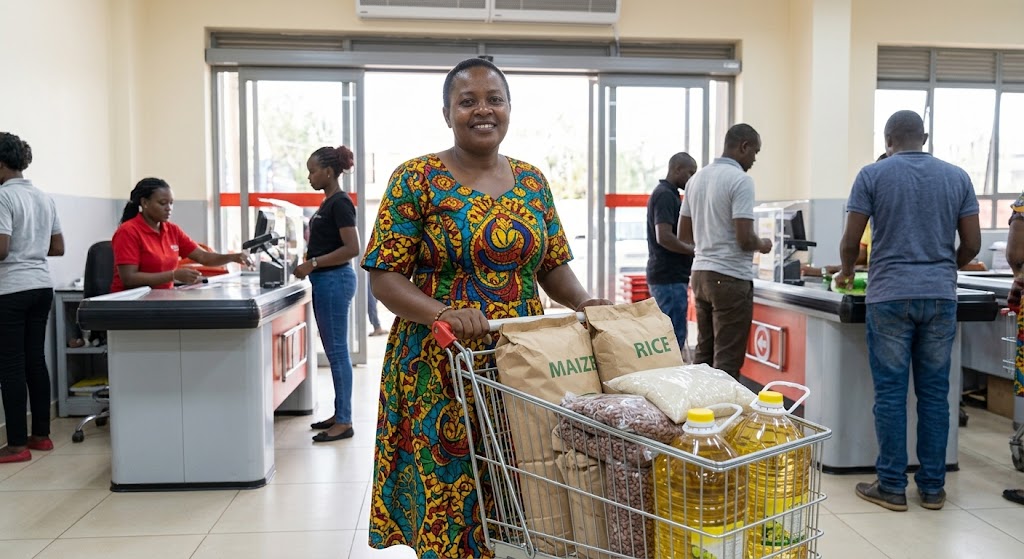
Fancy packaging and television advertisements add extra costs to basic items without improving food quality or nutritional value.
For a household spending Ksh10,000 on groceries every week, switching to bottom-shelf options cuts the total checkout bill by about 20 percent. That puts Ksh2,000 back into your pocket every single week, saving Ksh8,000 across a single month.
Making this simple change during routine shopping trips protects family finances against rising living costs.
Training your eyes to look down before your hands reach out turns normal grocery trips into an easy, effective way to cut expenses across Kenya.