Advertisement
How price tags ending in 99 trick your brain
23rd July, 2026 11:25 AM
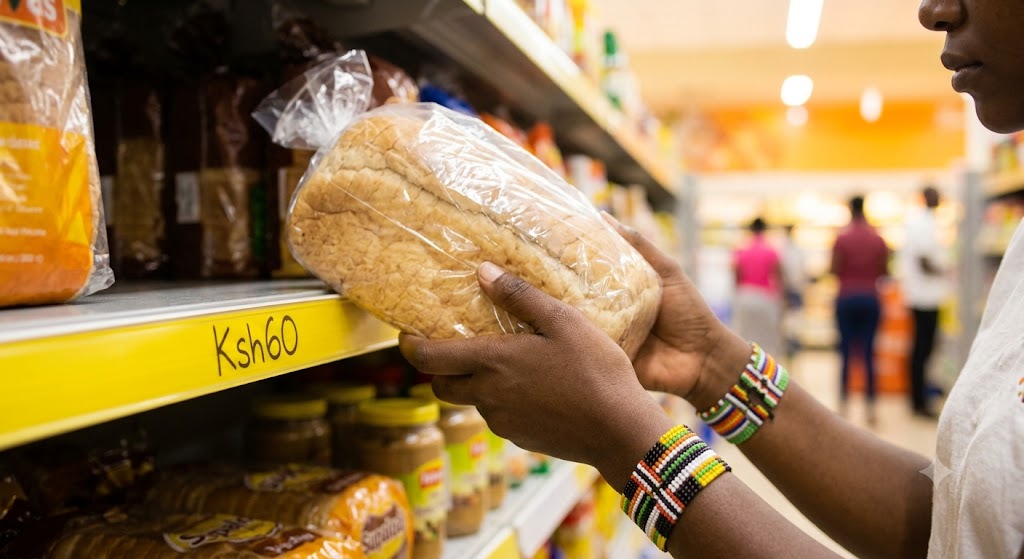
Walk into any supermarket across Kenya, and you will quickly spot prices like Ksh999 instead of Ksh1,000, or Ksh4,999 instead of Ksh5,000.
That single shilling difference looks tiny, but it easily sways everyday buying choices. Whether picking up a packet of unga, cooking oil, or a new mobile phone, shoppers fall for this pricing tactic every day.
Supermarkets rely on a well-known mental habit called left-digit bias, which shapes how people evaluate costs long before reaching the cashier.
How the brain reads price tags
When looking at a price tag, the human brain reads digits from left to right in a split second. Because the leftmost figure hits the eyes first, the mind locks onto that starting number before digesting the rest of the price.
An item tagged at Ksh999 instantly registers as nine hundred something rather than one thousand. That quick mental shortcut creates the impression of a genuine bargain, making the price feel far cheaper despite the tiny gap.

Science backs up why this happens so consistently.
In a June 2005 study published in the Journal of Consumer Research, researchers Manoj Thomas and Vicki Morwitz showed that “nine-ending prices are perceived to be smaller than a price one cent higher” whenever the change alters the leftmost digit.
Because the brain processes the first digit before the rest, that initial number sets a strong mental anchor. Retailers use this basic psychological tendency to make everyday household goods look much more affordable.
Simple ways to protect your budget
This trick works best when shoppers are rushed, tired, or managing a long shopping list. When moving quickly through store aisles, the human brain prefers fast estimates over complete arithmetic.
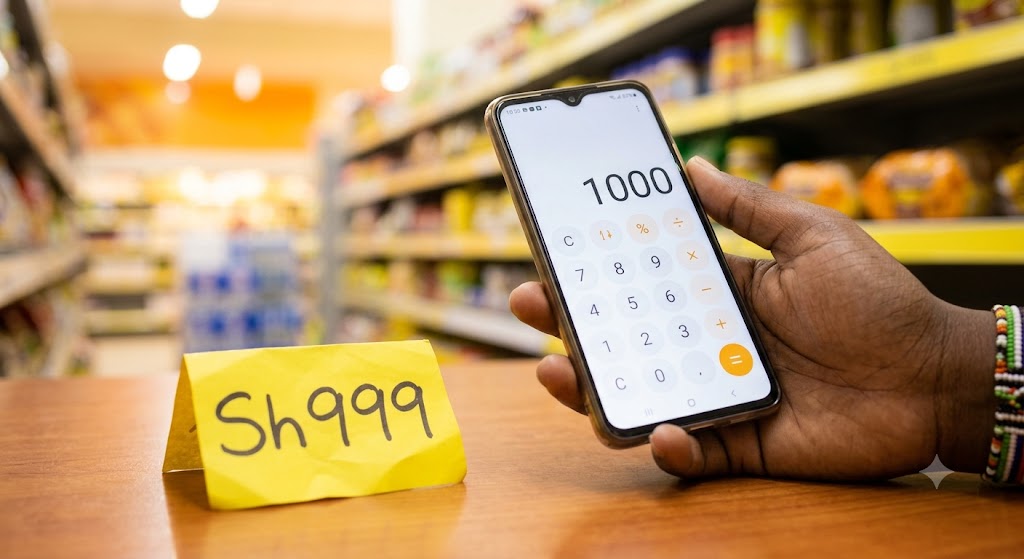
Recognising this simple trigger helps buyers maintain strict control over household expenses.
Beating the illusion requires one simple habit during everyday shopping trips: automatically rounding up every price tag.
Treating Ksh999 as Ksh1,000 or Ksh1,999 as Ksh2,000 neutralises the mental hook right away. By training the mind to round numbers up before placing items in the shopping trolley, consumers can make clear choices based on actual costs rather than clever shelf displays.