Advertisement
How to protect your money from inflation in 2026
10th July, 2026 02:05 PM
Kenya’s inflation eased slightly to 6.4 per cent in June, down from 6.7 per cent in May, but that is still nearly double what most savings accounts pay you.
If your money sits in an ordinary bank account earning 3 to 4 per cent, you are quietly losing purchasing power every month, even while your balance looks unchanged.
The good news is that a few low-effort moves can help your shillings keep pace with rising prices, or even beat them.
Where your money can actually outrun inflation
Treasury bills remain one of the safest options for ordinary savers. As of the most recent Central Bank of Kenya auction, the 91-day bill was offering 8.83 per cent and the 182-day bill 8.96 per cent, both comfortably above the current inflation rate and exempt from withholding tax for individual investors.
You can buy in through DhowCSD, the CBK’s own mobile platform, with a minimum of Ksh100,000.

Money market funds are a gentler entry point if you have less to set aside. Many licensed funds in Kenya are currently paying returns in the 9 to 11 per cent range, though a 15 per cent withholding tax applies, and unlike T-bills, you can withdraw within days rather than waiting out a fixed tenor.
For savers thinking beyond the short term, dividend-paying shares on the Nairobi Securities Exchange and productive land remain the classic inflation hedges, since both tend to hold or grow their value as prices rise, though they carry more risk and demand more patience than government paper.
Why financial habits matter as much as the product you pick
Choosing the right instrument only works if the underlying saving habit is solid. A 2026 review in the Journal of Risk and Financial Management, which examined 109 studies on financial literacy and saving behaviour across both developed and developing economies, found that knowledge alone rarely translates into better financial decisions.
The researchers note that “FL (Financial Literacy) alone appears insufficient to fully explain saving and debt decisions,” with saving and debt outcomes shaped just as much by self-control, risk tolerance and social pressures as by financial knowledge itself.

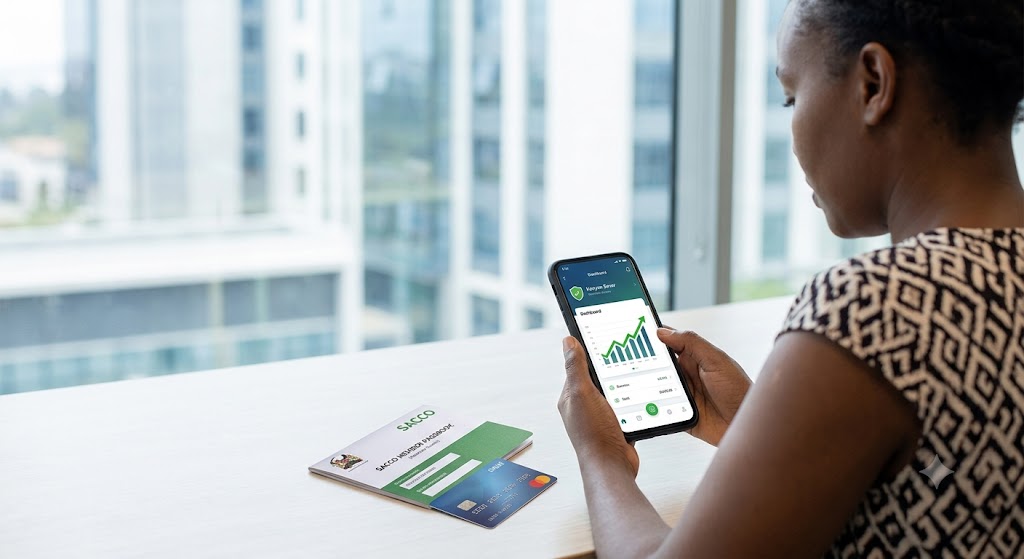
For Kenyan savers, this plays out in familiar ways: automating transfers into a money market fund or SACCO the moment your salary lands removes the temptation to spend first and save what is left, which is often the real difference between a plan and a habit.
Understanding how the CBK benchmark lending rate affects you also helps you time these decisions better, since T-bill and MMF returns move with it.
Full auction results and how to bid are available directly on the CBK Treasury Bills page.