Advertisement
Foods that are surprisingly high in caffeine
13th July, 2026 12:14 PM
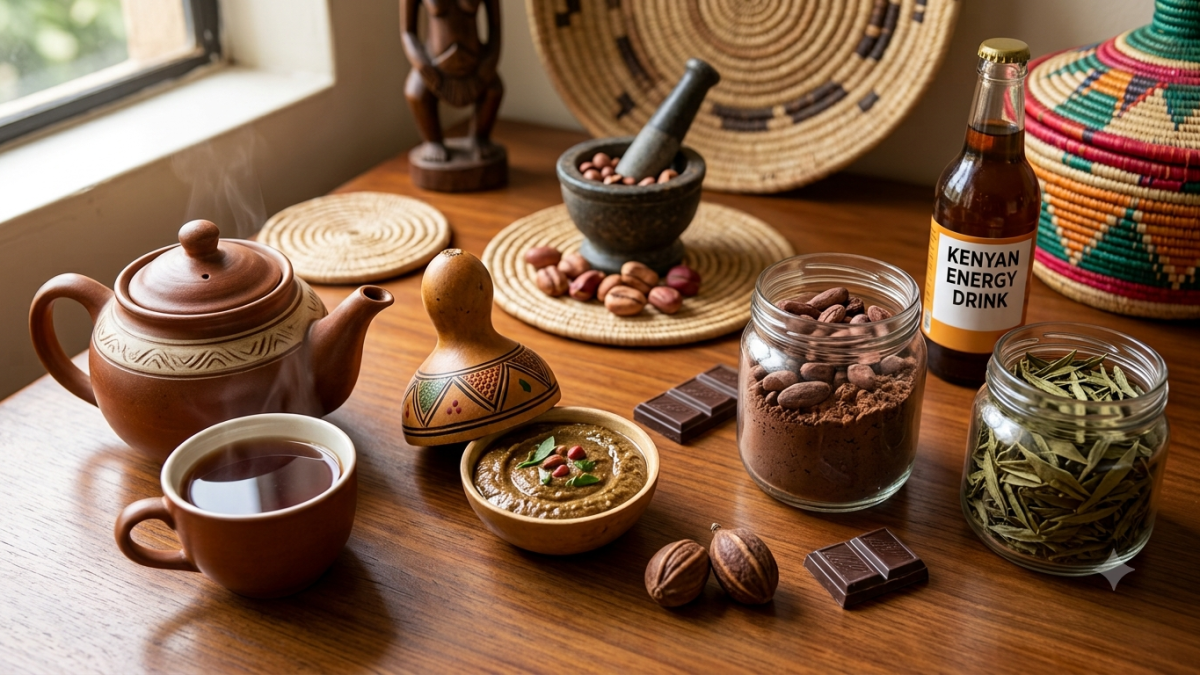
For many people, coffee or a cup of tea is the first thing that comes to mind when caffeine is mentioned. However, nutrition experts say caffeine can also be found in several everyday foods and drinks that are often overlooked.
This means that by the end of the day, someone may have consumed far more caffeine than they realise without ever drinking multiple cups of coffee.
According to the World Health Organization (WHO), moderate caffeine intake is generally considered safe for most healthy adults. However, pregnant women are advised to limit caffeine intake to less than 200 milligrams a day, while people with anxiety, heart conditions or sleep difficulties may be more sensitive to its effects.
Here are some surprisingly common foods and drinks that contain caffeine, along with the nutritional benefits they offer.
1. Dark chocolate
Dark chocolate is made from cocoa solids, which naturally contain caffeine. Depending on its cocoa content, 100 grams of dark chocolate can contain between 40 and 50 milligrams of caffeine.
Despite its caffeine content, dark chocolate is rich in antioxidants known as flavonoids, which may help protect the heart by improving blood circulation and reducing inflammation. It also provides iron, magnesium and copper, nutrients that support healthy blood, muscles and nerve function. The key is enjoying it in moderation because it is also high in calories.

2. Energy drinks
Energy drinks are among the biggest hidden sources of caffeine. Many brands contain 80 to over 150 milligrams of caffeine in a single can, while some contain even more depending on the serving size.
Besides caffeine, many energy drinks include B vitamins, which help the body convert food into energy. However, they also tend to be high in sugar, and regular consumption may increase the risk of weight gain and tooth decay. The World Health Organization advises limiting sugary drink intake as part of a healthy diet.
3. Certain pain relief medicines
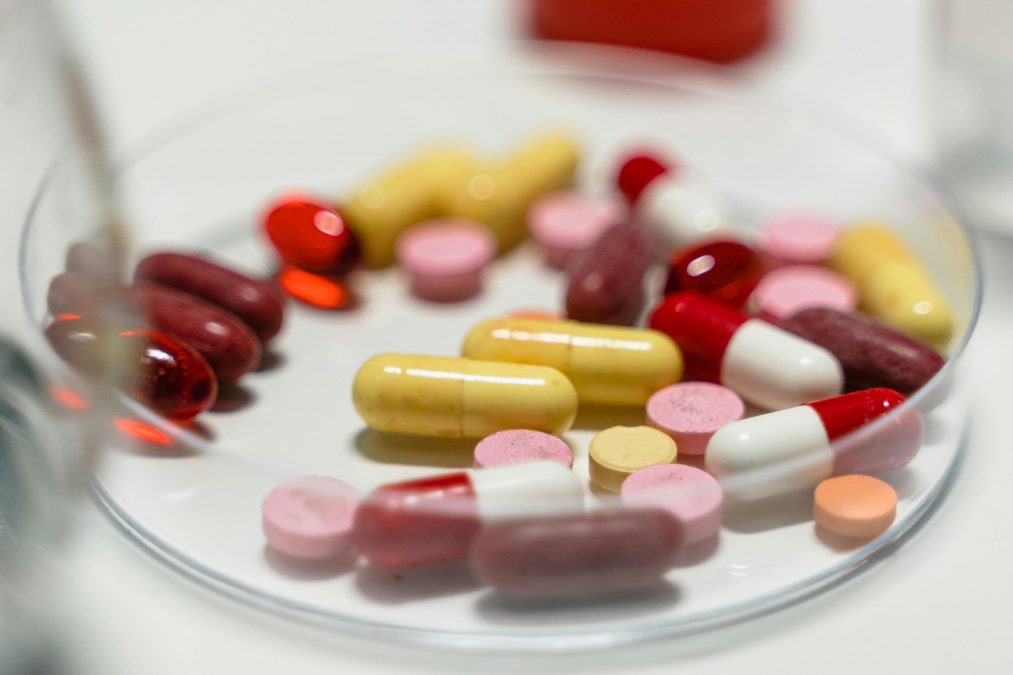
Some over-the-counter headache and migraine medicines contain added caffeine because it can improve the effectiveness of pain-relieving ingredients and help them work faster.
While caffeine itself is not a nutrient, its inclusion in these medicines means it contributes to the day’s total intake. According to guidance from the Kenya Pharmacy and Poisons Board, anyone taking such medication while also drinking coffee, tea or energy drinks could unknowingly consume large amounts of caffeine. Reading medicine labels and following dosage instructions is therefore important.
4. Herbal teas with added caffeine
Although many herbal teas are naturally caffeine-free, some blends contain ingredients such as guarana, yerba mate or added green tea extract, all of which naturally provide caffeine.
These teas may also contain herbs that support hydration, digestion or relaxation depending on the ingredients used. Reading the packaging can help consumers know whether a particular herbal tea contains caffeine, especially if it is marketed as an energy or wellness drink.
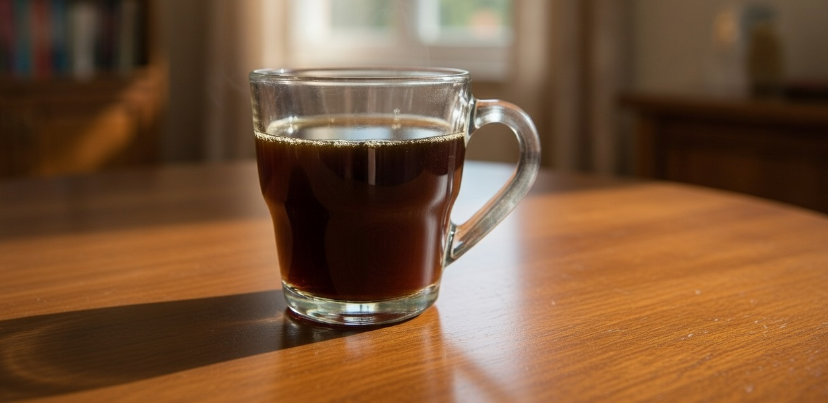
5. Fizzy soft drinks
Several cola-based soft drinks contain caffeine alongside sugar and flavourings. The caffeine content is usually lower than that of coffee, but regular consumption throughout the day can still contribute significantly to overall intake.
Soft drinks provide quick energy from sugar, but health experts recommend limiting their intake because excessive added sugar has been linked to obesity, type 2 diabetes and dental problems. Choosing water or naturally flavoured drinks more often supports better overall health.
6. Coffee-flavoured desserts and ice cream
Coffee-flavoured cakes, ice cream, mousses and desserts often contain real coffee or espresso, meaning they may also contain caffeine.
These desserts provide calcium if made with dairy products and can be an enjoyable occasional treat. However, eating them late in the evening may affect sleep in people who are sensitive to caffeine.

7. Cocoa drinks
Hot cocoa and chocolate-based drinks contain caffeine because they are made from cocoa powder. While the amount is generally lower than coffee, it still contributes to daily intake.
Cocoa is naturally rich in antioxidants that help protect body cells from damage. It also contains magnesium, which supports healthy muscles, nerves and bones. Preparing cocoa with low-fat milk can also increase calcium and protein intake.
Caffeine can improve alertness and concentration when consumed in moderation, but too much may lead to restlessness, anxiety, headaches, rapid heartbeat and difficulty sleeping. The effects are often greater when caffeine comes from several different foods and drinks consumed throughout the day rather than from one source alone.