Advertisement
Kenyan herbal teas you should be drinking for natural healing
13th May, 2026 09:17 AM

Most Kenyans grew up in a house where a cup of tea meant one thing: black tea, plenty of milk, sugar, and if you were lucky, some grated tangawizi stirred in for warmth.
But milk tea is only the beginning of Kenya’s tea culture.
Across the country, communities have long brewed their own infusions; from wild lemongrass gathered along riverbanks to moringa steeped before the morning warms up.
They are old knowledge, and slowly, the rest of the world is catching on.
Here are four worth knowing. And trying.
Tangawizi and lemongrass – the warming pair
Tangawizi (ginger) is perhaps the most versatile of the four.
Its sharp, spicy heat is immediately recognisable, and a single thumb-sized piece, sliced and simmered in water for ten minutes, produces a tea that warms the chest, clears the sinuses, and settles an uneasy stomach. Kenyans have long used it for nausea, colds, and general fatigue.
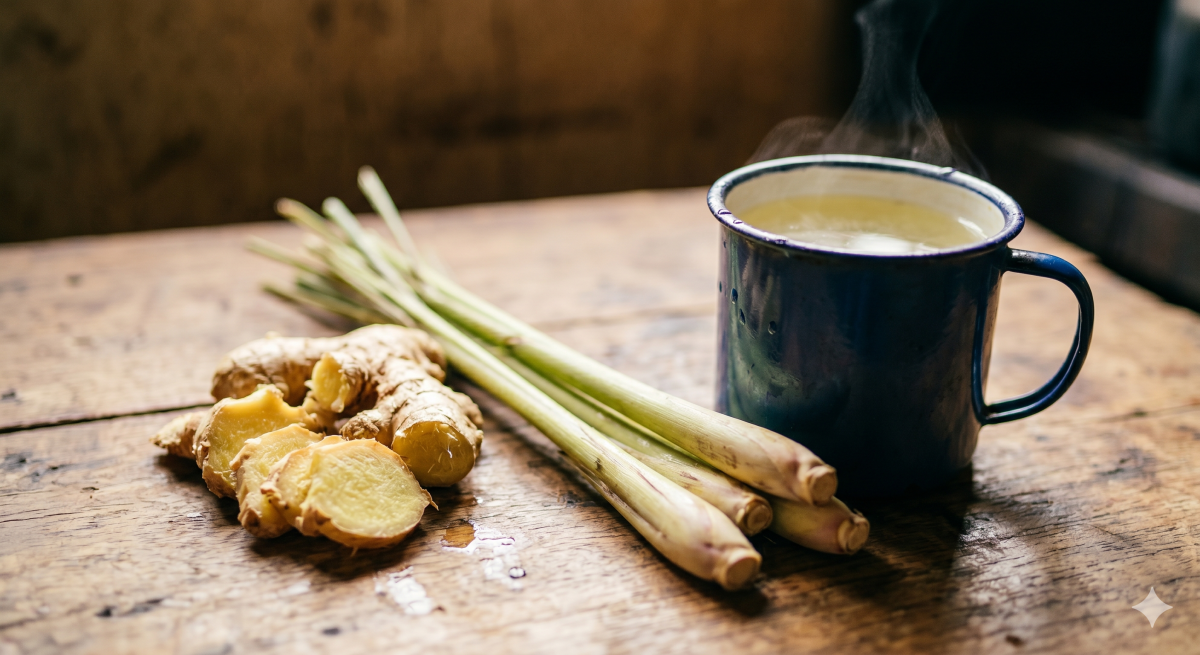
Lemongrass, mchaichai in Kiswahili, brings a calmer, citrusy brightness.
It grows easily (and wildly) across Kenya’s highlands and coastal regions, making it one of the most accessible herbs on this list.
Steep three or four stalks, lightly bruised, in hot water for five to seven minutes. The result is a pale, fragrant infusion that tastes like the countryside after rain.
The two make a natural pair, and science agrees.
A 2024 study published in Heliyon (Elsevier), which tested varying combinations of both herbs, found that the lemongrass-ginger blend “significantly affected antioxidant potential…and antimicrobial activities,” with preparation time mattering as much as quantity, and the sweet spot sitting at around ten minutes of simmering at a roughly equal ratio of both.
Moringa and managu – the green healers
Moringa may be the most nutritionally loaded item on this list.
The leaves of the Moringa oleifera tree, widely sold dried at Nairobi markets and health shops, are rich in vitamins A and C, calcium, iron, and protein.
A 2024 review in Oxidative Medicine and Cellular Longevity (Wiley) found that moringa’s health benefits are “attributed to the abundance of flavonoids, phenolic chemicals, and thiocyanates it contains,” with particular promise around managing inflammation and supporting neurological health.
To make the tea, steep a teaspoon of dried moringa leaf powder or a handful of fresh leaves in just-boiled water for five minutes.
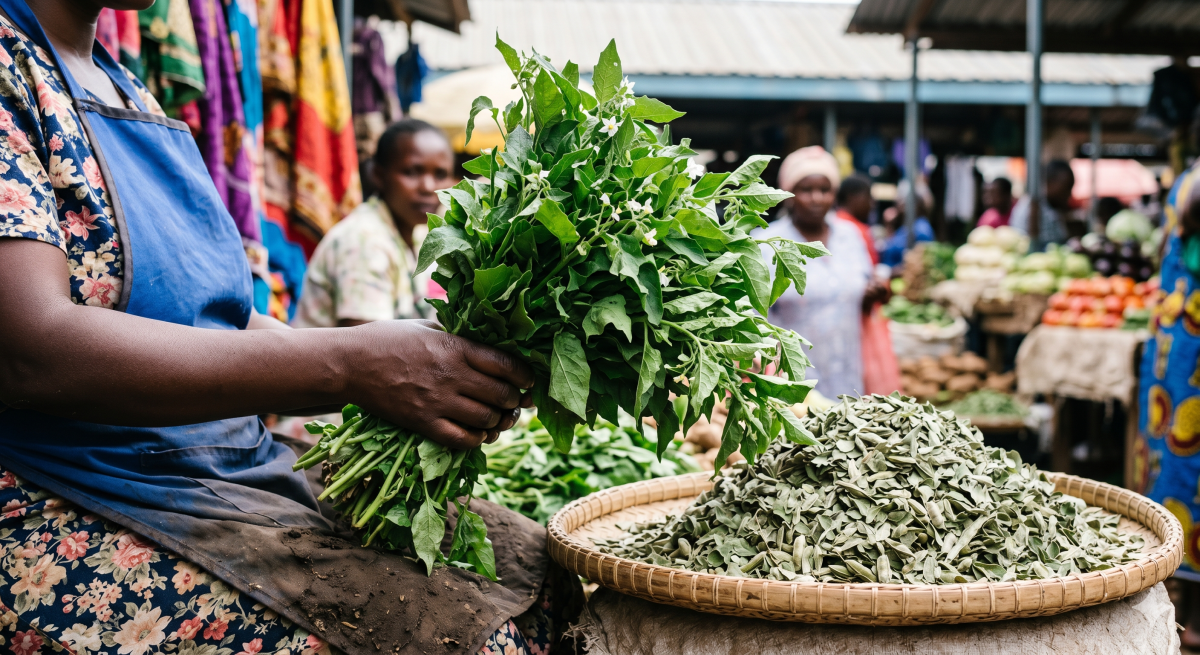
The flavour is mild and slightly earthy, not unlike green tea with a herbal edge.
Managu (African nightshade), meanwhile, is less commonly associated with teas and more with stews, but carries a long history in Kenyan traditional medicine, particularly among the Kikuyu, Luhya, and Kamba communities.
The leaves, rich in iron, calcium, and beta-carotene, are brewed simply: a small handful in simmering water for ten minutes, strained and served warm.
The taste is slightly bitter, softened nicely with a squeeze of lemon or a drizzle of honey.
None of these teas require special equipment, imported ingredients, or expensive teabags.
The most complicated thing about them is finding the time to actually sit down and drink them, which, for a busy adult, may well be the hardest part.