Advertisement
Why resting dough before cooking affects the final texture
04th August, 2026 12:29 PM
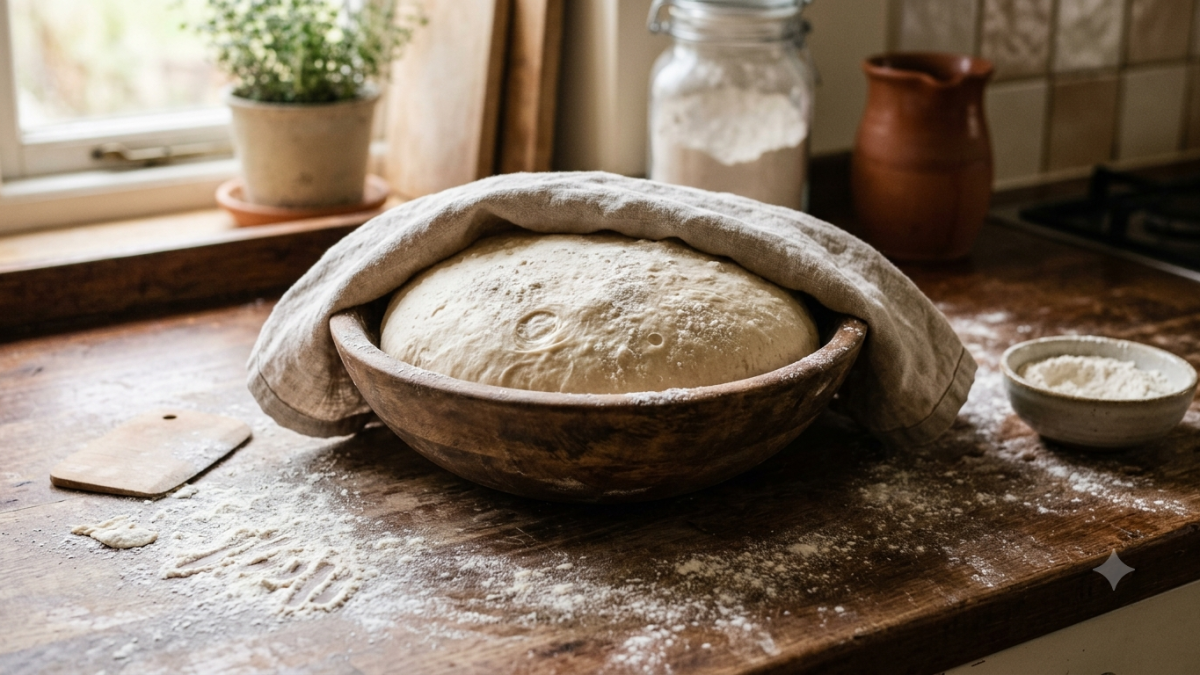
Fresh dough often looks ready to use as soon as it has been mixed, but experienced cooks know that patience can make a noticeable difference. Whether preparing chapati, bread, pizza, doughnuts or pastries, allowing dough to rest before cooking is one of the easiest ways to improve its texture, flavour and overall quality.
Although it may seem like an unnecessary pause, this resting period gives the ingredients time to work together naturally. The result is dough that is easier to handle and cooked foods that are softer, lighter and more enjoyable to eat.
Resting allows gluten to relax
One of the biggest reasons for resting dough is to allow gluten to relax. Gluten is the network of proteins formed when flour and water are mixed. It gives dough its structure and elasticity.
According to the King Arthur Baking Company, kneading strengthens gluten, but it also makes the dough tighter. If the dough is rolled or shaped immediately after kneading, it often springs back, making it difficult to achieve the desired thickness or shape.
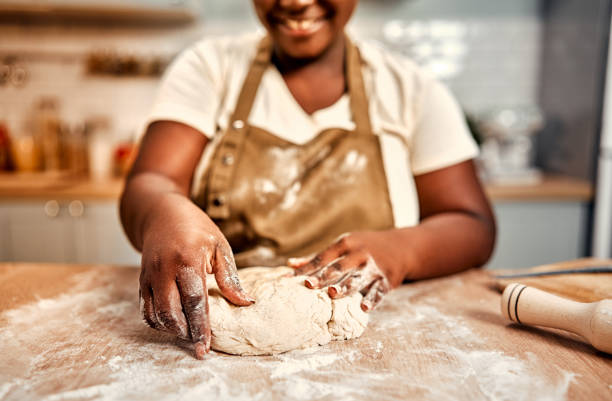
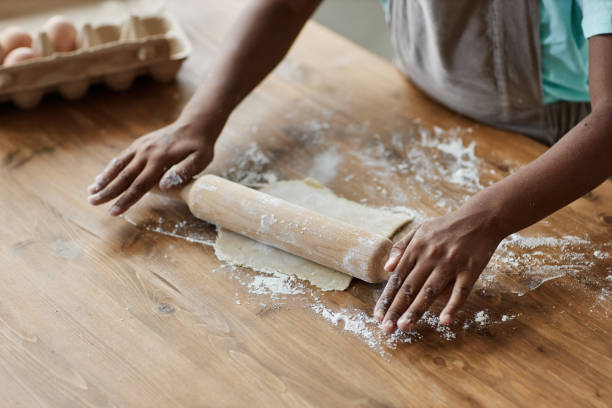
After resting for even 15 to 30 minutes, the gluten begins to relax. This makes the dough more flexible, easier to roll and less likely to tear. For foods such as chapati, tortillas and pizza bases, this simple step can make preparation much easier.
Better texture after cooking
Resting dough also has a direct effect on the final texture of cooked food.
According to the Baking Institute, resting gives flour enough time to absorb water fully. Proper hydration creates a smoother dough and helps produce a softer crumb in bread and a more tender bite in pastries and flatbreads.
Without enough resting time, dough can remain stiff and uneven, leading to bread that feels dense or chapatis that become chewy instead of soft.
The difference may not always be obvious before cooking, but it becomes clear once the food is baked or fried.
Gives yeast enough time to work
For yeast-based recipes, resting is even more important because it allows fermentation to begin.
During this stage, yeast feeds on sugars in the dough and releases carbon dioxide. These tiny gas bubbles become trapped inside the gluten network, helping the dough rise.
According to the BakeInfo baking education programme, this process creates a lighter structure and also develops a richer flavour that cannot be achieved by rushing straight to the oven.
This is why many bread recipes recommend one or even two resting periods before baking.
Small step, noticeable results
The ideal resting time depends on the type of dough being prepared. Chapati dough may only need about 20 to 30 minutes, while bread dough can require an hour or more, depending on the recipe.
Keeping the dough covered during this time is equally important because it prevents the surface from drying out and forming a hard crust.
Although resting may feel like waiting, it is actually an active stage in the cooking process. It allows gluten to settle, moisture to spread evenly and, where yeast is involved, gives the dough time to rise naturally.
The next time you prepare bread, chapati or pastries, resisting the urge to cook immediately could be the small change that delivers a softer texture, improved flavour and a more satisfying meal.