Advertisement
Dangote Refinery IPO: What Kenyans can learn about investing in shares
16th September, 2026 01:16 AM

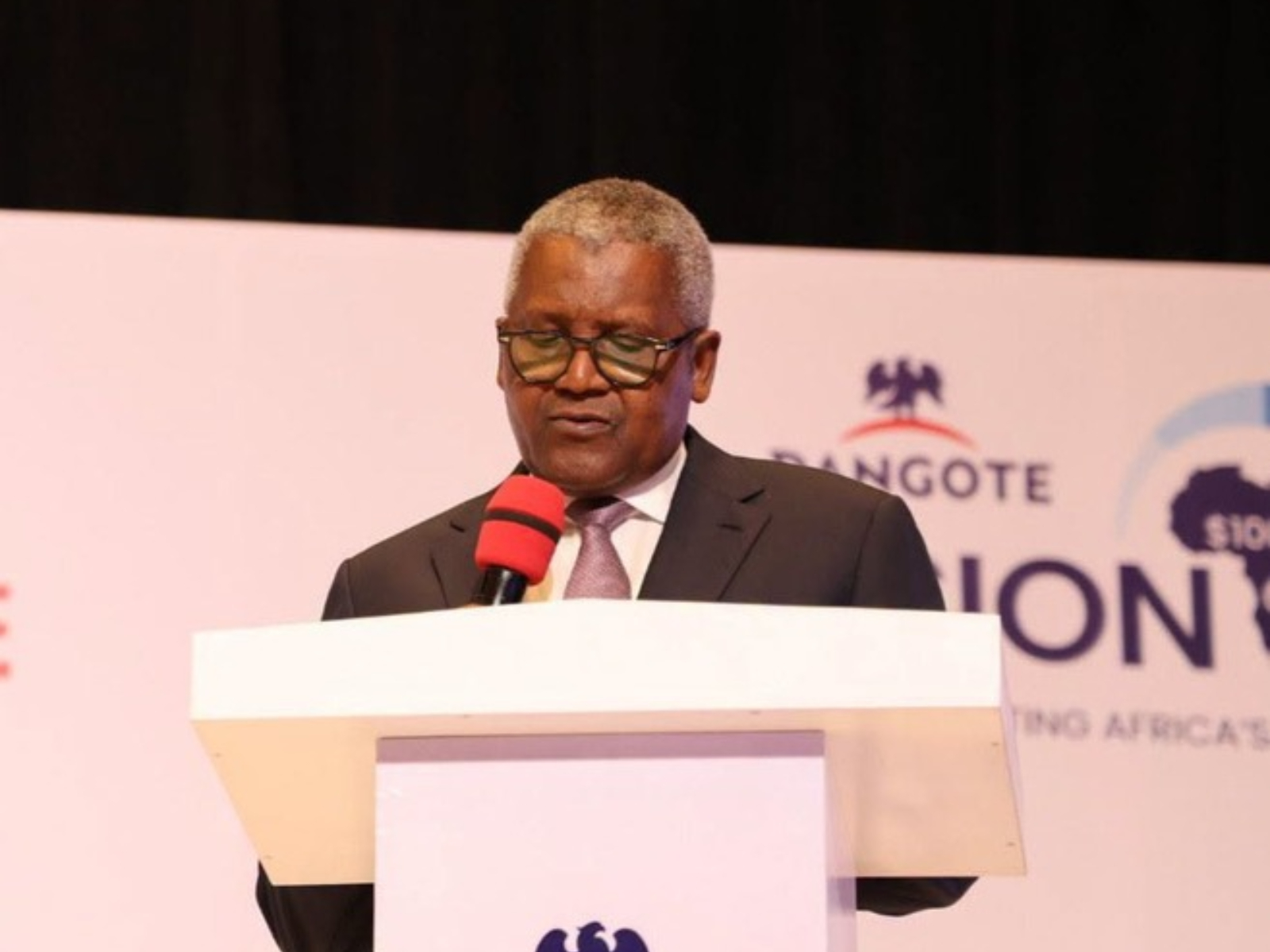
Nigerian billionaire Aliko Dangote on Monday, September 15, 2026, launched Africa’s largest share sale yet with the initial public offering of his oil refinery, targeting the general public to raise as much as approximately Ksh271 trillion for its expansion.
Dangote, who is Africa’s richest man, has marketed the offer of a roughly 3% stake as a “people’s IPO”, while announcing that the move is aimed at giving ordinary Nigerians the opportunity to participate in the success of the plant.
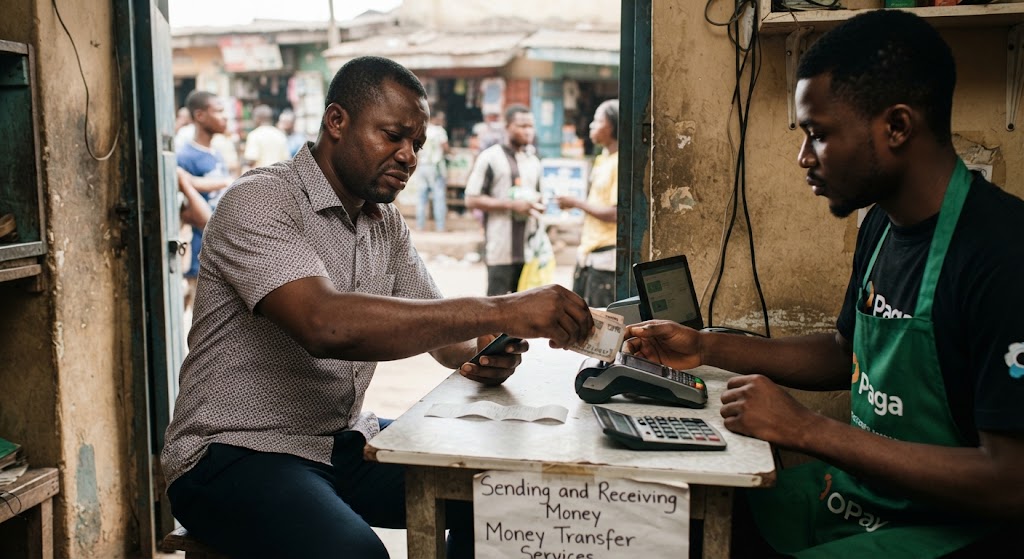
According to financial reports, Nigerians can participate in the IPO by buying as few as 10 shares on fintech and other digital investment platforms, which translates into a minimum investment amount of about Ksh500.
The development offers a useful opportunity for Kenyans to understand how shares work and what it means to become a shareholder in a company.
1. You can own a small part of a company
Buying shares means buying a stake in a company.
The size of your ownership depends on the number of shares you hold compared with the total number of shares issued. You do not need to own millions of shares to become a shareholder.
In the Dangote offer, for example, an investor who is allotted the minimum 10 shares would have a small ownership interest in the refinery.
2. An IPO allows a company to raise money from the public
IPO stands for Initial Public Offering. It is the process through which a company offers shares to the public for the first time.
The Dangote Refinery offer is seeking to raise about Ksh271 trillion. The company has said the money will help fund an expansion that would increase its refining capacity from 700,000 barrels per day to 1.4 million barrels per day.
For investors, this means their money is being used as capital for the company’s plans rather than simply being placed in a savings account.

3. Shares can make money, but returns are not guaranteed
There are generally two ways shareholders may benefit from owning shares.
A company may declare dividends, which are payments made to shareholders from profits. Alternatively, an investor may make a gain if the share price rises and they later sell their shares for more than they paid.
However, neither outcome is guaranteed. Dangote’s official IPO information states that dividends depend on factors such as company performance, cash requirements and decisions by the board. Share prices can also rise or fall after listing.
4. You can also lose money
Buying shares is different from putting money into a guaranteed savings product.
If the market value of a share falls, the value of an investor’s holdings also falls. An investor who sells at a lower price than they paid would make a loss.
The Dangote IPO’s official information similarly warns investors that they could lose some or all of the money invested.
This is why potential investors need to understand the company, the offer and the risks before committing their money.
5. Start with understanding, not hype
A major company going public can attract a lot of attention, but popularity alone is not enough reason to buy shares.
Before investing, people should read the company’s offer documents, understand what the money will be used for and consider their own financial situation and tolerance for losses.
The Dangote IPO itself advises potential investors to read the prospectus and seek guidance from licensed investment professionals where necessary.
s