Advertisement
Why some people avoid investing out of fear, not lack of money
15th September, 2026 12:12 PM

Having money to invest does not always mean a person will actually invest it. For some people, the biggest barrier is not a small salary or a lack of savings, but the fear of losing what they have worked hard to earn.
Investing can feel risky, especially to someone who has never bought an investment product before. Stories of people losing money, failed businesses, scams, and sudden market changes can make keeping money in a bank account or mobile wallet feel safer.
While caution can protect people from poor financial decisions, too much fear can also prevent them from putting their money to work.
The fear of losing hard-earned money
For someone who has spent years saving, the thought of losing even part of that money can be difficult to accept.
Unlike ordinary savings, some investments can rise and fall in value. This uncertainty can make a person hesitate, particularly when they do not understand why the value of an investment changes.
According to the Capital Markets Authority (CMA), all investments carry some level of risk, although the degree differs between investment products. The authority advises potential investors to understand their risk tolerance, research available products, and choose investments that match their financial goals.
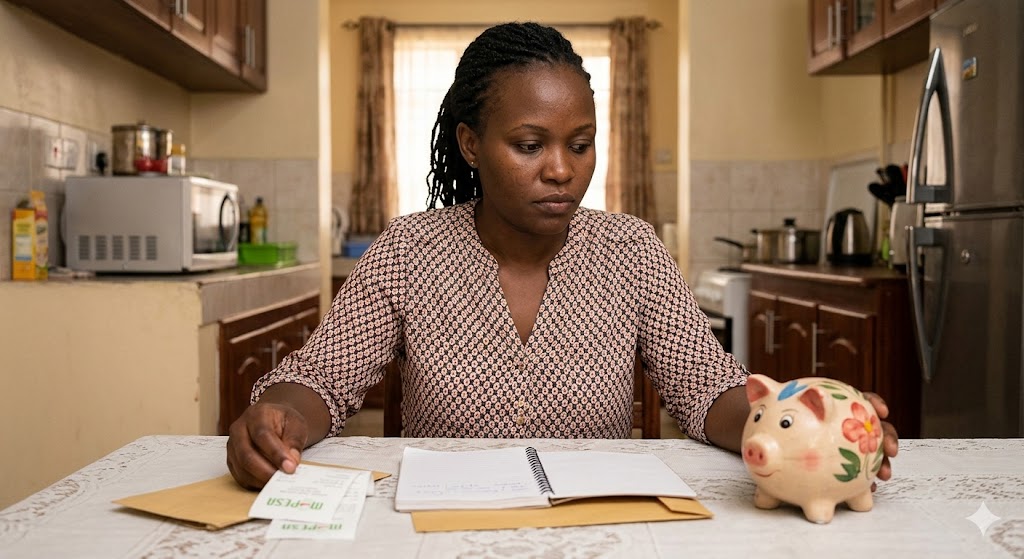
This means that investing is not simply about looking for the investment promising the highest return. It also involves understanding how much loss a person can comfortably withstand.
Lack of knowledge can make the fear worse
Some people avoid investing because the language surrounding financial products can feel complicated.
Terms such as shares, bonds, unit trusts, money market funds and diversification may be unfamiliar to someone who has never dealt with investments before. Rather than risk making a mistake, they may decide not to invest at all.
This can create a cycle where a person remains unfamiliar with investing because they are afraid to start, and continues being afraid because they have never taken the time to understand it.
The CMA provides investor education materials covering different capital market products and how people can begin investing. It also advises investors to carry out research before committing their money.
Bad experiences can affect future decisions
Fear can also come from personal experience.
Someone who has lost money through a business, lending arrangement or an investment scam may become reluctant to put money into anything again. Even legitimate investment opportunities can then appear suspicious.
The growth of online financial opportunities has added another concern. People can encounter investment offers through social media, messaging platforms and websites, some of which may promise unusually high returns with little or no risk.
Saving everything is not always the answer
Keeping money in savings can provide security and easy access when it is needed. However, relying only on cash savings for long-term financial goals can present another challenge.
Over time, rising prices can reduce what the same amount of money can buy. This means a person may have the same amount of money saved years later but find that it no longer covers as much as it once did.

The answer is not to put every available shilling into investments. A person may first need an emergency fund and should consider when the money will be needed before choosing an investment.
Starting small can make investing less intimidating
For people who are afraid of investing, the first step does not have to involve a large amount of money.
Learning how different products work, understanding the risks, and starting with an amount that does not interfere with essential expenses can make the process easier to understand.
The goal should not be to eliminate risk because that is rarely possible. Instead, it is about understanding the risk before committing money.
Investing therefore requires a balance between caution and action. Fear can be useful when it encourages someone to research and ask questions, but it can become a problem when it keeps a person from considering any investment at all.