Advertisement
How taking loans without a repayment plan can affect your mental wellbeing
14th September, 2026 08:21 AM
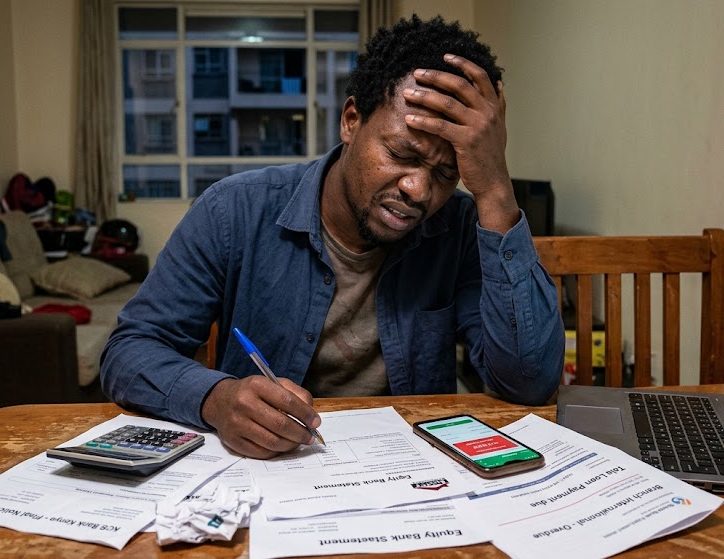
Taking a loan can provide quick financial relief when money is needed for an emergency, a purchase or an unexpected expense. However, borrowing without considering how and when the money will be repaid can create a different kind of burden.
While debt is a financial issue, the pressure that comes with struggling to repay loans can also affect a person’s mental wellbeing. The situation can become more difficult when someone takes additional loans to clear earlier debts, creating a cycle that is increasingly difficult to manage.
The stress of uncertain repayment
One of the biggest sources of pressure can be the uncertainty that follows borrowing without a clear repayment plan.
When a repayment date approaches and there is no money set aside, a borrower may constantly worry about how they will raise the required amount. Repeated financial concerns can make it difficult to concentrate on work or daily activities, while the thought of outstanding debt may remain in the background throughout the day.
For some people, the pressure may also affect their sleep and ability to relax, particularly when several payments are due around the same time.
The situation can become more stressful when a person begins receiving reminders about overdue payments. Instead of providing the financial relief initially expected, the loan can become a continuing source of anxiety.
When borrowing becomes a cycle
Another challenge comes when one loan is used to repay another. What begins as a temporary solution can gradually turn into a cycle of borrowing, particularly when someone has not addressed the reason they are repeatedly running short of money.
With every new loan comes another repayment obligation, potentially leaving less money available for essentials such as food, transport, rent, bills and savings.
This can also affect relationships. Financial pressure may lead to disagreements with partners or family members, especially when borrowed money was taken without discussing how it would be repaid.
Think before borrowing
Having a repayment plan does not mean predicting every financial challenge. It simply means considering how the loan will fit into your existing expenses before taking it.

A borrower can start by looking at their regular income, essential expenses, existing debts and the amount that can realistically be set aside for repayment.
Taking a moment to ask whether the loan is necessary, how long repayment will take and what will happen if income falls can also help prevent an avoidable financial burden.
Ultimately, borrowing is not only about getting money when you need it. It is also about understanding the commitment that comes afterwards and protecting your financial and mental wellbeing.