Advertisement
Small mistakes that make homemade chapati hard instead of soft
15th May, 2026 11:35 AM
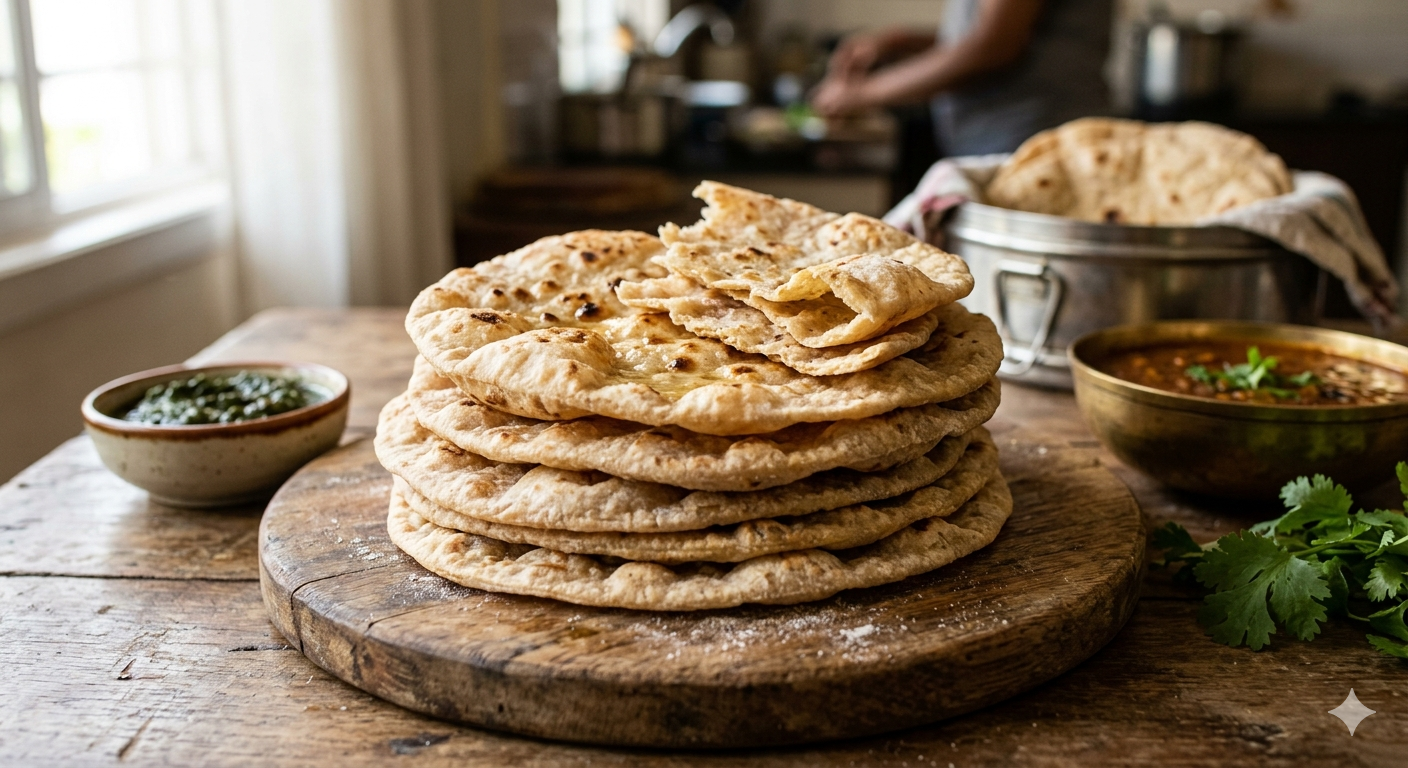
Chapati is one of the most loved meals in many Kenyan homes, enjoyed at breakfast, lunch, or even dinner. It looks simple to make, but many people often end up with chapati that is stiff, dry, or hard instead of soft and flaky.
The difference usually lies not in the recipe itself, but in small everyday mistakes made in the kitchen. Understanding these mistakes can completely change how your chapati turns out.
The dough that is too tight or too loose
One of the most common reasons chapati becomes hard starts right at the dough stage. When too much flour is added, the dough becomes tight and difficult to roll, leading to stiff chapatis after cooking. On the other hand, very soft and sticky dough can also fail to hold structure, resulting in uneven cooking.
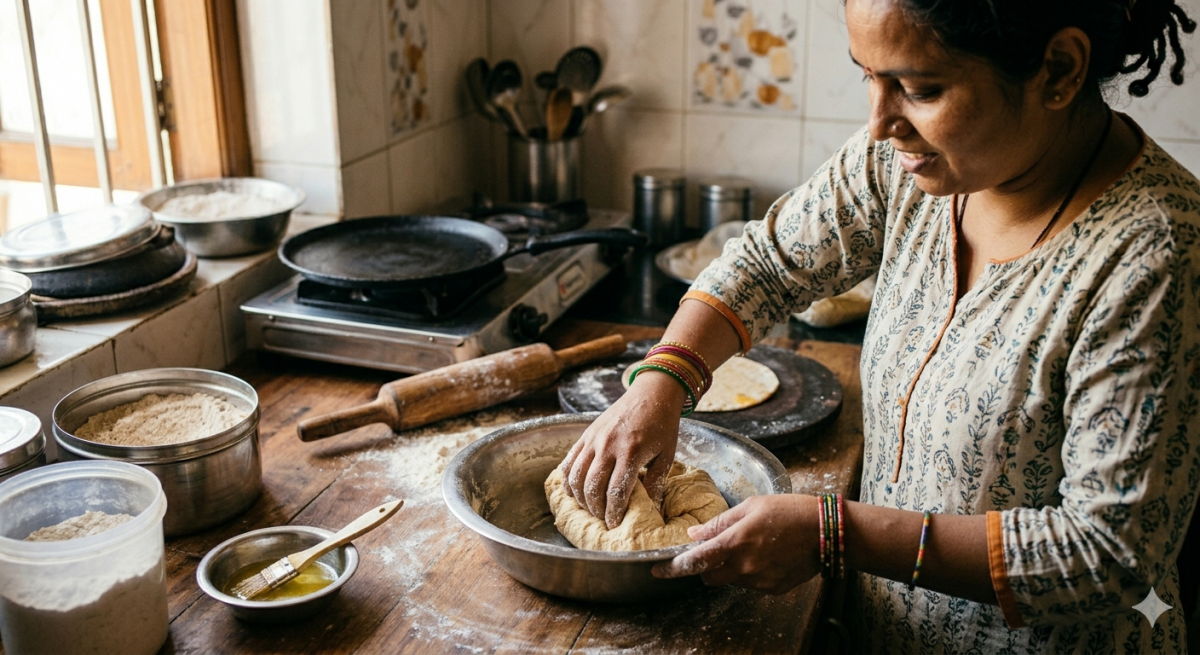
The balance matters. A well-kneaded dough should be soft, smooth, and slightly elastic. It should not crack when pressed. Many cooking guides emphasise that resting the dough is just as important as kneading it, allowing gluten to relax and improve softness.
Skipping the resting time
In many kitchens, dough is prepared and immediately rolled out without resting. This is another major mistake. Resting allows the flour to fully absorb moisture and makes the dough easier to stretch.
When this step is skipped, the chapati tends to become chewy and hard because the gluten hasn’t relaxed. Even a short resting time of 30 minutes can make a noticeable difference in softness. Covering the dough with a damp cloth or plastic wrap also helps retain moisture.
Cooking heat and oil balance
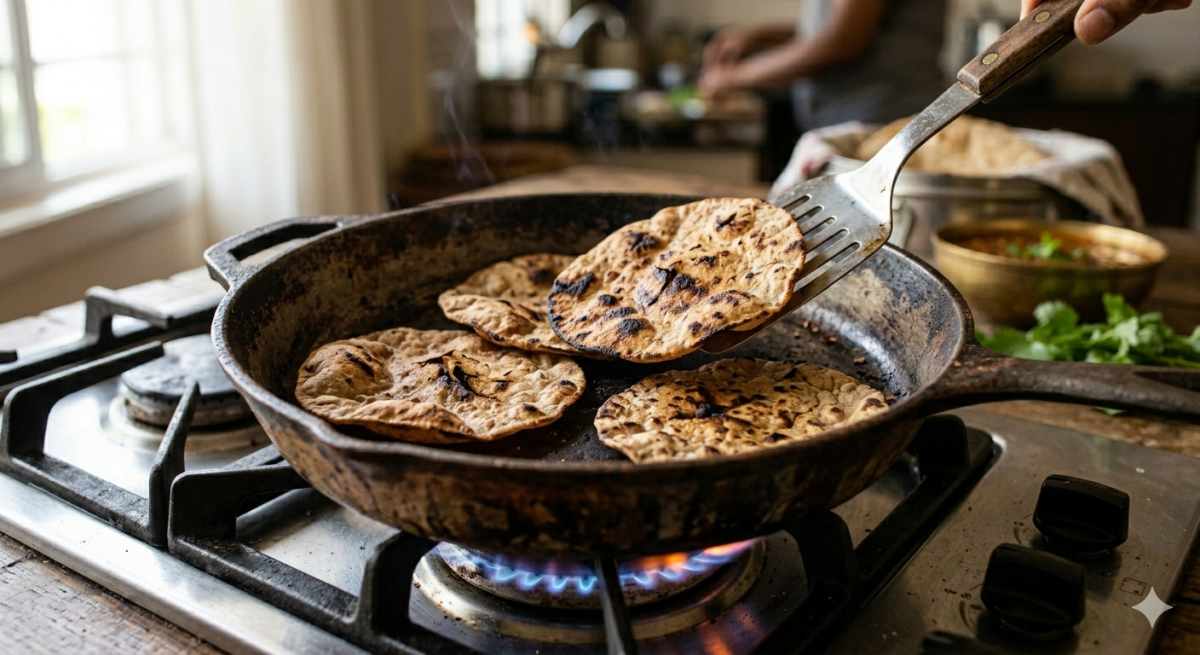
The way chapati is cooked plays a big role in its final texture. Too much heat burns the outside quickly while leaving the inside undercooked and dry. Too little heat, on the other hand, makes the chapati absorb excess oil and become heavy.
A medium, steady heat is often recommended. Light brushing of oil between flips helps create layers and softness, but overusing oil can make chapati greasy and tough once it cools down. Timing is key; each side should cook just enough to develop light golden brown spots.
Small changes, big difference
Soft chapati is not about complicated techniques but about attention to simple steps. From kneading the right dough consistency to allowing enough resting time and controlling cooking heat, every detail matters. When these small mistakes are corrected, homemade chapati becomes soft, layered, and enjoyable.