Advertisement
Reasons why your body may crave salty foods
04th August, 2026 01:03 AM
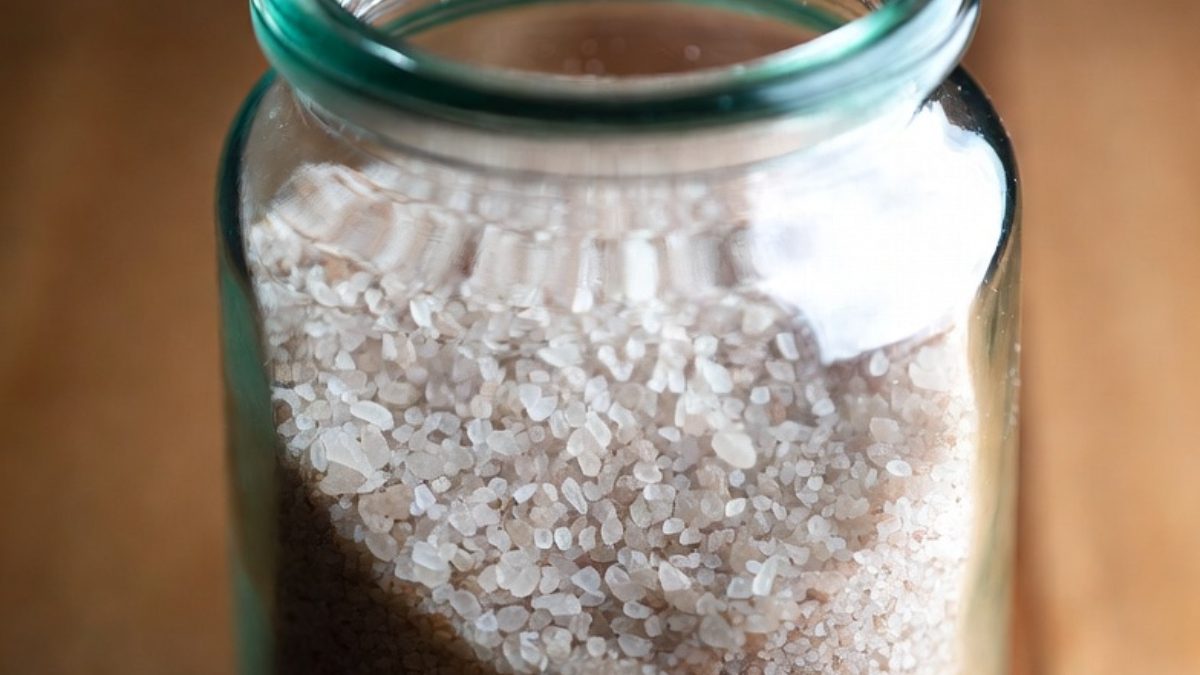
Craving salty foods from time to time is common. You may suddenly find yourself wanting crisps, salted nuts, chips, processed meats, or other foods with a strong salty taste.
In many cases, this does not mean there is something wrong with your body.
However, repeated cravings can sometimes be linked to your eating habits, daily routine, or the way your body is responding to certain situations. Paying attention to when the cravings happen can help you understand them better.
Here are three possible reasons why your body may crave salty foods.
1. You may not be drinking enough water
When you do not drink enough fluids, your body can become dehydrated. This can happen after sweating heavily, spending a lot of time in hot weather or simply forgetting to drink enough water during the day.
Some people may respond to this feeling by wanting salty foods. Since salt contains sodium, which plays an important role in fluid balance, you may associate salty foods with feeling better.
However, reaching for crisps or other salty snacks is not a replacement for drinking water. If you have been sweating or losing fluids, drinking enough water and eating balanced meals can help you stay hydrated.
If you regularly feel thirsty, tired, or unwell, along with strong cravings, it may be worth paying attention to your fluid intake and speaking to a health professional if the problem persists.
2. You may have been sweating a lot
Sweating causes your body to lose both water and electrolytes, including sodium. This is one reason salty foods may seem more appealing after exercise, working outdoors in hot weather or doing other activities that make you sweat heavily.
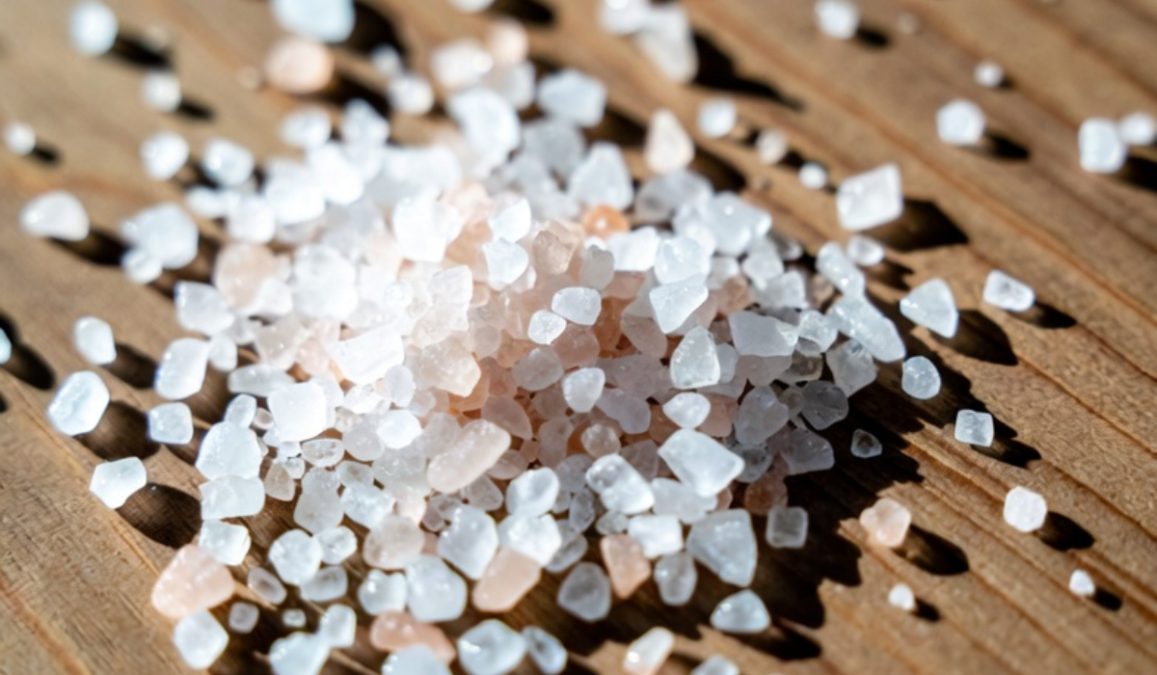
The amount of sodium lost through sweat can vary from one person to another. If you have been sweating for a long time, your body may need fluids and electrolytes to replace what has been lost.
This does not mean that every salty craving is a sign that you need more salt. For most people, normal meals provide enough sodium. If you exercise heavily or spend long periods in hot conditions, your hydration needs may be different.
3. Chronic stress may affect your cravings
Chronic stress can change how you eat and what types of food you want. When you are under stress for a long period, you may find yourself craving foods that are salty, sweet or high in fat. Salty snacks can become an easy choice when you are looking for something comforting or satisfying.
Stress can also affect your appetite and eating routine. You may skip meals during a busy or stressful day and later find yourself extremely hungry. When that happens, foods such as crisps, chips and other salty snacks may seem more appealing because they are easy to find and have a strong taste.
If you notice that your cravings for salty foods are strongest during stressful periods, it may help to look at your overall routine. Eating regular, balanced meals and keeping healthy snacks available can make it easier to avoid relying heavily on processed foods when stress is high.
It is also important to remember that a salty craving does not automatically mean your body needs more salt. If your cravings are frequent, intense, or come with other symptoms, consider speaking to a health professional to understand what may be causing them.