Advertisement
El Nino: Foods worth keeping at home before leaving the house become a struggle
06th September, 2026 02:20 PM
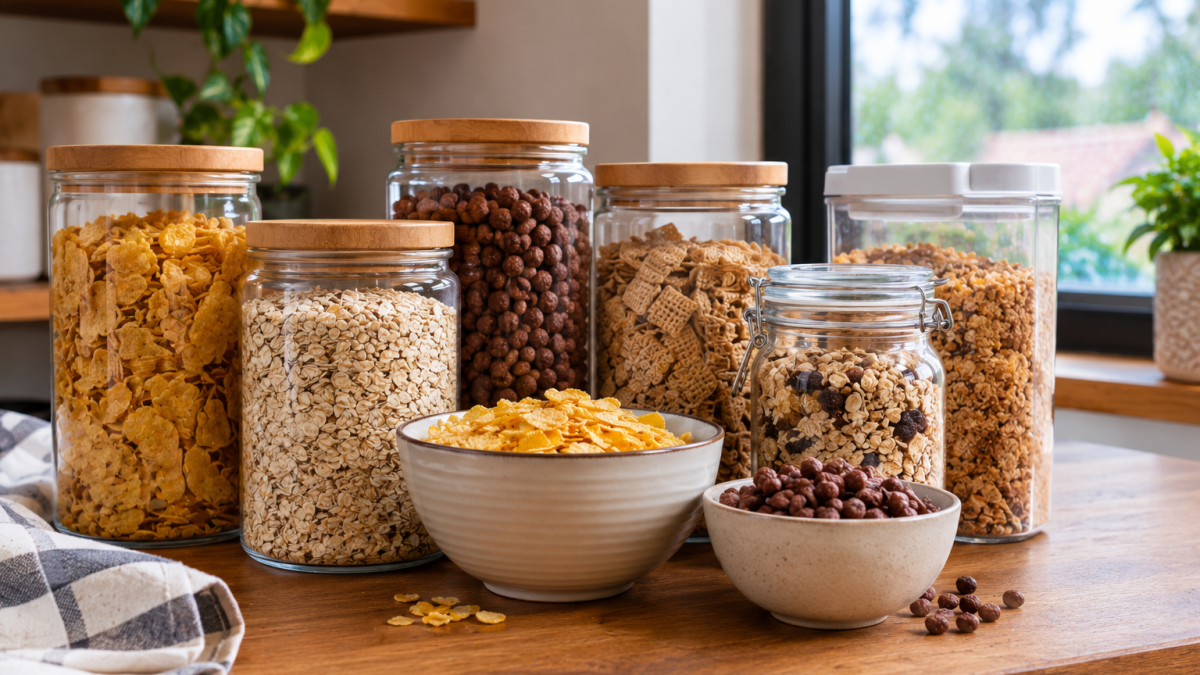
As Kenya prepares for the possibility of El Niño rains, a little planning in the kitchen could save you from making a dramatic dash to the supermarket in the middle of a downpour. Heavy rains can make roads difficult to use, disrupt transport and turn a simple trip to buy bread into a muddy adventure.
You do not need to panic-buy enough food to feed the entire estate. A few well-chosen items can keep your household comfortable when the weather decides nobody should be leaving the house.
Here are five foods worth keeping at home before going to the shop becomes a struggle.
1. Stock up on dry foods
Every Kenyan kitchen has those foods that quietly sit in the cupboard until a difficult day arrives. Then suddenly, they become the most important thing in the house.
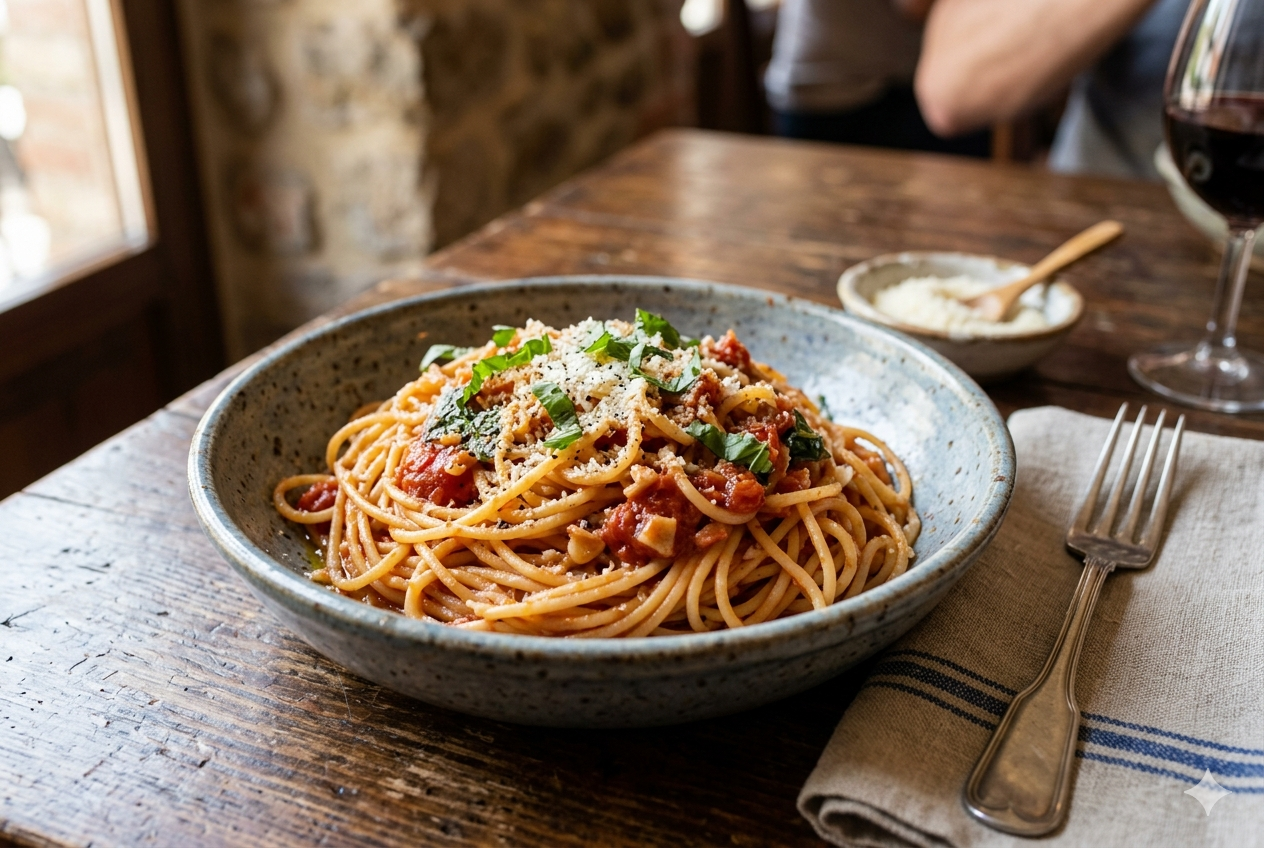
Rice, beans, ndengu, lentils, ugali flour, pasta, oats and porridge flour are good foods to keep around because they can last for some time when stored properly. They are filling, affordable and can be turned into different meals without much drama.
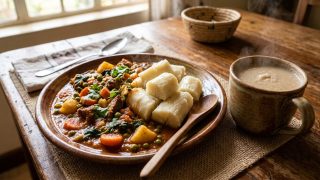
Rice is particularly useful because it gets along with almost everything. You can have it with beans, stew, vegetables, eggs or even leftovers that need a second chance at life. Beans and ndengu are equally dependable and can be cooked in large portions to last for several meals.
Do not forget flour. Ugali flour can save dinner, while wheat flour can be used for chapati, pancakes or mandazi. Oats and porridge flour are useful on cold mornings when the rain is making it difficult to leave your blanket.
Store dry foods in clean, airtight containers and keep them away from moisture. A rainy season is not the time to discover that your flour has become damp and developed an unusual smell.
The best part about dry foods is that you do not have to wait for an emergency to eat them. Simply use what you have and replace it regularly.
2. Keep foods that do not need much cooking
There will be days when cooking a full meal feels like too much work. Perhaps the electricity is out, the weather is miserable or you simply do not want to spend two hours in the kitchen while rain is making enough noise for the entire neighbourhood.
That is when quick and easy foods become useful.
Keep a few packets of noodles, instant porridge, crackers, biscuits and cereals. Canned beans, sardines and other shelf-stable foods can also be helpful because they do not require refrigeration before opening and can be prepared quickly.
Sardines, for example, can rescue a meal in minutes. Serve them with ugali, bread or rice, and suddenly dinner has been sorted. Canned beans can be added to rice or eaten with bread, while peanut butter can work for breakfast or an afternoon snack.
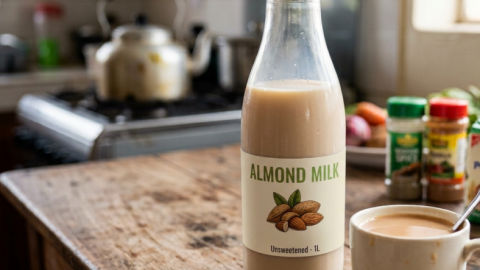
Long-life milk and powdered milk are also worth considering. Running out of milk during a rainy morning is a special kind of disappointment, especially when you have already boiled the water and mentally prepared yourself for tea.
Keep foods your family actually enjoys eating. There is no point in buying a cupboard full of emergency food that everyone will ignore until it expires.
3. Do not forget potatoes and other kitchen favourites
Not all useful foods have to come in packets and tins. Some fresh foods can also last reasonably well, giving you plenty of options when you are stuck at home.
Potatoes are one of the best things to have in the kitchen. They are filling, versatile and do not require you to be a professional chef to make something decent. You can boil them, fry them, add them to stew or roast them for a simple meal.
Sweet potatoes are another rainy-day favourite. A warm sweet potato and a cup of tea can make an afternoon of terrible weather feel slightly less offensive.
Onions and garlic should also have a permanent place in your kitchen. They may not look impressive sitting in a basket, but they are responsible for making many ordinary meals taste like somebody actually tried.
Carrots can also be useful, while fruits such as apples and oranges may last longer than highly perishable options when stored well.
The important thing is to buy fresh foods wisely. Avoid filling your fridge with more perishable food than you can use, especially if heavy rains cause power interruptions.
4. Buy ingredients that can make more than one meal
One of the smartest ways to prepare your kitchen is to think beyond individual foods.
Instead of buying random things that do not work together, choose ingredients that can be used in several meals. Flour, eggs, rice, beans, potatoes and cooking oil can take you surprisingly far.
Flour can become chapati one day and pancakes the next. Eggs can save breakfast, lunch or dinner. Rice can be served with beans, vegetables or stew. Potatoes can be turned into breakfast, lunch or that late-night meal you make because everyone suddenly claims they are starving.
Keep the basics too. Cooking oil, salt, sugar, tea and spices may not seem exciting, but they are what help turn ingredients into actual meals.
There is nothing more frustrating than having plenty of food but realising you have forgotten one important ingredient. Suddenly, your fully stocked kitchen starts looking like a collection of unfinished ideas.
A good rainy-season food supply should make cooking easier, not leave you staring into cupboards wondering what exactly you were planning to do with six packets of pasta.
5. Keep Drinking Water and Easy Snacks Nearby
Food may get most of the attention, but water is just as important.
Heavy rains and flooding can sometimes interfere with normal water supplies or affect water quality. Keeping a supply of safe drinking water at home can give you some peace of mind when the weather is unpredictable.
Make sure drinking water is stored in clean, covered containers and kept somewhere safe. If you live in an area prone to flooding, avoid placing food and water directly on the floor where floodwater could reach them.
It is also a good idea to have snacks that require absolutely no preparation.
Biscuits, nuts, dried fruit, crackers and cereal can come in handy when cooking is delayed or when hunger arrives before the next meal is ready.
And hunger at home during rainy weather can be surprisingly dramatic.
Someone will eat breakfast and then, less than two hours later, begin walking around the kitchen opening every cupboard. Another person will ask what is for lunch while you are still washing the breakfast dishes.
Having a few snacks around may not solve all household problems, but it can certainly reduce unnecessary complaints.