Advertisement
How TikTok is changing what Kenyans cook at home
04th September, 2026 12:15 PM

A phone camera, a few ingredients and a short cooking video are increasingly becoming sources of inspiration for what ends up on Kenyan dinner tables.
For many home cooks, TikTok has become more than a platform for entertainment. It is now a place to discover recipes, cooking shortcuts, new flavours and different ways of preparing familiar foods.
A person looking for an idea for dinner can scroll through videos showing everything from creative chapati fillings and upgraded githeri to pasta dishes, chicken recipes, homemade snacks and international meals. Some of these ideas are then adapted using ingredients that are easily available in local shops and supermarkets.
From traditional meals to new ideas
Kenyan kitchens have long been built around familiar foods such as ugali, sukuma wiki, rice, beans, chapati, potatoes and githeri. TikTok is not replacing these foods, but it is changing the way some people prepare and serve them.
A simple meal can be given a different twist after a cook watches a short video. Leftover rice can become fried rice, potatoes can be turned into wedges, while chapati can be used in wraps with different fillings.
The appeal is partly in the presentation. TikTok videos often show the entire process in a few seconds, making a complicated-looking dish appear easier to prepare.
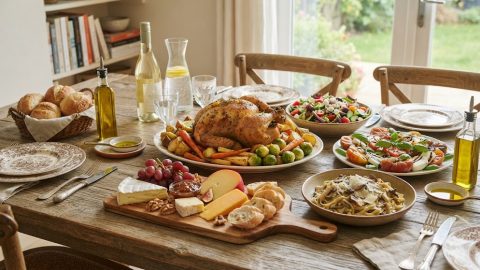
Social media, travel and greater access to international ingredients have encouraged Kenyan home cooks to experiment with global flavours and recreate restaurant-style meals at home.
International flavours enter Kenyan kitchens
One of the noticeable changes is the growing interest in food from other parts of the world.
Recipes inspired by Korean, Chinese, Indian, Mexican and Italian cuisine regularly appear on TikTok. Foods such as ramen, sushi, pasta, tacos and different rice dishes can now become cooking experiments in Kenyan homes.
For some people, the attraction is simply curiosity. Seeing a dish repeatedly on their feed can encourage them to try making it, even if they had never considered the food before.
Kenyan cooks also tend to make these recipes their own. An international recipe may be adjusted depending on what is affordable or available, with local spices and ingredients finding their way into the dish.
Quick recipes suit busy households
TikTok has also made convenience an important part of food content. Short videos showing meals that require few ingredients or can be prepared within a limited time appeal to people juggling work, school and family responsibilities.

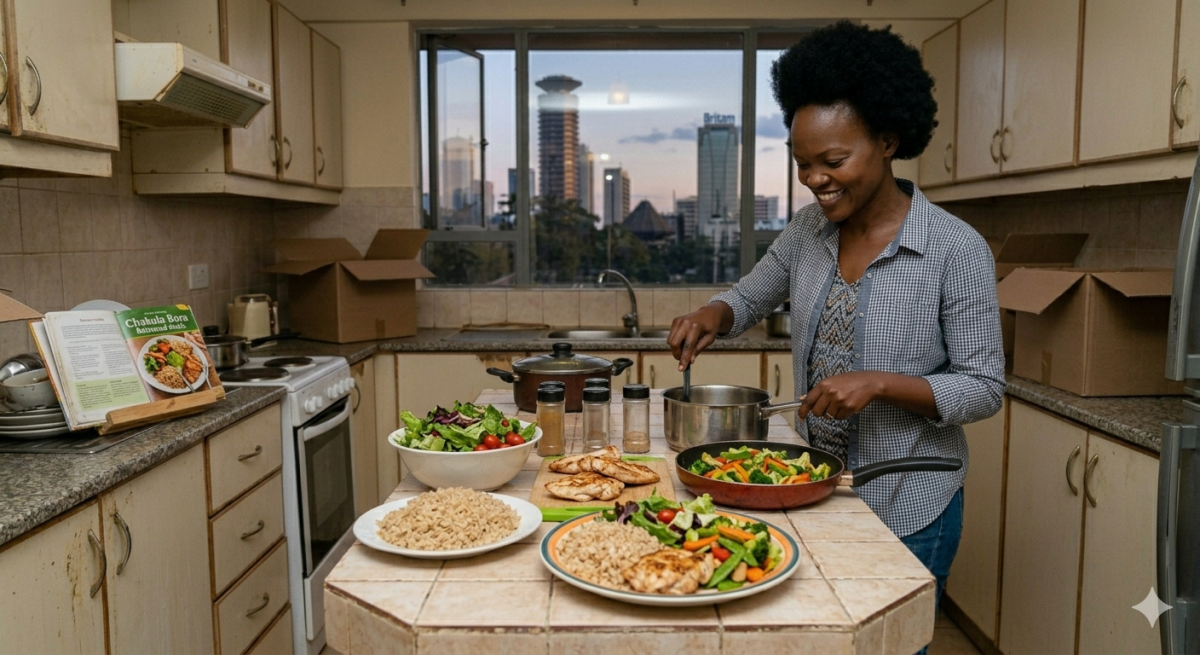
Instead of searching through a long cookbook, someone can watch a 30-second video and immediately see the ingredients, preparation, and final meal. This has also made cooking feel more approachable for people who may not consider themselves experienced cooks.
The influence goes beyond the plate
The growth of food content reflects how deeply social media has entered everyday life in Kenya. DataReportal’s Digital 2026 Kenya report says TikTok’s advertising resources indicated a potential reach of 18.4 million adults in Kenya in late 2025, although advertising reach should not be treated as the same as active users.
With such a large potential audience, food trends can spread quickly. A recipe that starts with one creator can soon be recreated by thousands of other users, each adding a personal touch.
Still, not every viral recipe needs to become a regular meal. Some may be expensive, require unfamiliar ingredients or contain more salt, sugar or fat than an everyday diet should.