Advertisement
Why young Kenyans are bringing indigenous vegetables back to the table
18th August, 2026 08:14 AM
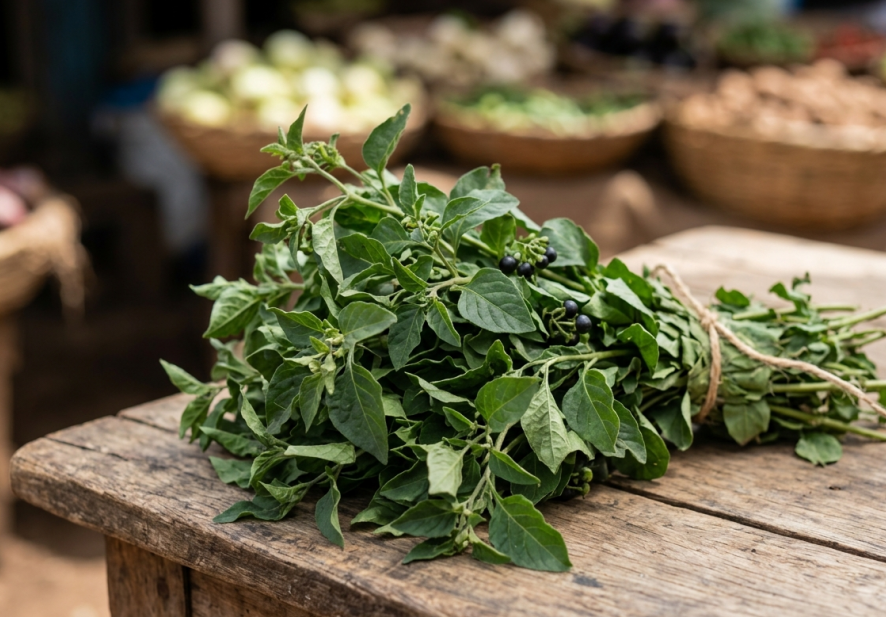
For a long time, Kenyan kitchens seemed to have a clear favourite when it came to greens. Sukuma wiki was everywhere, spinach was considered a safe choice, and cabbage rarely caused an argument at the dinner table. Meanwhile, vegetables such as managu, kunde, terere and saget were often left to older generations or associated with rural homes.
That attitude is slowly changing.
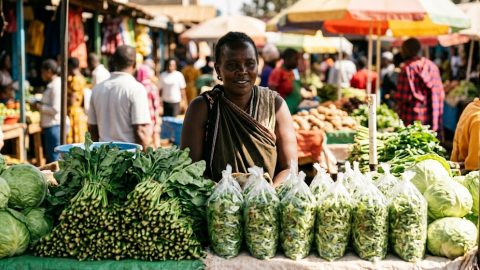
Walk through a Kenyan market today, and you are likely to find bunches of managu, terere, kunde and saget sitting proudly beside the more familiar kale and spinach. Some restaurants have also brought traditional vegetables onto their menus, while farmers are growing them commercially to meet rising demand. Research has linked the renewed interest to greater awareness of nutrition, changing food habits and growing urban demand.
Younger Kenyans are beginning to realise that the vegetables their parents once insisted they eat were not simply a punishment for refusing to finish lunch. They were part of a rich food culture that had been quietly pushed aside.
From “village food” to something worth ordering
There was a time when indigenous vegetables could carry an unfair reputation. Some people considered them old-fashioned or food for households that could not afford supermarket vegetables.
That image has taken a beating.
Managu, terere, kunde and saget are now increasingly sold in urban markets and green groceries, while traditional vegetables have also found their way into restaurants. Research found that about 80 per cent of restaurants surveyed included at least one African indigenous vegetable on their menus, with managu, terere, kunde and saget among the common choices.
The change is partly about taste. Managu has that distinctive slightly bitter flavour that becomes surprisingly pleasant when cooked properly. Terere is softer and milder, while kunde has a more earthy character. Saget brings its own flavour and texture to the plate.
They are not trying to be fancy. That may actually be their charm.
The health conversation has helped
Another reason these vegetables are enjoying a comeback is the growing interest in healthier eating.
Studies on Kenyan consumers have found that people choose indigenous vegetables because of their perceived nutritional benefits, taste and ease of preparation. Some varieties can also be mixed together, allowing cooks to balance stronger flavours.
This does not mean every traditional vegetable should be treated as a miracle food. However, they are valuable additions to a varied diet, particularly because leafy vegetables contribute important vitamins, minerals and other nutrients.
The renewed interest is also giving farmers a reason to grow them. In 2026, farmers in parts of Nandi and Kakamega reported rising demand for managu, terere, kunde and saget, with some saying the crops offer frequent harvests and lower input costs than vegetables such as cabbage.
So that humble bunch of greens at the market is doing more work than filling a plate.
Young Kenyans are giving old recipes a new life
The biggest change may be happening in the kitchen.
Younger cooks are not necessarily preparing indigenous vegetables exactly as their grandparents did. They are experimenting. Some are combining greens with milk, groundnuts or sesame, while others are serving them alongside modern meals instead of limiting them to traditional dishes.
Research into Kenyan cooking practices found that indigenous vegetables are commonly boiled or pan-cooked with ingredients such as onions, tomatoes, oil, milk and groundnuts. They can also be mixed, which means there is plenty of room for experimentation.
And this is where social media has made food more interesting. A vegetable that once looked ordinary can suddenly become attractive when photographed properly, served with a colourful meal and presented as part of a healthy lifestyle.
Perhaps the vegetable was never boring. Perhaps we simply needed better lighting.