Advertisement
Why midnight cravings are changing what people keep in their kitchens
07th September, 2026 10:53 AM
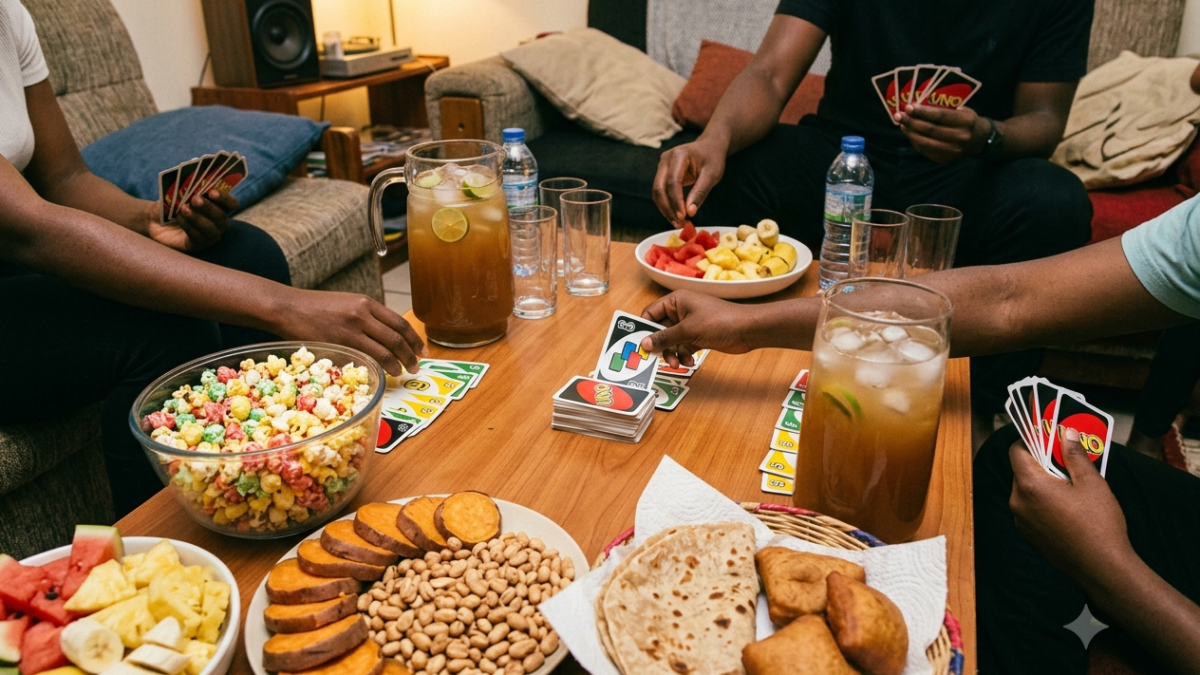
The kitchen can look very different after dark. While most people may be getting ready for bed, others are opening the fridge, checking the cupboard, or making a quick cup of tea because hunger has suddenly returned.
Midnight cravings are not always about being genuinely hungry. Sometimes they are linked to long gaps between meals, stress, boredom, tiredness, or simply getting used to eating at a particular time. Cravings can be influenced by habits, emotions, food availability and the brain’s reward system.
This has changed what some households choose to keep within easy reach, with simple snacks becoming a convenient option for people who do not want to prepare a full meal late at night.
Why hunger strikes at night
A busy day can easily push meals out of their usual schedule. Someone who has had an early dinner may still be awake several hours later and begin feeling hungry before bedtime.
Sleep also plays a role. Research from the National Institutes of Health shows that insufficient sleep can stimulate appetite and increase cravings for high-calorie foods.
For people who work late, study at night, or regularly sleep after midnight, being awake for longer also means spending more time around food. The kitchen becomes an easy place to look for something to eat.
What people are keeping in the kitchen
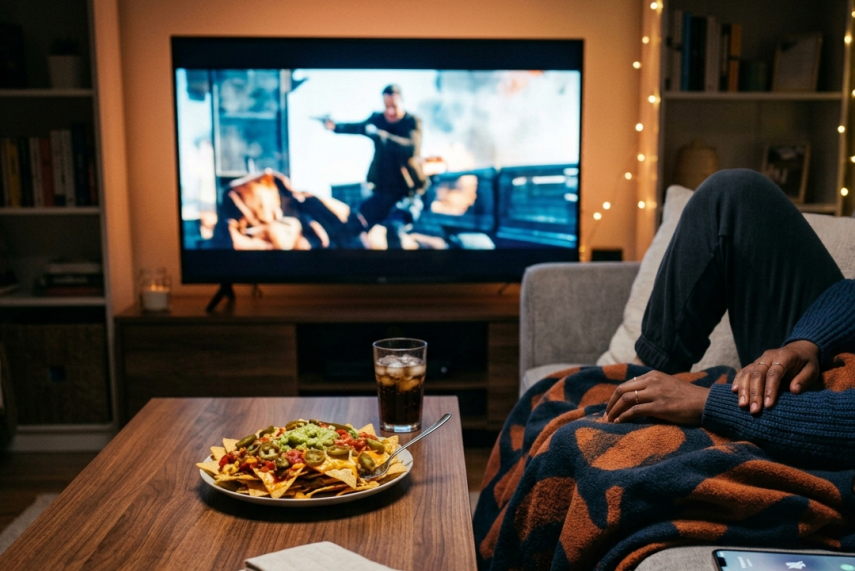
The late-night snack does not have to be a full plate of food. Fruits such as bananas, apples and oranges can be convenient because they require little preparation.
Yoghurt is another option for households looking for something quick. Plain or low-sugar yoghurt can be paired with fruit or a small amount of nuts for a more filling snack.
Nuts and seeds are also useful because a small portion can provide protein, healthy fats and other nutrients. However, portion size matters because nuts are energy-dense.
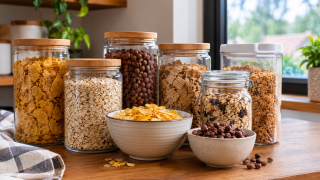
Other households may keep whole-grain bread, peanut butter, oats or eggs available. These foods can be turned into a simple snack without requiring much cooking.
The problem with stocking only comfort foods
When cravings hit, it is easy to reach for biscuits, crisps, sweets, chocolate or sugary drinks because they are convenient and highly palatable. Highly processed foods containing combinations of sugar, salt and fat can stimulate the brain’s reward pathways and encourage continued cravings.
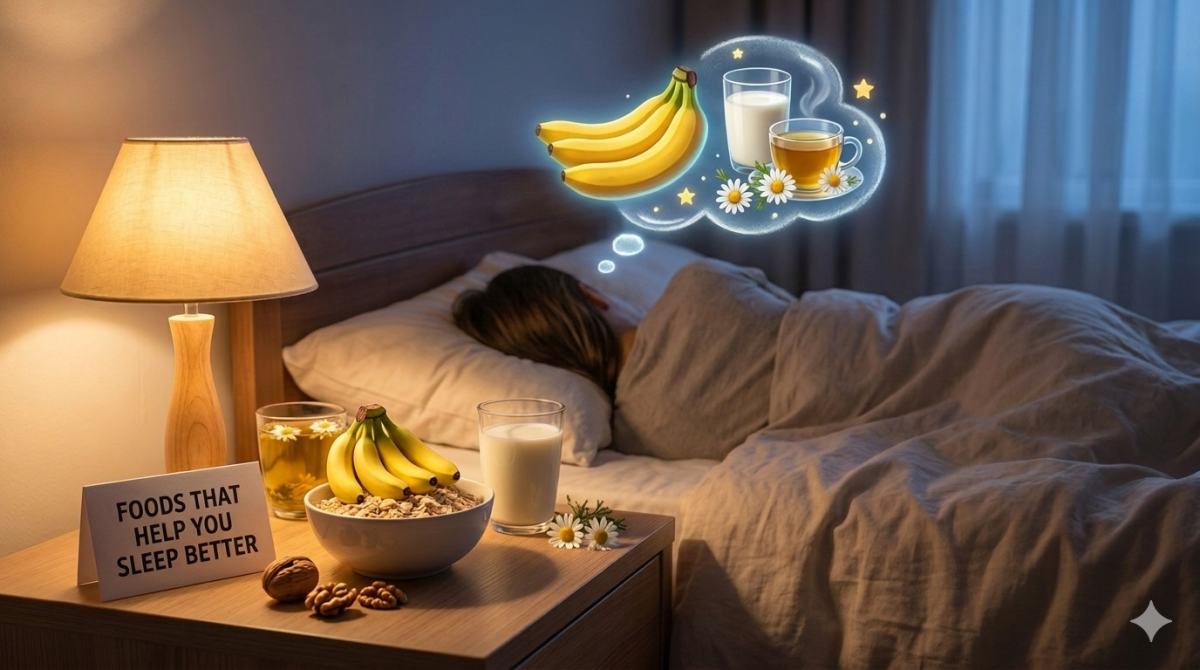
Keeping large quantities of such foods within easy reach can therefore make mindless late-night eating easier, particularly when someone is tired or distracted by television or phone use.
A better way to prepare for midnight hunger
Stocking the kitchen does not mean preparing for a nightly feast. It can simply mean having a few sensible choices available for occasions when hunger is genuine.
A small bowl of fruit, yoghurt, a handful of nuts or a light serving of oats can be more practical than eating a large, heavy meal close to bedtime.
It is also worth looking at what happens during the day. Regular, balanced meals containing protein, fibre and whole foods can help provide longer-lasting satisfaction and may reduce the urge to constantly snack at night.
Ultimately, midnight cravings are not necessarily something to fear. The important part is understanding whether the body is asking for food or whether the craving is being triggered by tiredness, stress, boredom, or routine. Once that difference becomes clear, stocking the kitchen becomes less about fighting hunger and more about making thoughtful food choices.