Advertisement
Beyond black: How different cultures dress for mourning
08th September, 2026 12:16 PM
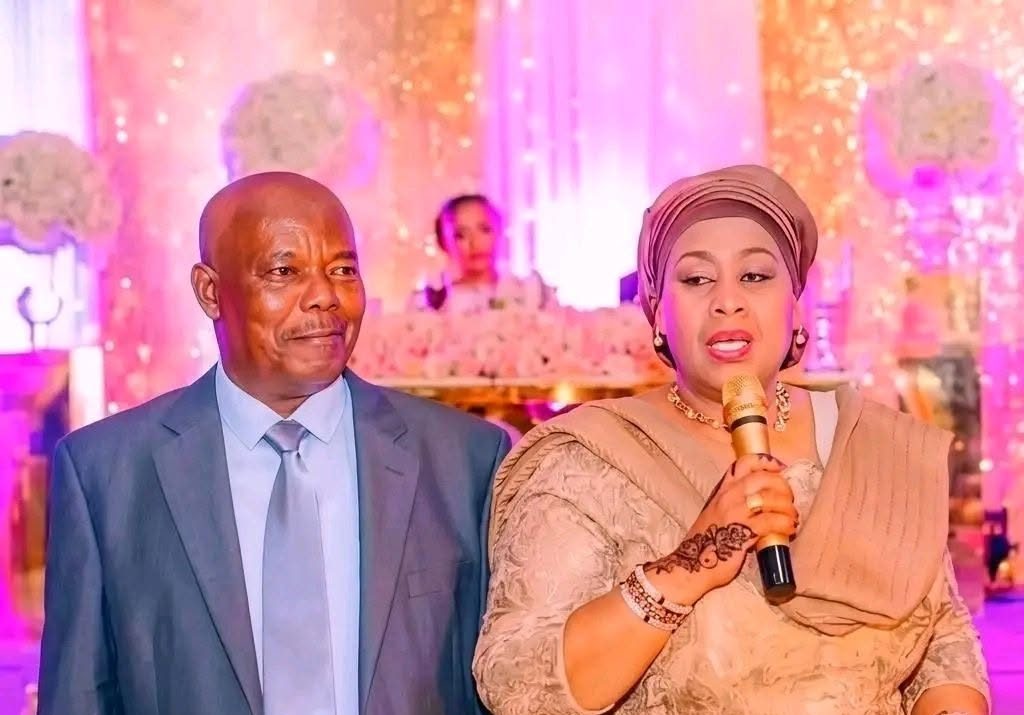
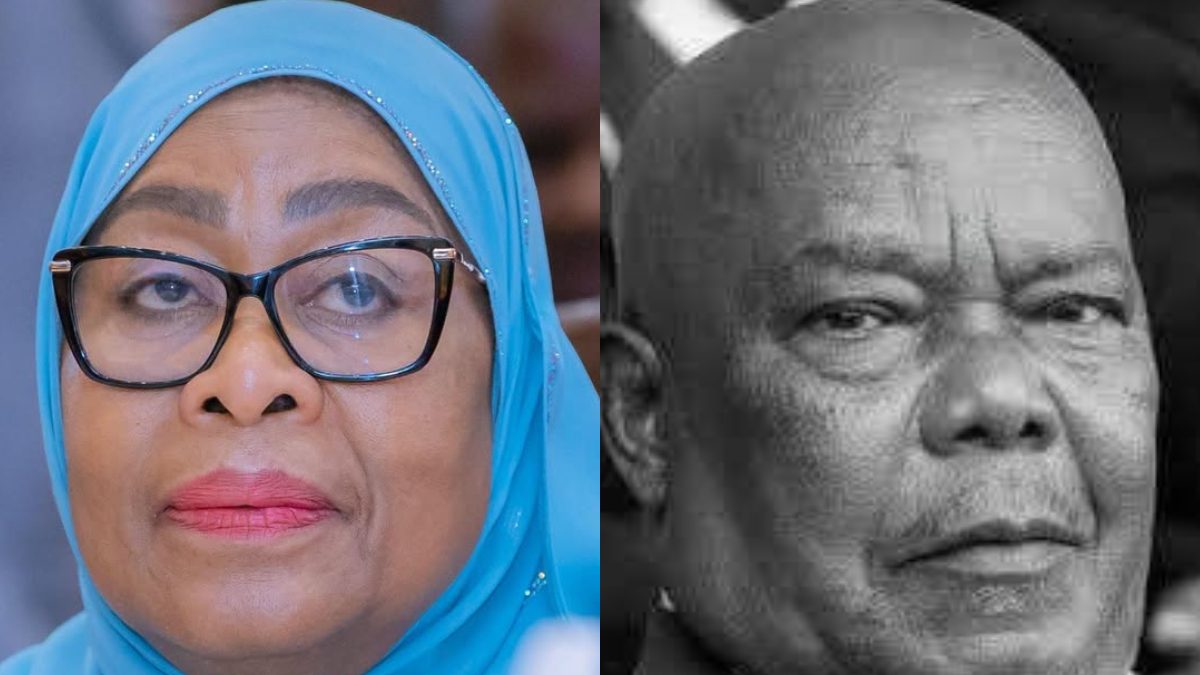
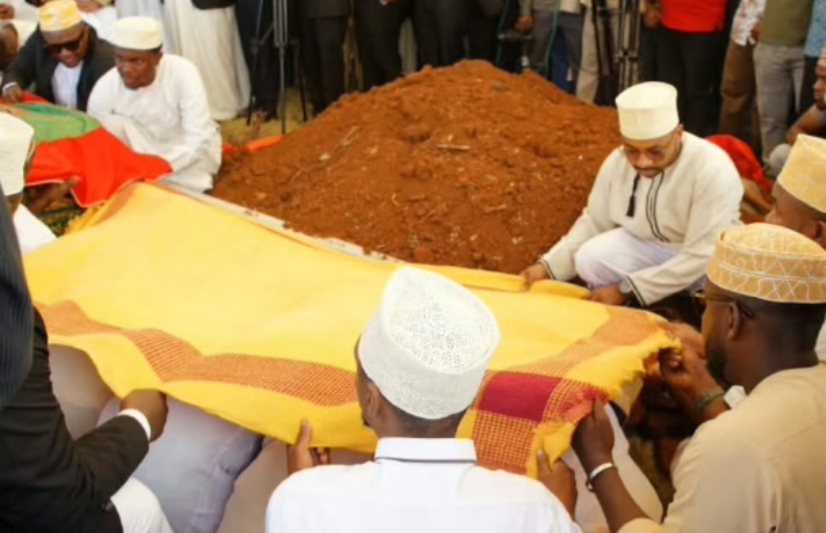
The funeral of Tanzania’s First Gentleman, Hafidh Ameir Hassan, on Monday, September 7, 2026, offered a glimpse into how mourning traditions can differ from the familiar image of mourners dressed from head to toe in black.
Hafidh, the husband of Tanzanian President Samia Suluhu Hassan, was buried in Kizimkazi, Zanzibar, following Islamic funeral rites.
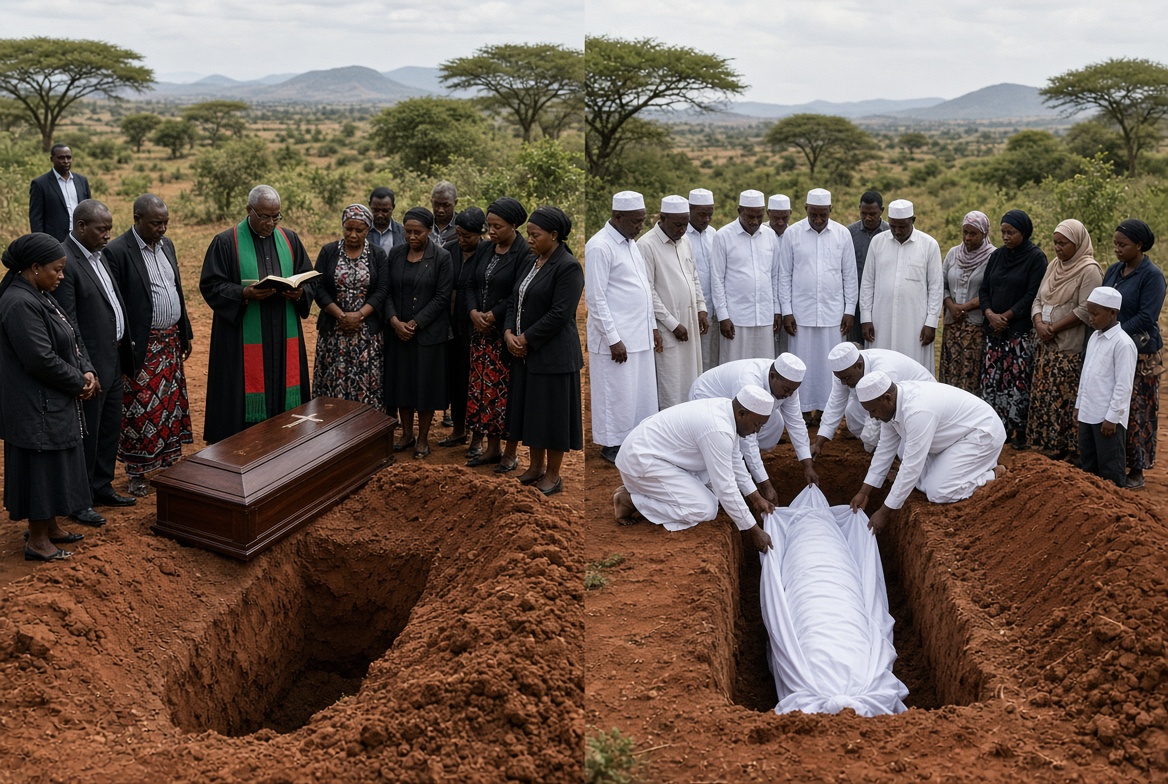
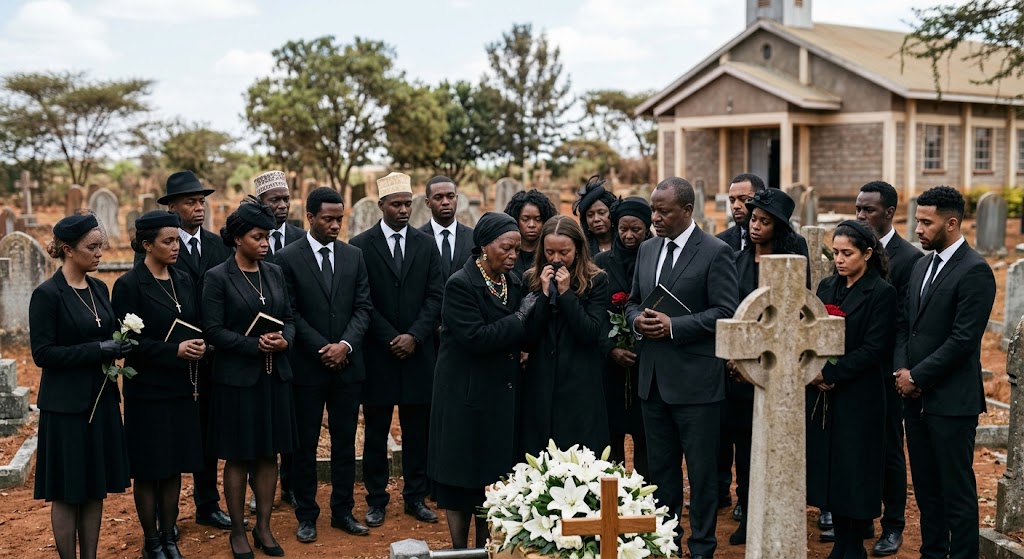
For many people, black is almost automatically associated with grief. It is commonly worn at funerals as a symbol of sorrow, respect and solemnity. However, the colour is not a universal requirement for mourning, with traditions varying depending on religion, culture and family customs.
Why black became a mourning colour
Black’s association with mourning has deep roots in Western history. For generations, wearing dark clothing after the death of a loved one became a visible way of expressing grief and respect.
The tradition eventually influenced funeral fashion beyond Europe, making black suits, dresses, coats and veils familiar sights at funerals around the world.
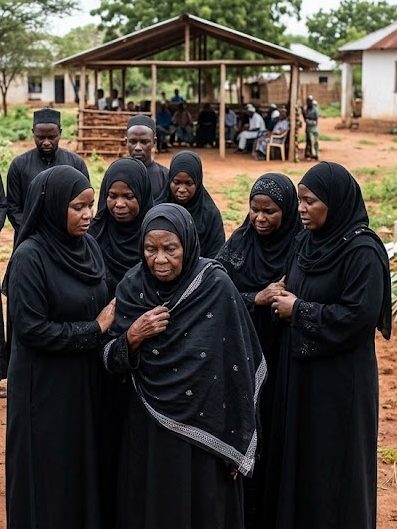
However, mourning does not always require people to follow a strict colour code.
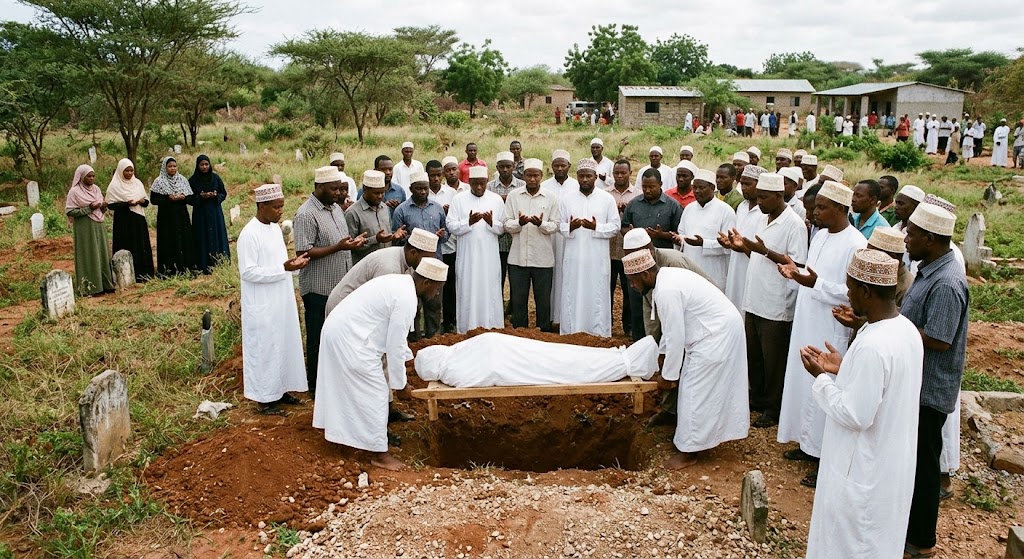
In Islam, for example, there is no rule requiring mourners to wear black. Greater emphasis is placed on modesty and appropriate conduct. This means Muslim mourners can wear different colours while still observing the dignity expected during a funeral.
White and other colours in mourning
White is particularly interesting because it carries meanings associated with death and mourning in several cultures.
In Islamic tradition, white also has an important connection with burial. Islamic guidance encourages the use of white clothing and white shrouds, making the colour significant within Muslim practices.
In parts of East Asia, including traditional Chinese and Japanese customs, white has historically been associated with mourning and death. The colour can represent purity, simplicity and the transition from life.
Elsewhere, mourning colours can include red, purple or other shades depending on cultural traditions and the circumstances surrounding the death.
Even today, families sometimes choose colours that had a special meaning to the deceased. A funeral may therefore feature a particular colour as a tribute to someone’s personality, favourite outfit or cherished memories.
Ultimately, mourning fashion is not simply about choosing the darkest colour available. Clothing can communicate culture, faith, respect and personal grief.
Black may be one of the world’s most recognisable mourning colours, but grief has never belonged to one colour alone.