Advertisement
Fight Procrastination Day: How to beat postponement for good according to psychology
06th September, 2026 09:19 PM

September 6, 2026 marks Fight Procrastination Day, an annual reminder to look closely at why so many people delay essential tasks.
Putting things off until tomorrow remains a universal struggle. You promise to draft a work document, clear your inbox, or schedule a routine medical checkup, but end up tidying your desk or scrolling on your phone instead.
Most people assume that procrastination comes from laziness or bad time management.
However, psychological research shows that it is actually your brain’s strategy for managing uncomfortable feelings. It has little to do with how well you schedule your day.
Understanding the emotional trigger
When a task feels overwhelming, tedious, or intimidating, your brain treats it as an emotional threat. Pushing the task aside provides immediate relief, which tricks your brain into believing that avoidance is a helpful solution.
However, that temporary comfort creates a destructive cycle of guilt, increased stress, and delayed self-care.
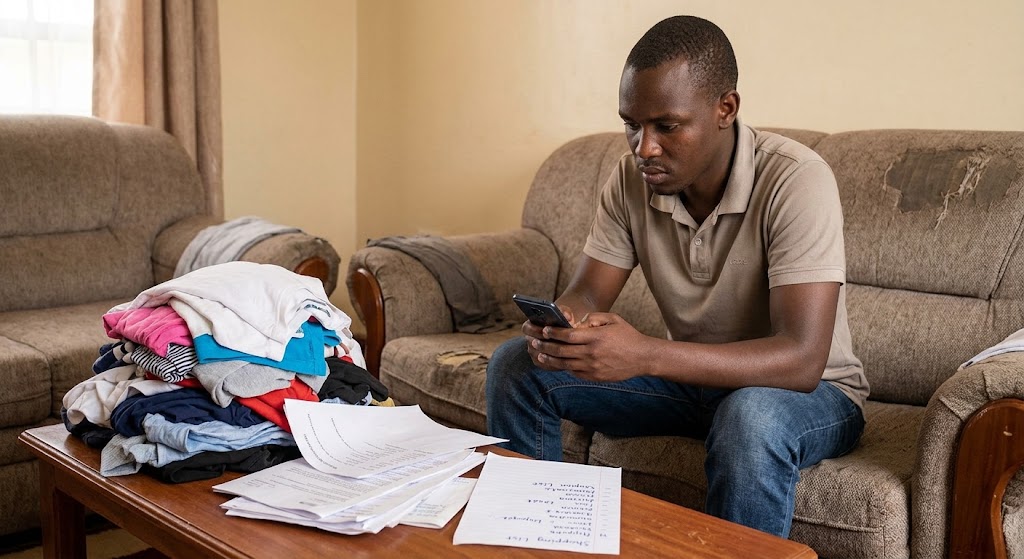
In a peer-reviewed study published in PMC, health psychologist Dr Fuschia Sirois explains that “a temporal mood-regulation perspective on why people procrastinate proposes that the experience of negative emotional states and difficulty in regulating them underly procrastination behaviour.”
Put simply, putting things off is not a character flaw. Rather, it is an unhealthy coping strategy used to escape short-term negative feelings.
Ways to break the cycle
Overcoming this habit requires changing how you handle unpleasant feelings before starting a task. Pushing yourself to just work harder often fails because it ignores the underlying stress that triggered the avoidance in the first place.
First, practise self-compassion. Research indicates that criticising yourself for past delays generates additional guilt, which makes you even more likely to avoid the task again.
Recognising that feeling anxious or unsure about a project is a normal response helps lower the emotional barrier to getting started.

Second, focus on micro-steps. Rather than focusing on completing an entire assignment, ask yourself what the single next physical step is.
Opening a blank document or writing one line requires minimal emotional effort. Once you take that initial step, the brain reduces its threat response, making it far easier to build momentum and keep moving forward.
Finally, alter your immediate environment to remove quick distractions. If social media offers an instant escape from a difficult task, placing your phone in another room removes the easy temptation.
Managing your emotional state rather than relying purely on willpower allows you to break the cycle of delay for good.