Advertisement
Simple habits that help you stop procrastinating
04th May, 2026 08:17 AM

Procrastination has a quiet way of creeping into everyday life. It starts with ‘I’ll do it later’ and slowly turns into missed deadlines, rushed work, and unnecessary stress.
Whether it’s putting off assignments, delaying a work task, or avoiding a personal responsibility, the habit can feel hard to shake. But the good news is that stopping procrastination just requires a few intentional changes.
Feeling overwhelmed
One of the main reasons people procrastinate is feeling overwhelmed. When a task seems too big or too complicated, the brain naturally seeks an escape. Breaking tasks into smaller, manageable steps can make a big difference.
Instead of saying, “I need to finish this entire project,” start with something simple like outlining the first section. Small wins build momentum, and before you know it, progress feels natural.
Another helpful approach is setting clear and realistic deadlines. Open-ended tasks often encourage delay because there’s no sense of urgency. Giving yourself a specific time frame creates structure. For example, deciding to work on a task for 30 minutes can feel less intimidating than committing to hours of effort. Often, getting started is the hardest part.
Distractions also play a big role in procrastination. Social media, constant notifications, and even background noise can easily pull attention away from what needs to be done. Creating a focused environment helps reduce these interruptions.
This could mean putting your phone on silent, finding a quiet place, or using apps that limit screen time while working.
Emotional side of procrastination
It’s also important to understand the emotional side of procrastination. Sometimes, people delay tasks because they fear failure or feel they won’t meet expectations. This mindset can lead to avoidance.
Instead of aiming for perfection, focus on progress. Doing something imperfectly is often better than not doing it at all. Over time, this shift in thinking can reduce the pressure that leads to procrastination.
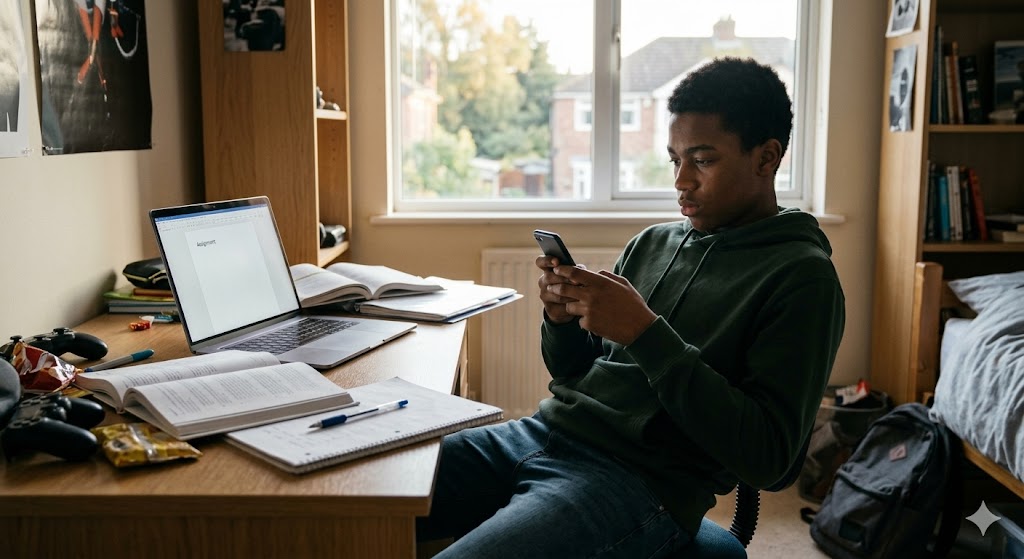
Building a routine can also help. When tasks become part of a daily habit, there’s less room for delay. For instance, setting aside a specific time each day for studying, working, or even planning can create consistency. Routines reduce the need to constantly decide when to start, making it easier to stay on track.
Rewarding yourself is another simple but effective strategy. After completing a task, giving yourself something to look forward to, like a short break, a snack, or time to relax, can make the process feel more enjoyable. It reinforces the idea that effort leads to something positive.
Finally, being kind to yourself matters. Everyone procrastinates at some point, and beating yourself up over it often makes things worse. Recognizing the habit and taking small steps to change it is already progress. What matters most is consistency, not perfection.