Advertisement
Life after C-Section: Essential safety tips every new mother should know
15th May, 2026 01:17 PM

As every mother-to-be knows, childbirth can be stressful, but a Caesarean delivery is unquestionably an extremely stressful procedure. Childbirth is stressful, and a Caesarean section is no exception.
A Caesarean section, or C-section, is one of the most widely used surgical procedures in the world, which helps save the lives of mothers and babies when the delivery is complicated. Post-surgery recovery, however, is a process that takes time, attention, and care, both physical and emotional.
Although many mothers are solely concerned with their newborns, experts say that neglecting the recovery process after the surgery can result in infections, slow healing, or even major complications.
C-section birth rates
The World Health Organisation estimates that around 21 per cent of births worldwide are conducted in a surgical manner (C-section), and the rate is growing in many countries. According to a report released by the organisation, good postnatal care can play a major role in reducing the risk of complications for the mother and improving recovery outcomes.
“Caesarean section use continues to rise globally, now accounting for more than 1 in 5 (21%) of all childbirths. This number is set to continue increasing over the coming decade, with nearly a third (29%) of all births likely to take place by caesarean section by 2030, the research finds,” the WHO report reads.
Following a C-section, moms need to rest until they are feeling better. The wound in the abdomen is a large incision; it should be kept clean and dry at all times so it doesn’t become infected. Doctors advise that the area be gently cleaned with clean water and mild soap but not with heavy creams or applications of herbs unless approved by a healthcare professional.

Even though a lot of women have pain and discomfort for the first few days after their surgery, they still need to move. For several weeks, however, heavy lifting, strenuous exercise, and housework should be avoided.
Observing nutrition
In addition, nutrition is a critical part of healing. The proper diet is rich in protein, iron, fruits, vegetables, and adequate fluids, which enable the body to heal tissues more quickly and restore lost energy. This can be especially crucial for mothers who are breastfeeding and need more nutrients during recovery.
Other health professionals also remind moms to watch for signs that could signal problems. Fever, severe abdominal pain, excessive bleeding, swelling around the wound, foul-smelling discharge, chest pain, or difficulty in breathing are indications that a person needs urgent medical help.
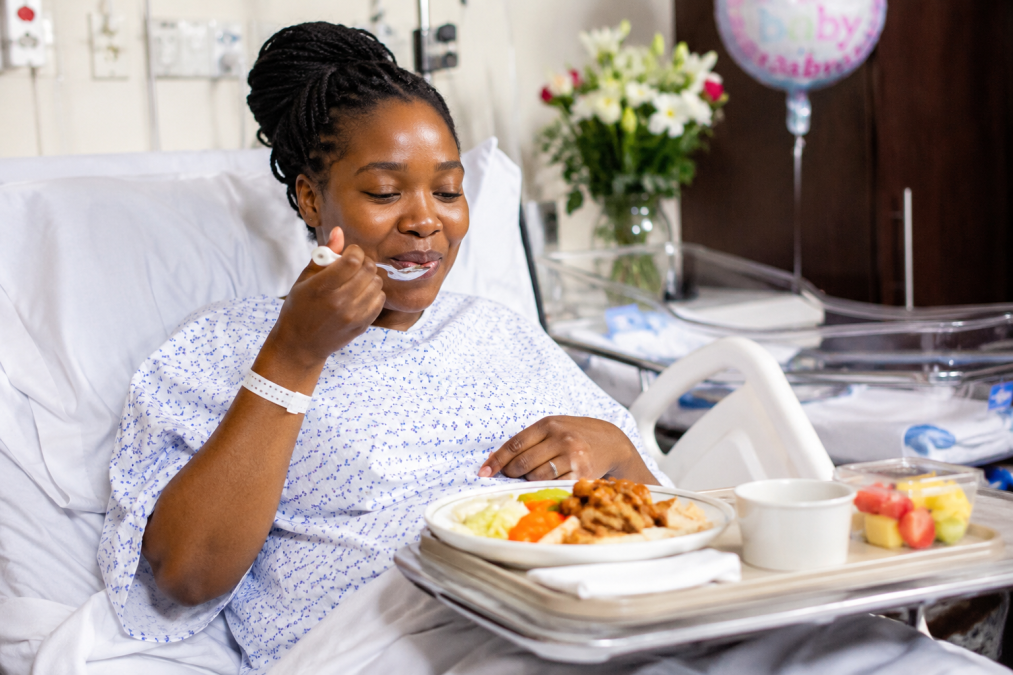
Emotional healing is just as important as physical healing
Post-childbirth and post-surgery women often suffer from anxiety, fatigue, and emotional dismay. A recent study in the National Institutes of Health indicates that women who have a C-section may be at greater risk of postpartum depression than those who give birth vaginally, especially if there is poor recovery support.
Physicians recommend that any new mother seek the assistance of family members, attend all postnatal appointments at the clinic, and talk to health care professionals if she is feeling overwhelmed. The recovery period after a C-section can last for weeks and should be followed by proper care and medical support to ensure that most mothers can heal perfectly and return to normal life safely.