Advertisement
Health benefits of turmeric
14th July, 2026 01:36 AM

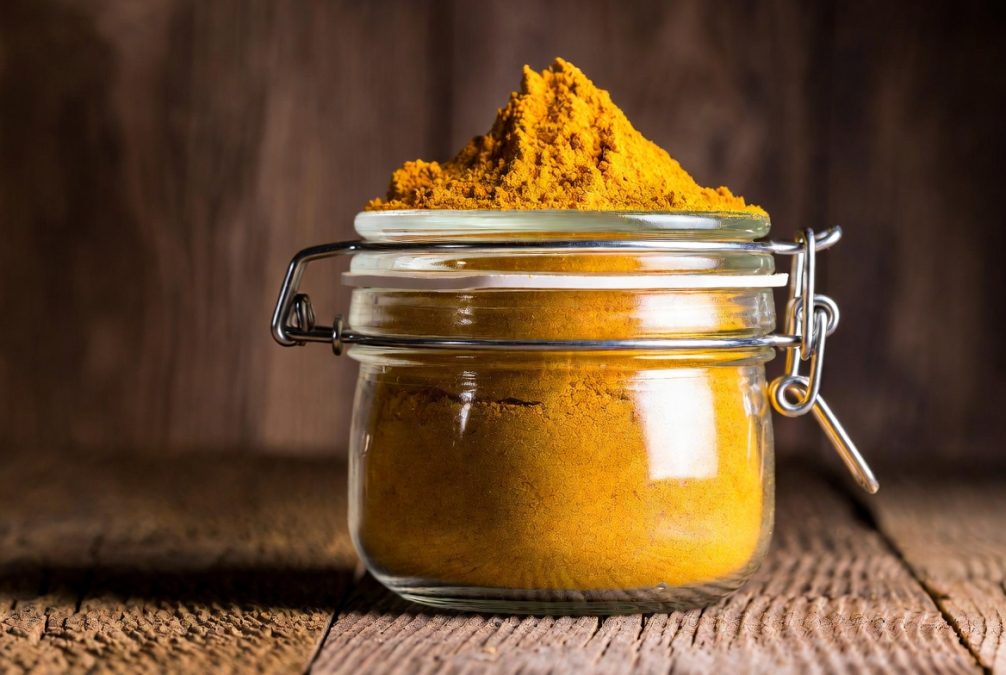
Turmeric is a bright yellow spice that has been used in cooking and traditional medicine for many years.
It is commonly added to curries, soups, rice dishes and drinks. The spice contains a natural compound called curcumin, which is known for its antioxidant and anti-inflammatory properties.
While turmeric is not a cure for diseases, adding it to a balanced diet may offer several health benefits. Here are five reasons why turmeric is considered a healthy addition to your meals.
1. May help reduce inflammation
Inflammation is the body’s natural response to injury or infection. However, long-term inflammation has been linked to several health conditions.

Curcumin, the main active compound in turmeric, has anti-inflammatory properties that may help reduce inflammation in the body. Including turmeric as part of a healthy diet may support overall wellness, although it should not replace medical treatment for inflammatory conditions.
2. Rich in antioxidants
Turmeric contains antioxidants that help protect the body’s cells from damage caused by harmful molecules known as free radicals. Over time, free radical damage can contribute to ageing and certain diseases.
Eating foods rich in antioxidants, including turmeric, may help support the body’s natural defence system. A diet that includes a variety of fruits, vegetables, spices and whole grains provides the best source of antioxidants.
3. May support joint health
Some people use turmeric to help manage joint discomfort because of its anti-inflammatory effects. It may help reduce stiffness and improve comfort, especially when combined with other healthy lifestyle habits.
Although turmeric may provide support, people with ongoing joint pain should seek medical advice to identify the cause and receive the right treatment.
4. May support heart health
A healthy heart depends on several factors, including regular exercise, a balanced diet and maintaining a healthy weight. Turmeric may contribute to heart health by helping the body manage inflammation and oxidative stress.
Adding turmeric to meals can be one small part of an overall heart-healthy lifestyle. It works best alongside healthy eating habits rather than as a single solution.
5. May support brain health
Researchers continue to study the possible role of curcumin in supporting brain health. Its antioxidant and anti-inflammatory properties may help protect brain cells from damage over time.
Although more research is still needed, including turmeric in your diet can be a simple way to add more plant-based nutrients to your meals.
Turmeric is easy to include in everyday cooking. It can be added to vegetables, rice, soups, stews, eggs and smoothies. Some people also enjoy turmeric tea or golden milk made with milk and spices.
To improve the absorption of curcumin, turmeric is often paired with black pepper, which contains a natural compound called piperine. Eating turmeric with healthy fats, such as olive oil or avocado, may also help the body absorb it more effectively.
As with any food or supplement, moderation is important. If you have a medical condition, are pregnant, or take prescription medication, speak with a healthcare professional before taking large amounts of turmeric or turmeric supplements.