Advertisement
Healthy meal, nutritious meal or balanced diet: Understanding the difference
14th June, 2026 11:32 PM
With growing awareness about healthy living, terms such as healthy meal, nutritious meal and balanced diet are increasingly becoming part of everyday conversations. While many people use the terms interchangeably, nutrition experts say they have distinct meanings that can help individuals make better food choices.
Understanding the difference can be the first step toward achieving better health, preventing disease and maintaining overall wellbeing.
Healthy meal
A healthy meal focuses on promoting overall health and reducing the risk of lifestyle-related diseases such as obesity, diabetes and heart disease.
Such meals are typically prepared using natural or minimally processed ingredients and contain low amounts of sugar, salt and unhealthy fats.
Examples of healthy meals include grilled chicken served with vegetables, fish accompanied by fresh salad, or a bowl of mixed fruits.
The primary goal of a healthy meal is to support long-term wellbeing while helping the body function optimally.
Nutritious meal
A nutritious meal is one that supplies the body with essential nutrients needed for growth, repair and normal functioning.
These nutrients include carbohydrates, proteins, fats, vitamins, minerals, fibre and water.
A meal can be considered nutritious if it provides a high concentration of beneficial nutrients relative to its calorie content.
Examples include a bowl of beans and avocado, a fruit smoothie made with natural ingredients, or whole-grain foods paired with protein-rich options.
The focus of a nutritious meal is nutrient density and ensuring the body receives the building blocks it needs to stay healthy.
Balanced diet
A balanced diet meal combines all major food groups in the right proportions to meet the body’s nutritional needs.
Nutritionists often recommend dividing a plate into sections, with half consisting of fruits and vegetables, a quarter containing whole grains or other carbohydrates, and the remaining quarter comprising protein-rich foods.
Healthy fats and adequate water intake also form part of a balanced diet.
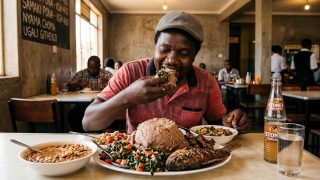
A classic example is a meal consisting of ugali or brown rice, sukuma wiki, fish or beans, and a serving of fruit.
Unlike meals that focus on only one aspect of nutrition, a balanced diet aims to provide complete nourishment by combining both food quality and quantity.
Key differences
While a healthy meal focuses on reducing harmful ingredients and promoting overall wellness, a nutritious meal concentrates on supplying essential nutrients. A balanced diet meal goes a step further by ensuring all major nutrients and food groups are consumed in the correct proportions.
In simple terms:
- A healthy meal prioritises overall wellbeing.
- A nutritious meal prioritises nutrient content.
- A balanced diet ensures nutritional completeness.
Can one meal be healthy, nutritious and balanced?
Experts say the ideal meal is all three.
For example, a plate containing grilled fish, brown rice, mixed vegetables, avocado and fresh fruit can be considered healthy, nutritious and balanced because it provides quality nutrients in appropriate portions while supporting long-term health.
Choosing healthier foods does not necessarily mean following complicated diets. Understanding the difference between healthy meals, nutritious meals and balanced diets can help individuals make informed decisions about what they eat every day.
Ultimately, the goal is not just to eat more, but to eat smarter by selecting foods that nourish the body, provide essential nutrients and maintain the right nutritional balance for a healthier life.
Author
Francis Muli
Francis Muli is an editor and passionate digital journalist with extensive experience in crafting compelling stories across various platforms. His major focus is in business, politics and current affairs. He has a keen eye for detail and a commitment to uncovering the truth. He has contributed to leading publications across the country. When not chasing stories, you can find Muli exploring new technologies, attending local events, or reading fiction. Connect with Francis Muli on X @FMuliKE and Facebook (Francis Muli) to follow his latest stories and insights.
View all posts by Francis Muli