Advertisement
Why cooking with bone-in meat changes the flavour of a dish
31st July, 2026 09:43 AM
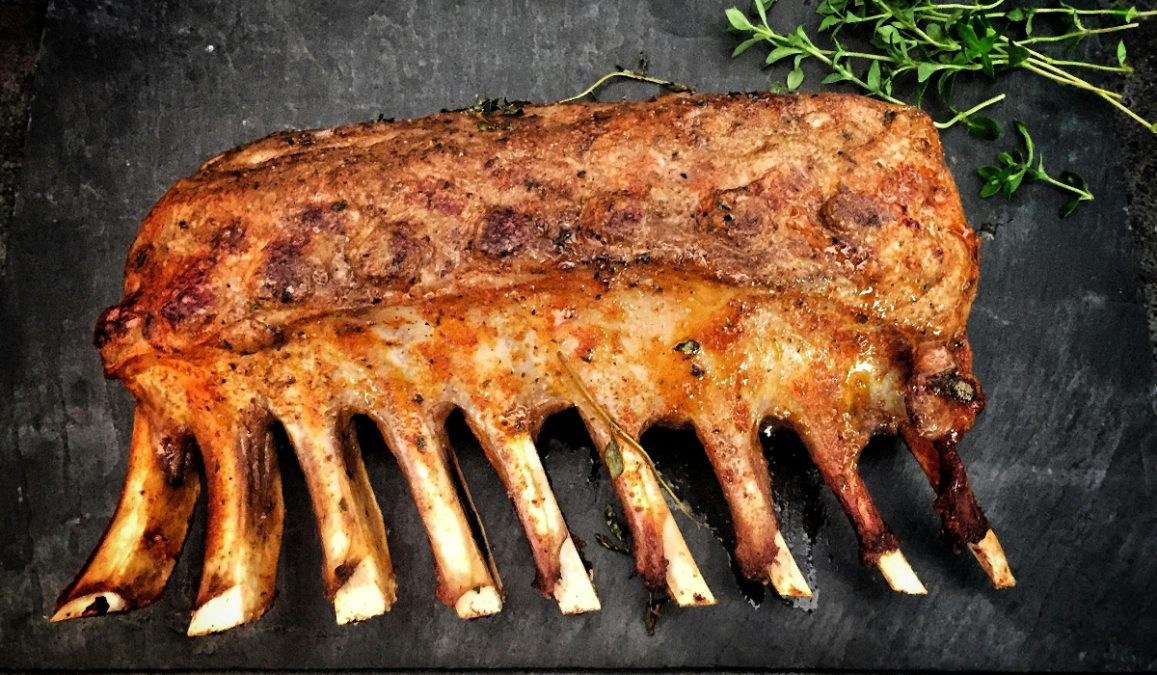
A good meal is often remembered for its flavour, and one ingredient that quietly makes a big difference is bone-in meat.
Whether it is a slow-cooked beef stew, chicken soup, or roasted lamb, many home cooks and chefs continue to choose meat with the bone still attached. While boneless cuts are easier to prepare and serve, cooking with the bone can add a depth of flavour that is difficult to achieve otherwise.
The difference is not just tradition. It comes down to what happens inside the pot or oven as the meat cooks over time.
Bones release natural flavour during cooking
When bone-in meat is cooked slowly, the bones and surrounding connective tissues begin to release compounds that enrich the cooking liquid. These include collagen, which gradually breaks down into gelatine. Gelatine gives soups, stews and sauces a fuller body and a silky texture that coats the mouth pleasantly.
According to the United States Department of Agriculture (USDA), collagen-rich cuts become more tender with slow cooking, improving both texture and overall eating quality. This is one reason dishes such as beef stew, chicken broth and slow-cooked goat meat develop a satisfying richness after several hours on the stove.
The marrow inside certain bones can also contribute subtle savoury notes, adding another layer of flavour without the need for extra seasoning.
Meat stays juicier for longer
Bone-in cuts often cook differently from boneless meat because the bone acts as a natural insulator. Heat moves more slowly around the bone, helping the surrounding meat retain moisture during cooking.
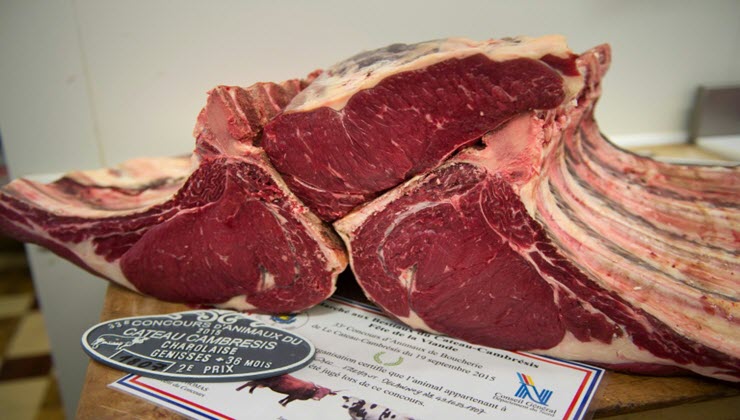
According to Test Kitchen, this slower cooking process can help prevent parts of the meat from drying out too quickly, especially when roasting or braising. The result is meat that remains tender while still developing a rich, browned exterior.
This is one reason many people prefer bone-in chicken for roasting or bone-in beef for slow-cooked recipes.
Better stock with less waste
One of the biggest advantages of bone-in meat is what remains after the meal. Instead of throwing the bones away, they can be simmered with vegetables and herbs to create homemade stock.
Bones contain collagen and minerals that help create a well-rounded stock, forming the base for soups, sauces and rice dishes. Homemade stock often has a richer taste than plain water and can reduce the need for heavily processed flavour enhancers.
Using every part of the meat also helps minimise food waste in the kitchen.
Does bone make the meat taste better?
Many people believe the flavour comes directly from the bone itself. In reality, much of the improved taste comes from the tissues attached to the bone, including collagen, fat and marrow, which gradually blend into the cooking liquid.
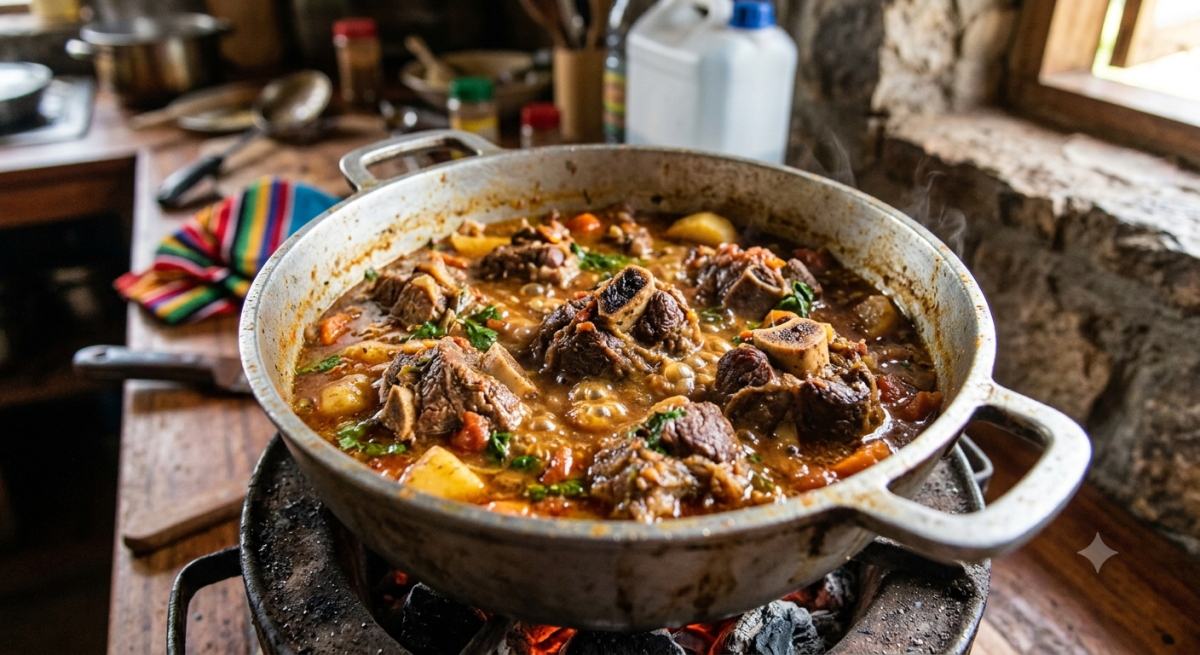
Fast-cooked meals may not show a dramatic difference because there is not enough time for these compounds to develop. However, in recipes that simmer or roast for longer, the extra flavour becomes much more noticeable.
That is why dishes such as oxtail stew, bone-in chicken soup and slow-cooked lamb continue to be favourites in many households.
Choosing the right cut
Bone-in meat works best for recipes that allow enough cooking time for flavour to develop. Stews, curries, soups, braised dishes and oven roasts are ideal choices. If speed and convenience are more important, boneless cuts still have their place, especially for stir-fries and quick grilling.
The choice ultimately depends on the type of meal being prepared. For cooks looking to create a richer, heartier dish with natural depth, leaving the bone in can make all the difference.